
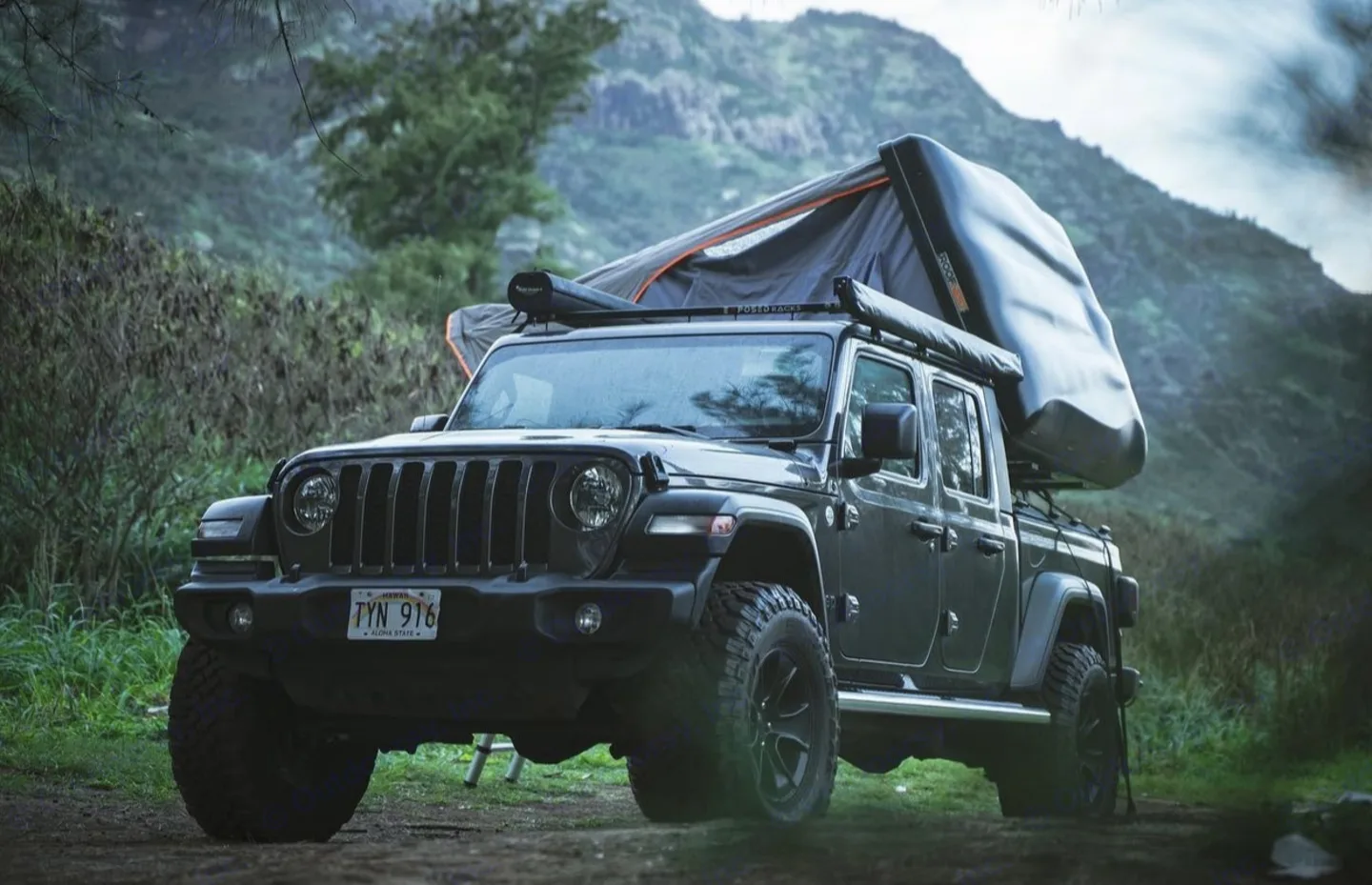
Introduction
You already have your campervan booked, your bags packed, and Oahu’s blue waters waiting for you. Now the question is, where should you go, and in what order, to make the most of your five days?
This is not just a list of places. It is your campervan-friendly, permit-ready guide to experiencing the real Oahu. I will take you from Waikiki’s famous beach to quiet campgrounds by the sea. Get ready and take notes from this 5-day Oahu camping itinerary.
Before You Go: Permits, Rules, and What Campervan Travelers Must Know
Camping on Oahu is managed by two main offices: Hawaii State Parks and the City and County of Honolulu. Each one has different booking times, rules, and closures.
Hawaii State Parks:
- Book 30 days before your trip through the Hawaii Division of State Parks Reservations.
- Most parks close for camping on Wednesday and Thursday nights.
City and County of Honolulu Campgrounds:
- Book 14 days before your trip at 5:00 p.m. HST through Honolulu Camping Permits.
- These campgrounds close from Wednesday afternoon to Friday morning.
Important: Even if you have a campervan, bring a tent. Most public campgrounds only allow tents. You can park your campervan overnight only at a few private campgrounds. Please always check campgrounds official website page to get updated information and updates.
Pro Tip: Book your Oahu campervan early and use code the current discount code (see lemondropcampers.com/outdoorsy-discount) on our Outdoorsy link to save 10% off at checkout.
Five (5) Day Oahu Camping Itinerary
Day 1: Arrival, Diamond Head, Waikiki, and the East Coast Drive
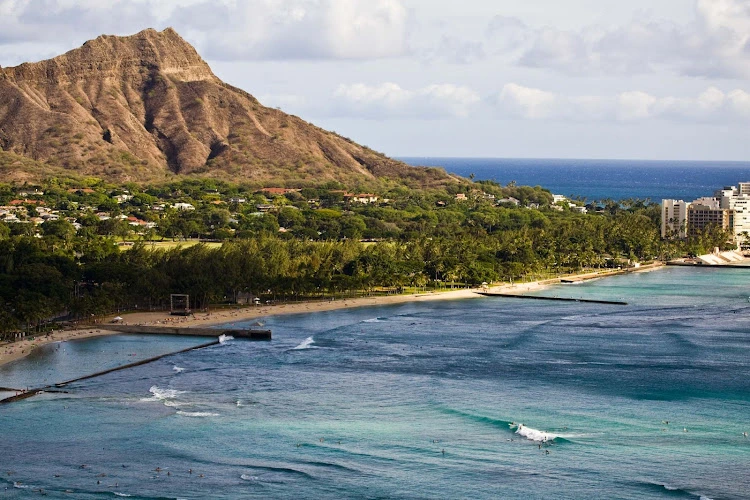
When I land in Honolulu, the air feels different right away. It’s warm, heavy with salt, and smells faintly of flowers. I pick up my campervan I rent at Outdoorsy and as soon as I slide into the driver’s seat, I already feel like I’m on island time. Rolled the windows down, let the wind in, and head toward my first stop Diamond Head.
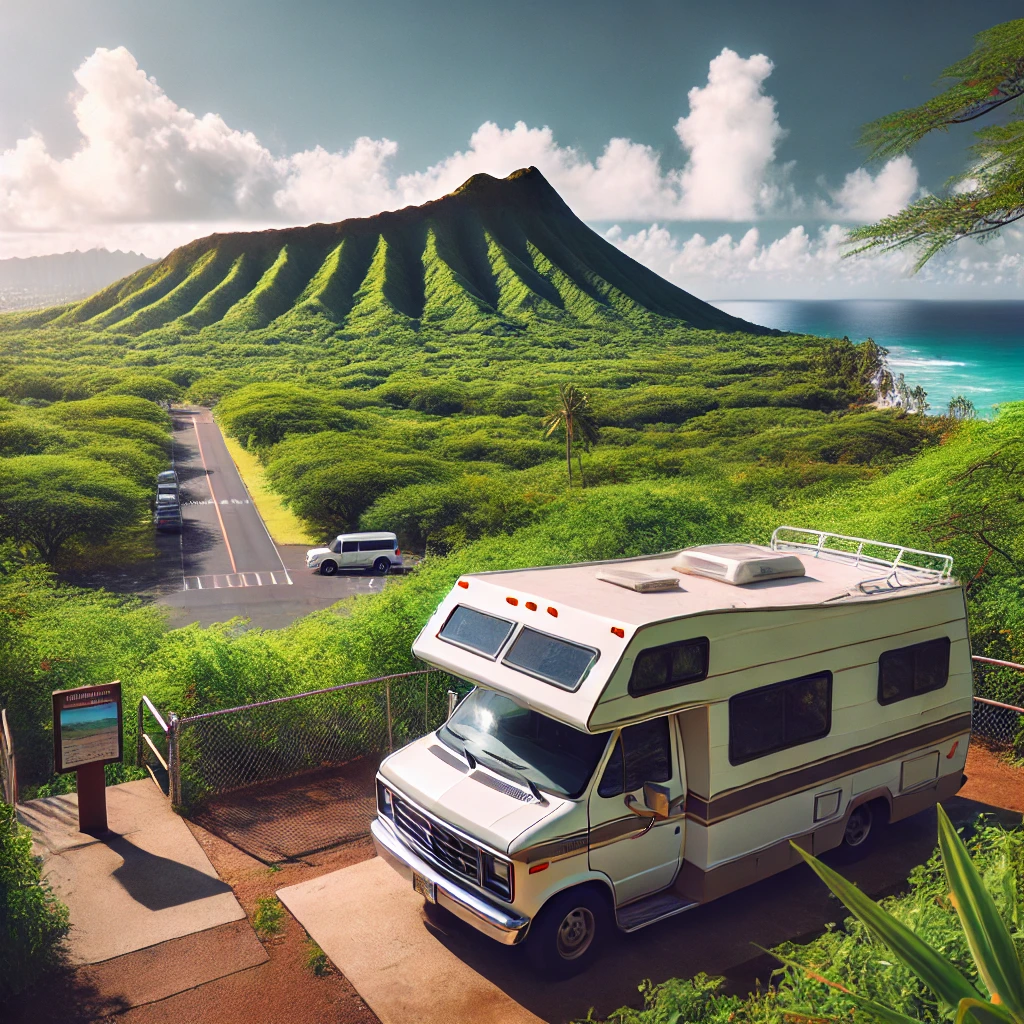
I like starting my trip here because it’s one of those places that reminds you you’re in Hawaii. The drive from the airport takes about twenty minutes if traffic is light, and the closer I get, the more the volcano’s outline fills the skyline. I park, grab my water bottle, and start the short but steep hike. The trail winds through tunnels and up narrow stairs carved into the rock. It’s only about half a mile, but it gets your heart pumping fast. When I reach the top, I always stop for a moment before taking photos. The ocean below looks unreal, deep turquoise framed by the city’s edge and palm trees that look like tiny toothpicks from this height.
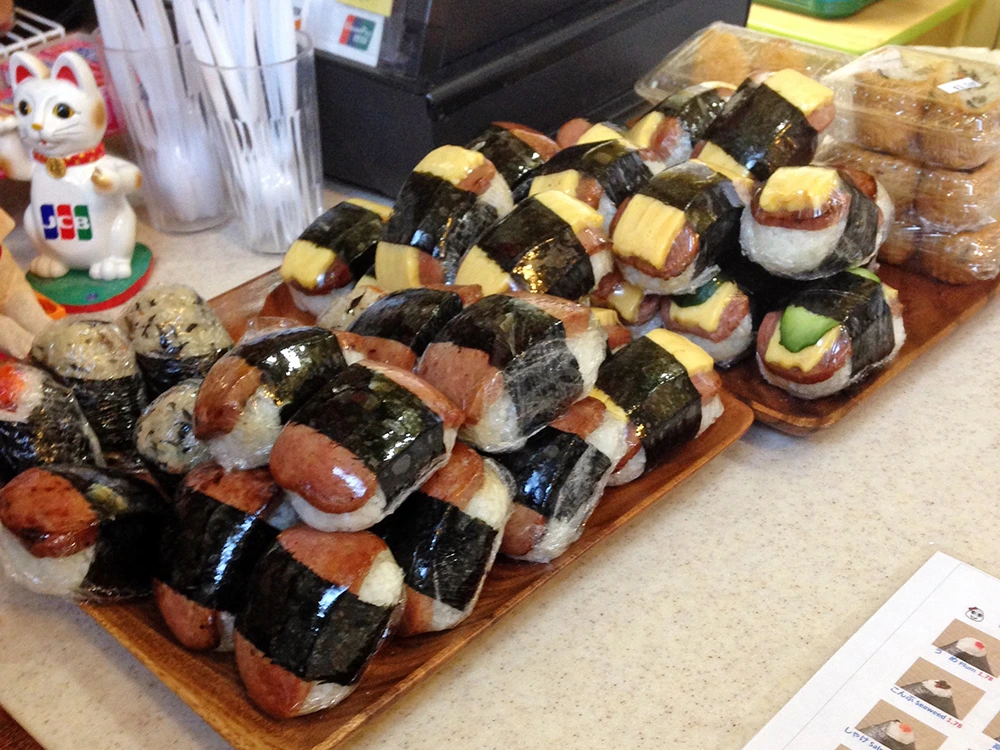
Once I climb down, I’m ready for breakfast. There’s something comforting about finding small local spots, so I head to Musubi Café Iyasume near Waikiki and order a couple of spam musubi — warm rice, salty-sweet Spam, and a seaweed wrap that’s perfect after a hike. If I’m craving something sweet, I stop at Leonard’s Bakery for their famous malasadas. I always get the custard-filled one, still hot and covered in sugar. It’s simple food, but it hits differently when you’re tired, sweaty, and full of adrenaline from the climb.
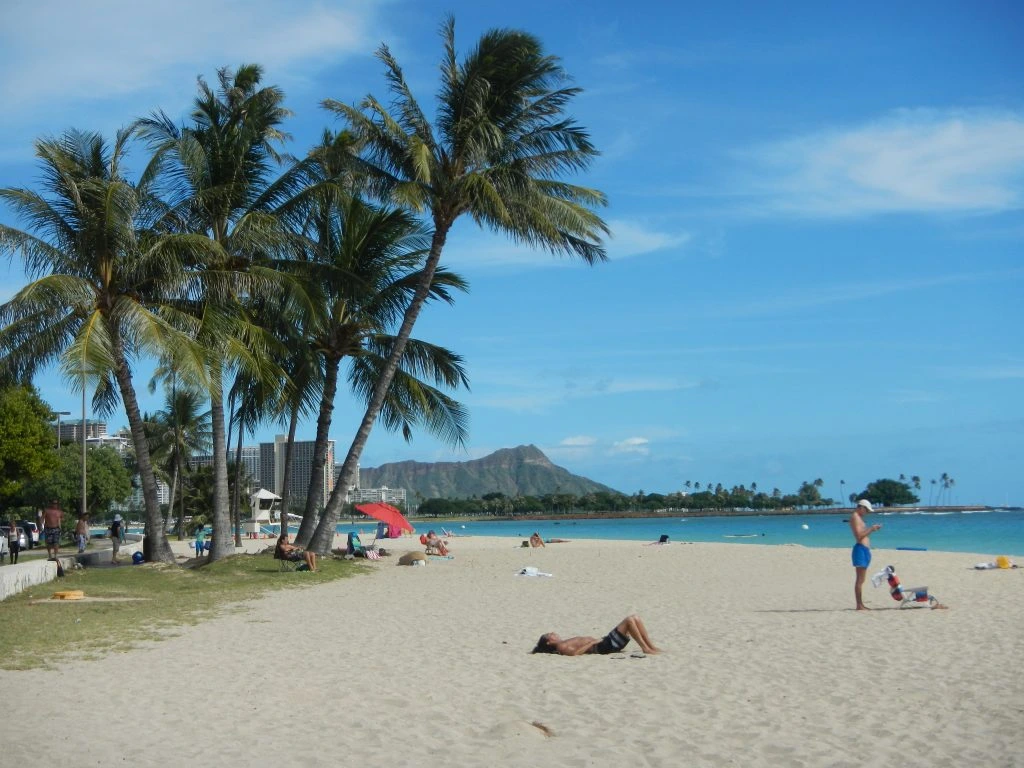
Before leaving the city, I like stopping by Ala Moana Beach Park. It’s calm, less crowded than Waikiki, and perfect for a quick dip or a slow stroll by the shore. I stretch my legs, refill my water jugs, and check my camping permit just to be sure everything’s in order. If you’re running low on supplies, the area has supermarkets and small local stores where you can grab ice, propane, or groceries for your first night at camp.
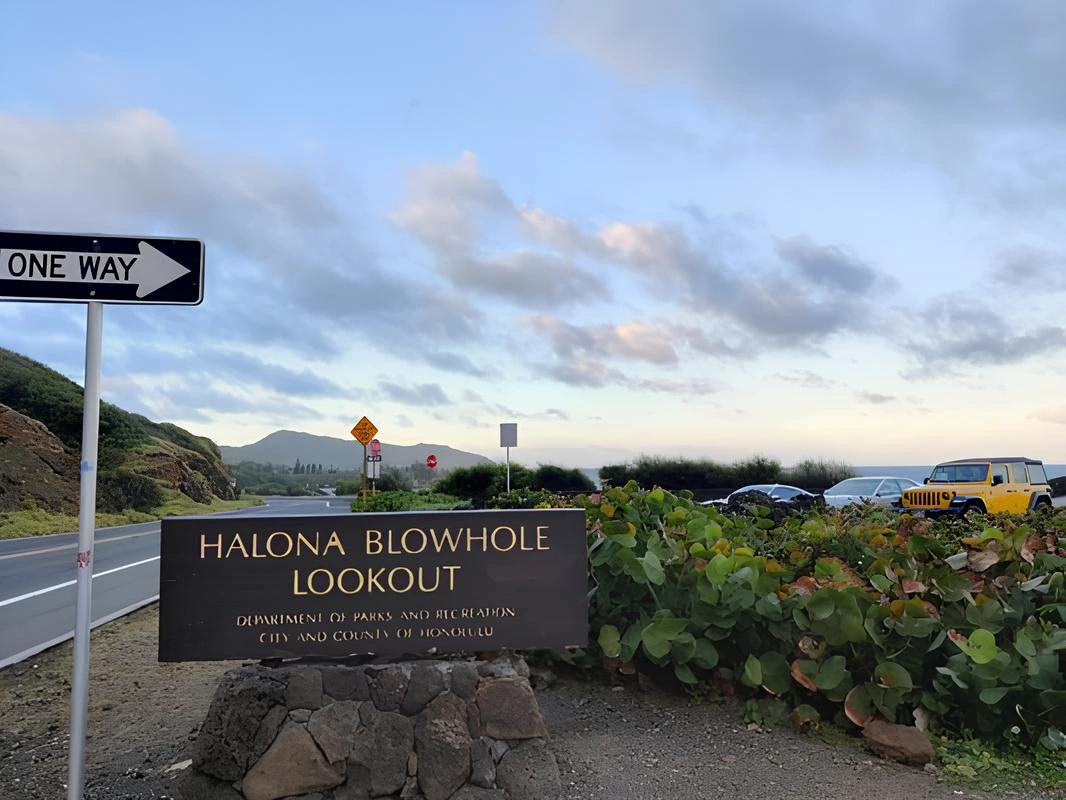
Once the van is stocked and ready, I take Kalanianaʻole Highway east. This drive is one of my favorites in all of Oahu. The road hugs the cliffs with the ocean on one side and rugged green hills on the other. I always make a quick stop at the Halona Blowhole Lookout, where the ocean surges through a lava tube and shoots up like a geyser. A few minutes down the road, I pull over again near Makapuʻu Point for another view that’s hard to forget — open ocean, a white lighthouse perched on the cliffs, and sea spray carried by the wind. Sometimes I just sit on a rock, let the breeze hit my face, and remind myself how far from home I am.

By the time the light starts to fade, I reach Mālaekahana State Recreation Area, my home for the night. The park sits just north of Laie, tucked behind ironwood trees with the sound of waves nearby. The campsites are simple grassy patches with a picnic table and access to outdoor showers but that’s part of the charm. I check in at the kiosk, show my printed permit, and start setting up before it gets dark. If you’re in a van, park near the tree line for wind protection. If you’re tent camping, make sure your stakes are deep; the sand can be soft.
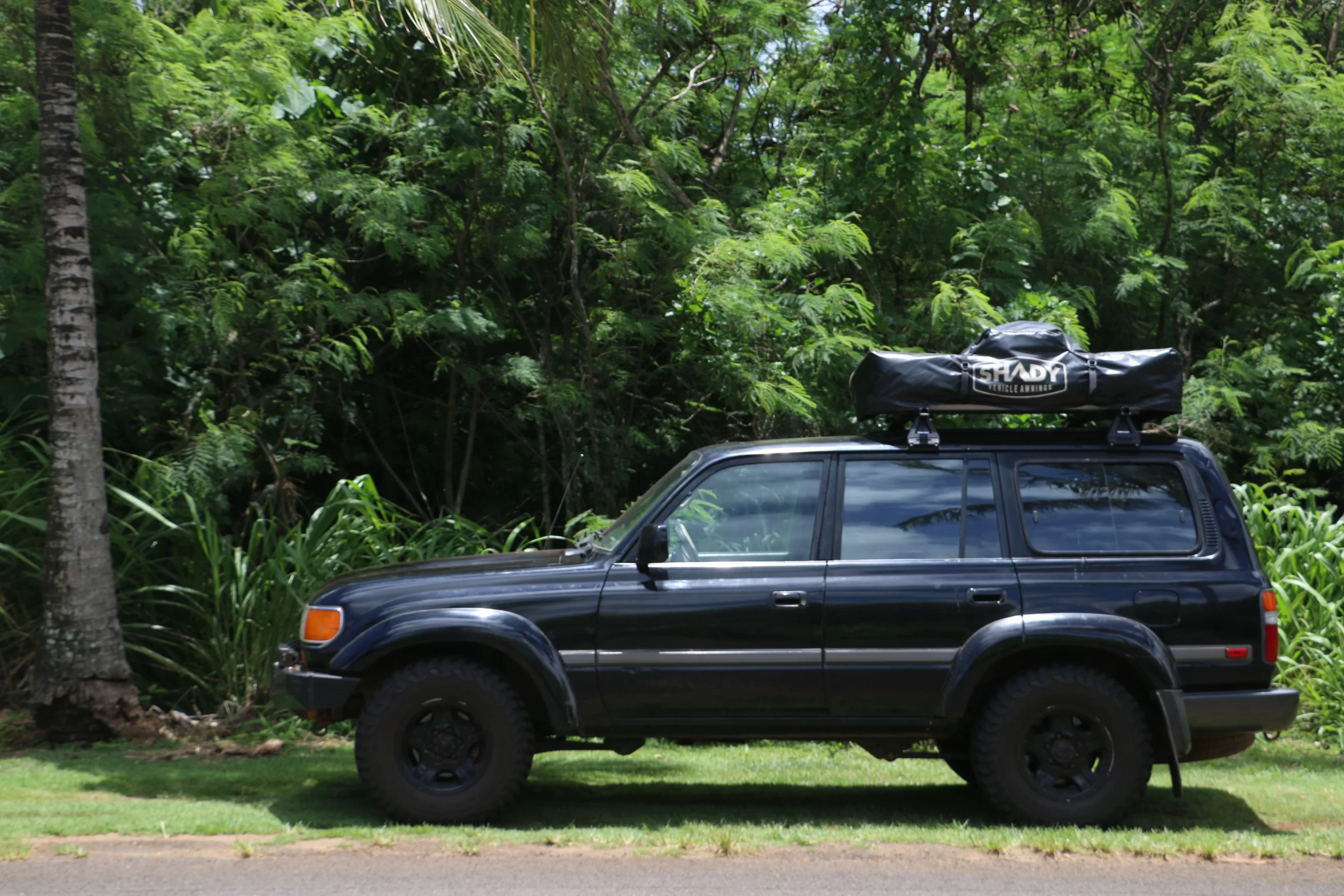
Dinner is usually easy on the first night. I cook marinated chicken on my small stove, boil some rice, and throw together a quick salad. As I eat, the air cools and the sky turns orange, then pink, then deep blue. I hear waves breaking in the distance and the faint chatter of other campers settling in. After cleaning up, I walk toward the beach with my flashlight off. The stars over Mālaekahana look brighter than anywhere else on the island. Lying back in the sand, I think about how the whole island is waiting for me tomorrow.
When I finally crawl into my sleeping bag, I feel tired in the best way. My hands smell faintly of sea salt and grilled chicken, the van hums quietly beside me, and I fall asleep listening to the ocean.
Camping Tonight:
- Mālaekahana State Recreation Area. Tent-only, open Friday to Wednesday, with permits.
Day 2: Exploring the North Shore, Coffee Stops, Shrimp Trucks, and Beach Camping
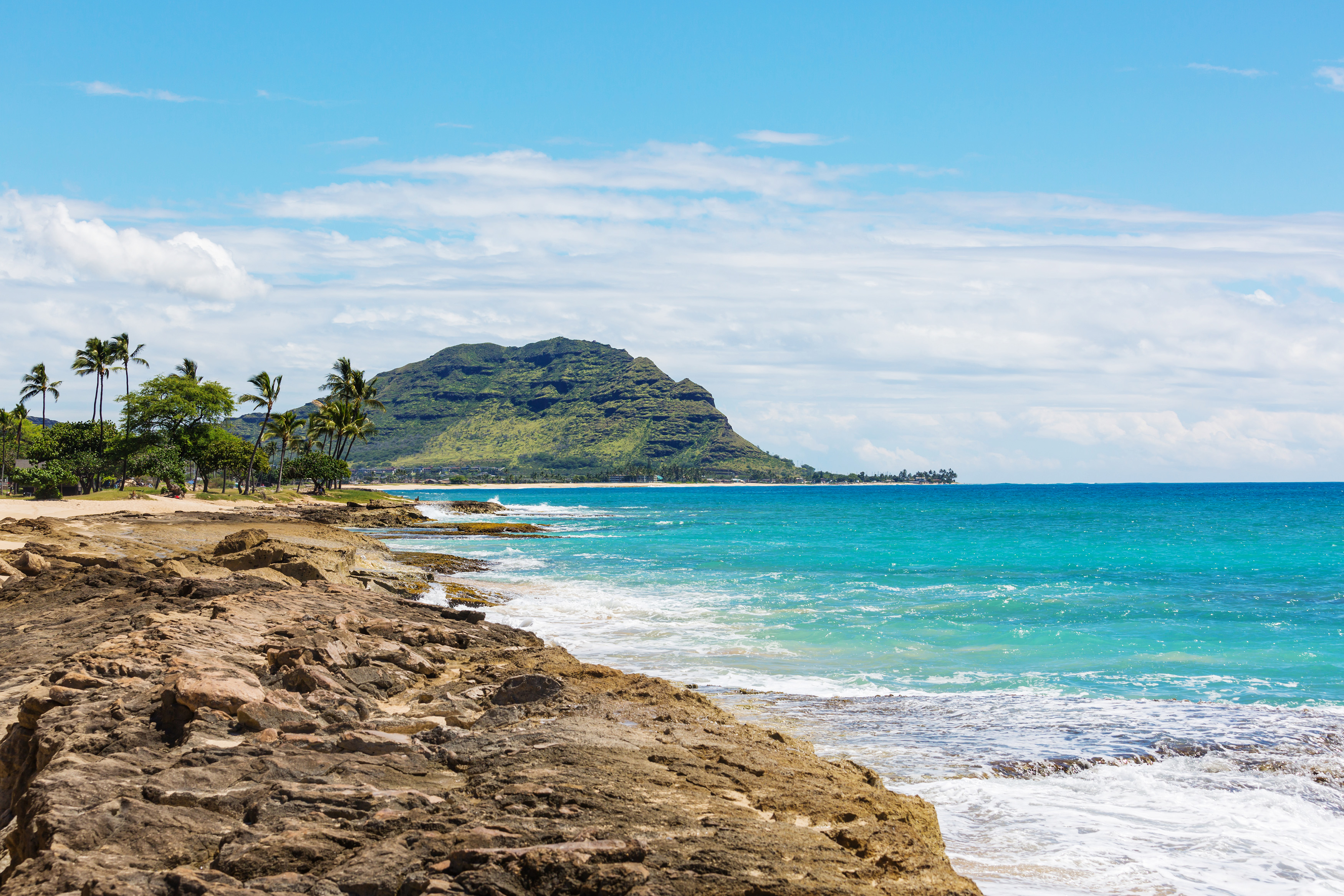
The sound of waves wakes me before sunrise. The air at Mālaekahana feels crisp and damp, and I can smell the ocean mixed with the piney scent of the ironwood trees. I unzip the van door and step out barefoot into the cool sand. The beach is quiet, except for a few early risers walking their dogs and a group of locals fishing near the shore. The first light turns the sky soft pink and orange. I make a cup of instant coffee on my small burner, sit by the van door, and watch the light spread across the water. Moments like this remind me why I love camping in Oahu — the island slows you down without even trying.
After packing up, I drive north toward Haleʻiwa, a small town that feels like a snapshot of old Hawaii. The road winds past open fields and small fruit stands selling coconuts and papayas. The closer I get, the more I notice the surfboards tied to cars and bikes leaning outside colorful wooden shops. Haleʻiwa has a relaxed charm that always pulls me in.
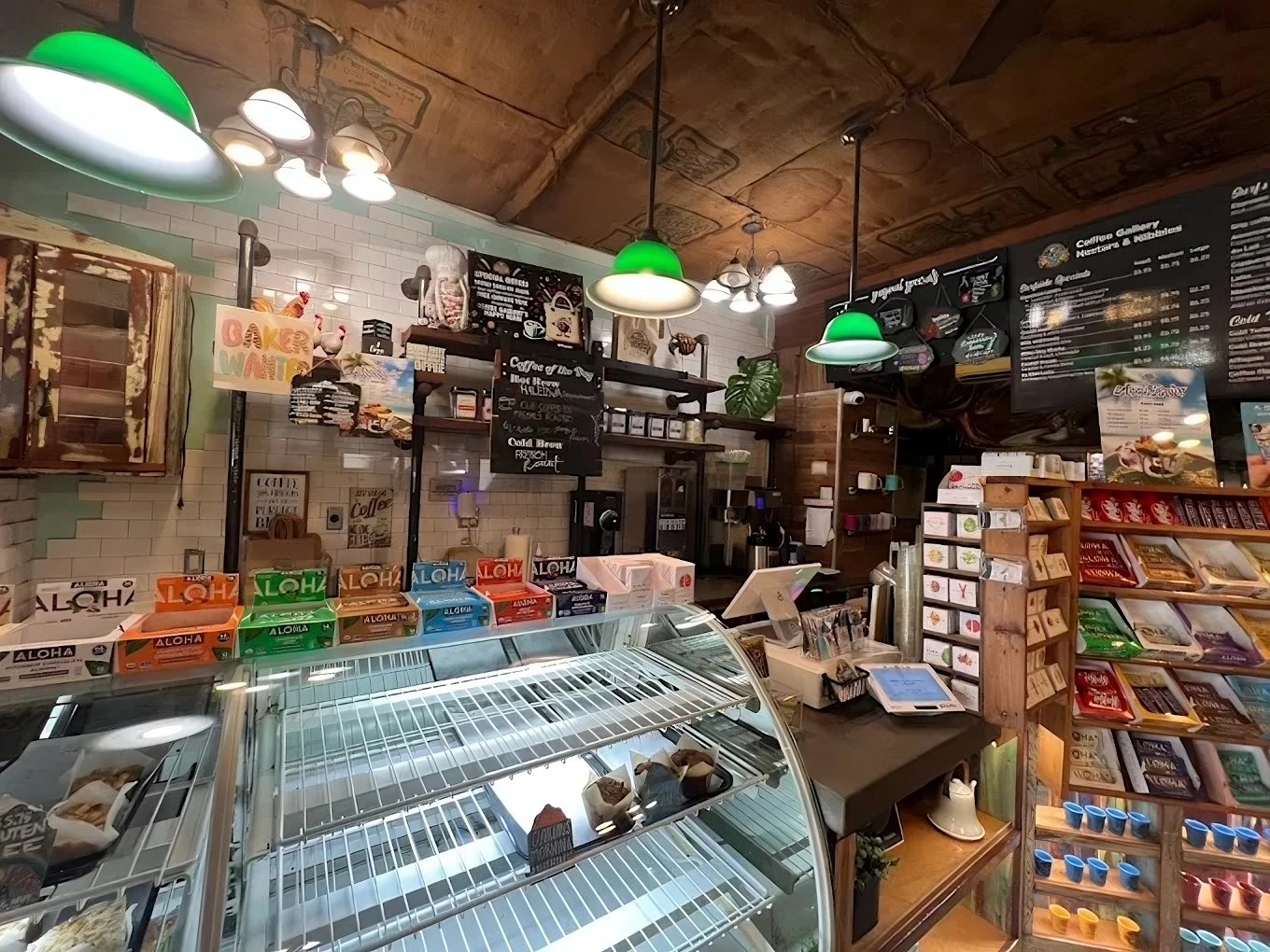
My first stop is Coffee Gallery, tucked inside the North Shore Marketplace. The smell of roasted beans hits before I even walk in. I order a macadamia nut latte and a warm slice of banana bread that melts in my mouth. The café has that cozy, local vibe — wooden tables, plants everywhere, and people chatting quietly about the surf forecast. I take my time here, sipping slowly, watching sunlight spill through the windows, and planning the rest of the day.
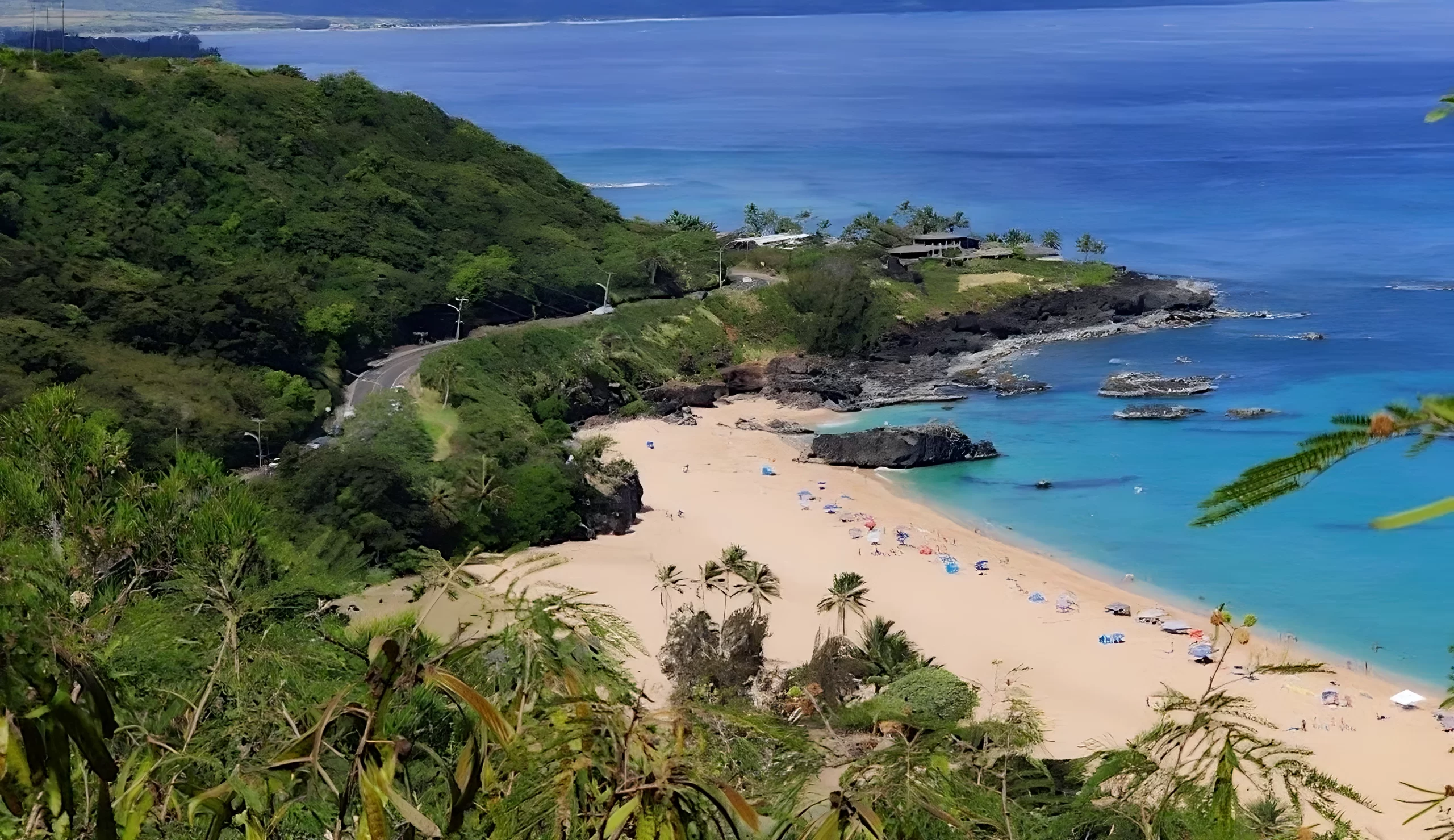
From Haleʻiwa, I head west along Kamehameha Highway. The coastline stretches endlessly on my left, with deep blue waves crashing into the shore. I make a few stops — Waimea Bay, where locals are already jumping off the big rock, and Sunset Beach, where surfers wait for the next perfect wave. In winter, the waves here can tower 30 feet high, and the sound of them pounding the sand is unreal. In summer, the water turns calm, clear, and perfect for swimming. I always take a quick dip, even if it’s just to rinse off the salt from the morning air.
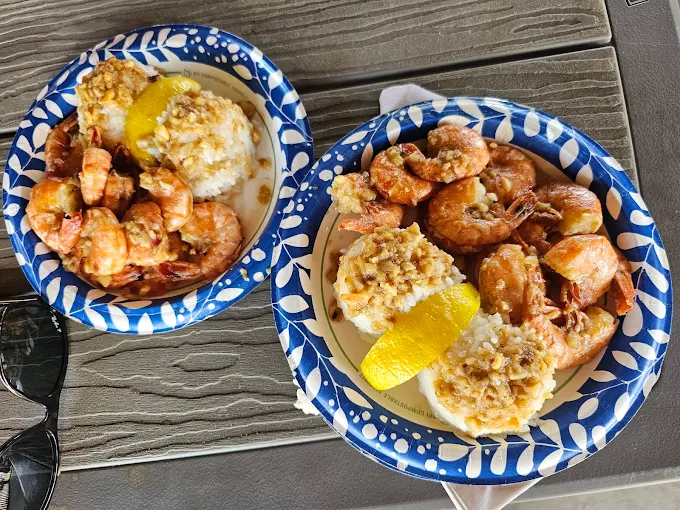
By noon, hunger sets in, and I drive toward Giovanni’s Shrimp Truck in Kahuku. You can smell the garlic before you even park. I order the Garlic Shrimp Plate — twelve pieces of shrimp cooked in butter and garlic, served on rice with a wedge of lemon. Eating here feels like part of the North Shore ritual. The picnic tables are simple, the napkins never last long, and everyone’s hands are messy with sauce. It’s one of those meals you remember for years because it’s so good and so unpretentious.
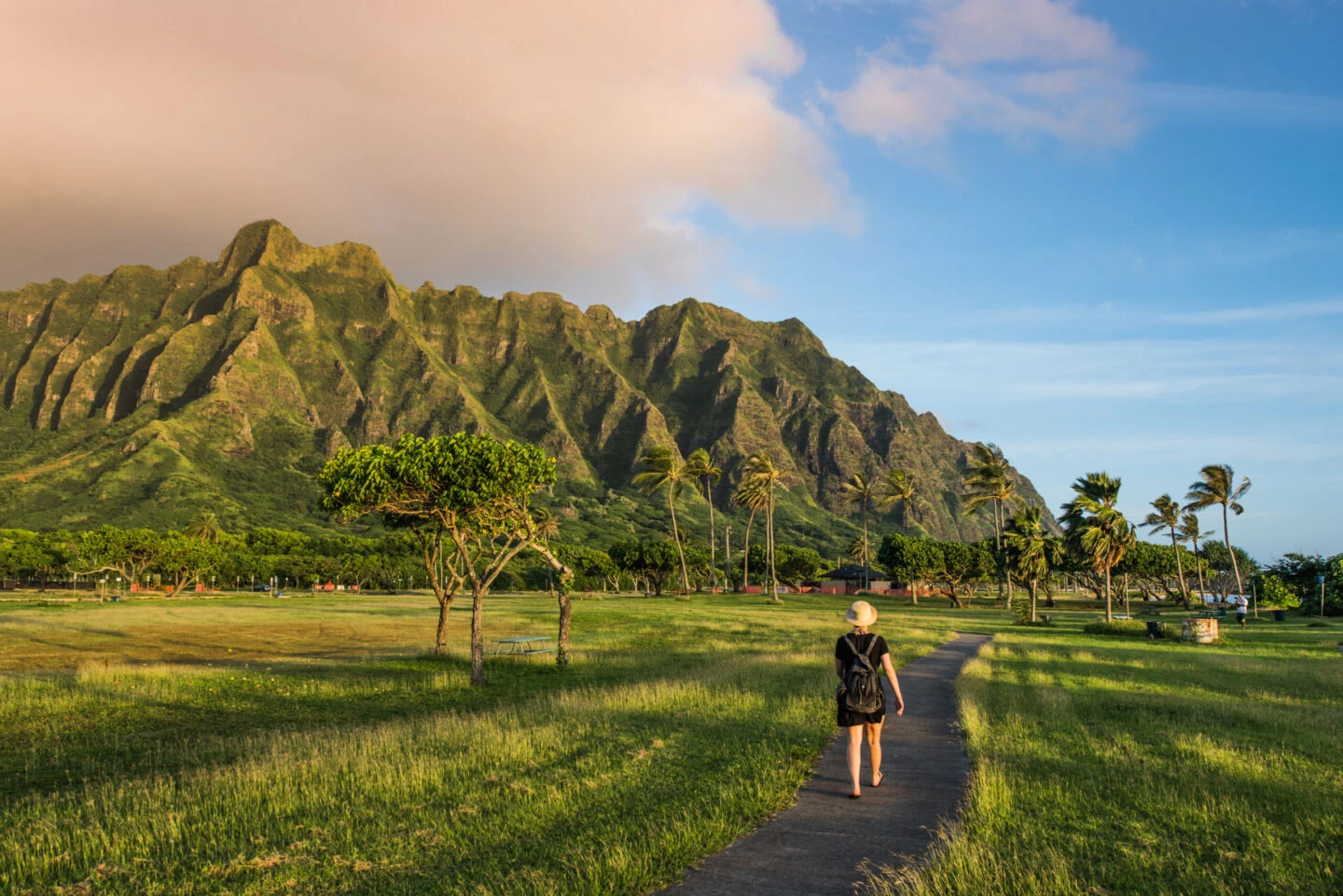
After lunch, I take a slow drive through the countryside. There are roadside stands selling pineapples, coconut water, and homemade banana bread. Sometimes I stop just to talk with locals who always seem happy to share a story or a few travel tips. Around mid-afternoon, I reach Kualoa Regional Park, which will be home for the night. The park sits across from the famous Mokoliʻi Island, known as Chinaman’s Hat. The view alone makes it worth the drive — towering green cliffs on one side, a calm bay on the other, and that tiny island sitting perfectly offshore.
Setting up camp here is easy. The sites are flat and grassy, and there’s enough space to park the van comfortably. I check in with the park ranger, show my camping permit, and settle under a few coconut trees. The wind feels softer on this side of the island. A few families are picnicking nearby, and kids are splashing around in the shallow water.
Before dinner, I walk along the beach. The sand feels cool under my feet, and the view of the island turns golden as the sun starts to drop. I sit for a while watching kayakers paddle out to Mokoliʻi, their silhouettes framed by the last light. When the sky begins to fade to purple, I head back to the van and start cooking. Tonight, I make grilled vegetables, some pre-marinated chicken, and a quick salad. The smell of charred garlic and soy sauce fills the air. It mixes with the sea breeze and somehow makes the food taste even better.
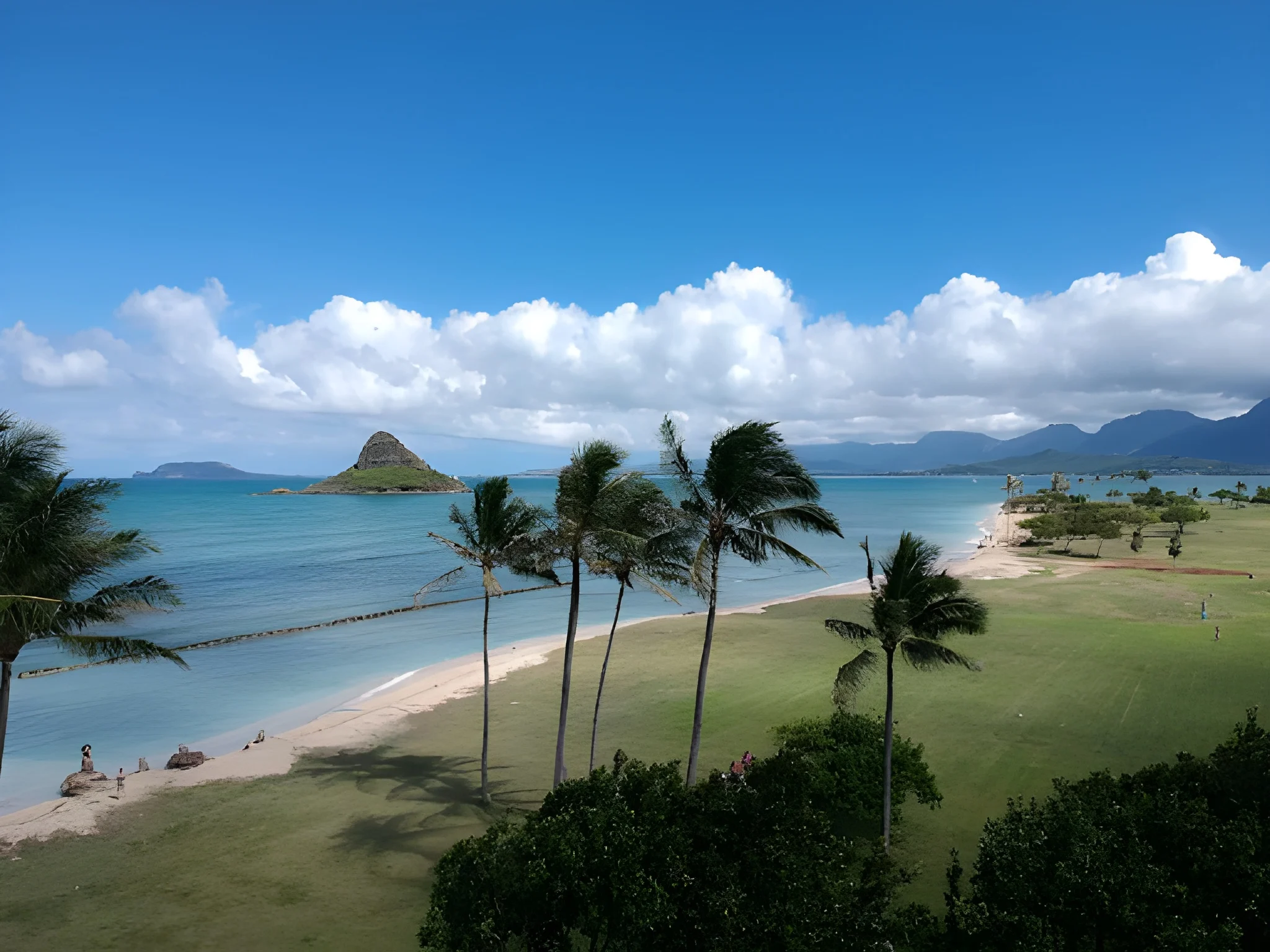
After eating, I wash the dishes using a small bucket of water I keep in the van, then take a short walk toward the shore again. The park grows quiet after dark, and all you can hear are crickets and the faint sound of waves. I sit on a driftwood log and look across the water. The outline of Mokoliʻi fades into the dark, and stars begin to appear one by one. It’s one of those scenes that make you feel both small and lucky at the same time.
When it’s finally time to sleep, I crawl back into the campervan. The air smells faintly of salt and coconut oil, and the soft hum of the ocean feels like a lullaby.
Camping Tonight:
- Kualoa Regional Park. Offers beachfront camping with views of Mokoliʻi Island.
Day 3: Kailua, Lanikai, and the Scenic Windward Drive
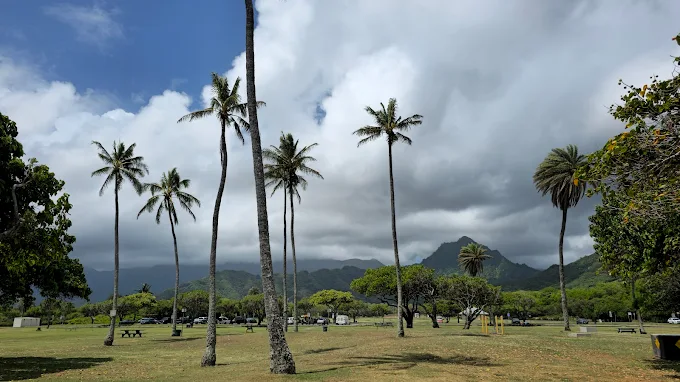
I wake up to the soft sound of the waves brushing the sand outside Kualoa Park. The air feels cooler this morning, and mist hangs low over the green cliffs behind me. The smell of sea salt mixes with the damp scent of grass and trees. I boil water on my small stove and make coffee while watching the sun rise behind Mokoliʻi Island. The light hits the island first, turning it gold before it spreads across the whole bay. Moments like this remind me how peaceful life can be when you slow down and let nature set the pace.
After breakfast, I pack up the van and head toward Kailua. The drive along the windward coast takes about forty minutes, winding through small neighborhoods and open coastal views. On my right, the Pacific sparkles in different shades of blue, and on my left, the Koʻolau Mountains rise sharply, covered in deep green ridges. Every few minutes, I want to pull over just to take another photo.
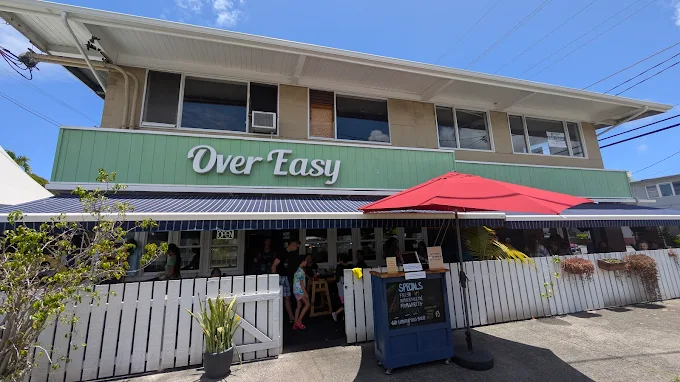
By midmorning, I reach the town of Kailua, one of my favorite spots on the island. The streets are lined with boutiques, surf shops, and little cafés that smell like coffee and pastries. My first stop is Over Easy, a bright café that locals love for brunch. I order their Custard French Toast, thick slices of sweet bread dipped in custard and pan-fried until crisp. It comes with a blood orange crème fraîche that balances the sweetness perfectly. Each bite feels like comfort food, and the friendly chatter from other travelers makes me feel at home.
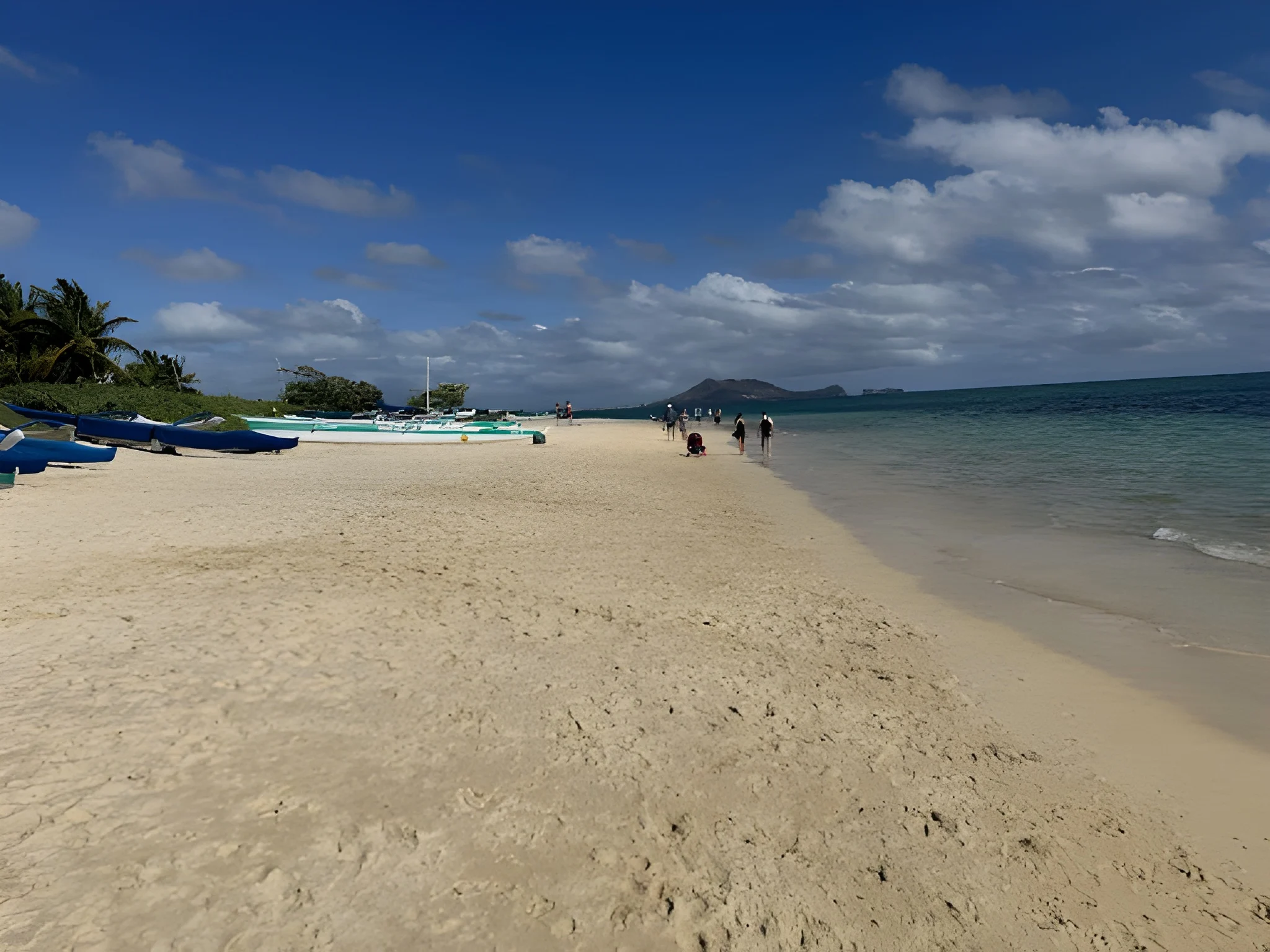
After brunch, I drive to Lanikai Beach, only five minutes away. Parking can be tricky here, so I find a small legal spot on a side street and walk down one of the public beach access lanes. The sand feels like powder under my feet, soft and almost white. The water is calm and crystal clear, shifting between turquoise and light green. From the shore, I can see the twin Mokulua Islands, standing like guards in the distance. I take a quick swim, letting the cool water rinse away the heat of the morning sun.
When I dry off, I decide to tackle the Lanikai Pillbox Hike. The trailhead sits above the neighborhood and climbs steeply at first, but the view is worth every step. It’s about 1.5 miles round trip, and it takes me around forty minutes to reach the top. Along the way, the trail cuts through dry grass and exposed rock. When I reach the old concrete pillbox, I sit down and look out at the ocean. The entire coastline spreads below — Lanikai, Kailua, and the sparkling blue sea stretching to the horizon. The breeze is strong up here, and I can feel sweat drying on my skin.
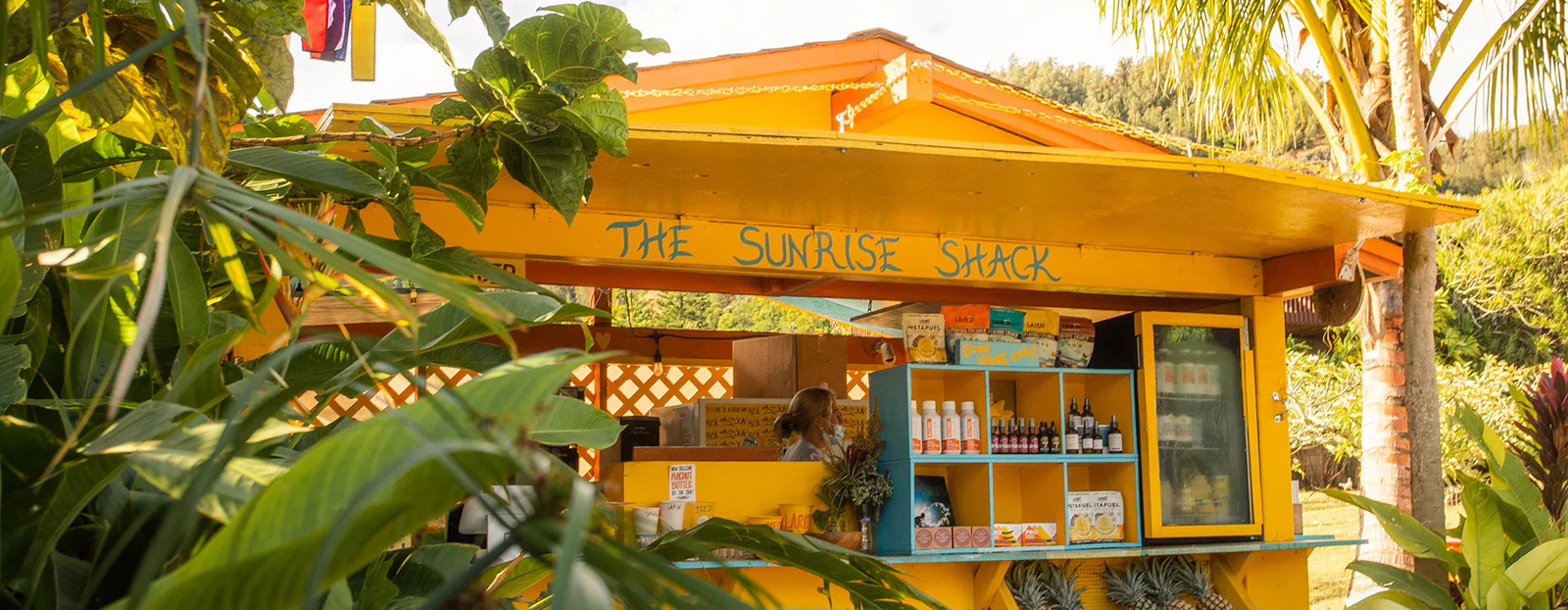
Coming down from the hike, I stop by The Sunrise Shack for a cold acai bowl. I order the “Tropical Bowl” topped with fresh pineapple, banana, and coconut flakes. It tastes fresh, cold, and just the right kind of sweet. Eating it outside under the shade of a palm tree feels like a small reward after the climb.
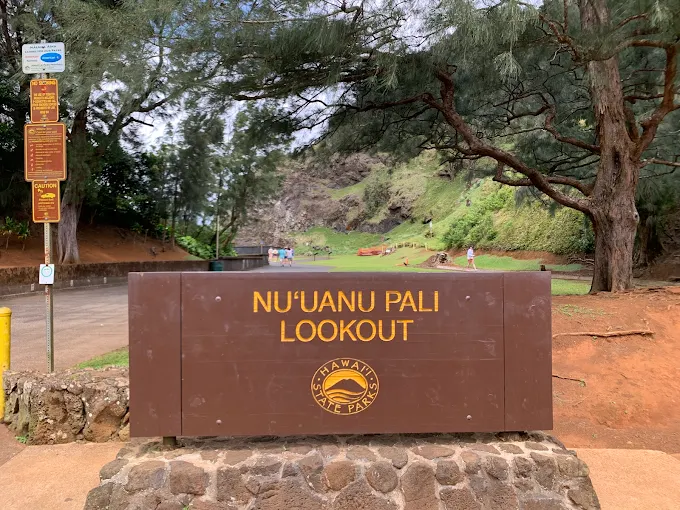
In the afternoon, I continue my drive south along Kalanianaʻole Highway. The road curves along cliffs and overlooks hidden beaches. I stop briefly at Nuʻuanu Pali Lookout, one of Oahu’s most famous viewpoints. The wind is so strong it almost pushes me back, but the view makes me forget everything else. The valley below stretches all the way to Kaneohe Bay, a patchwork of green and blue that looks almost unreal.
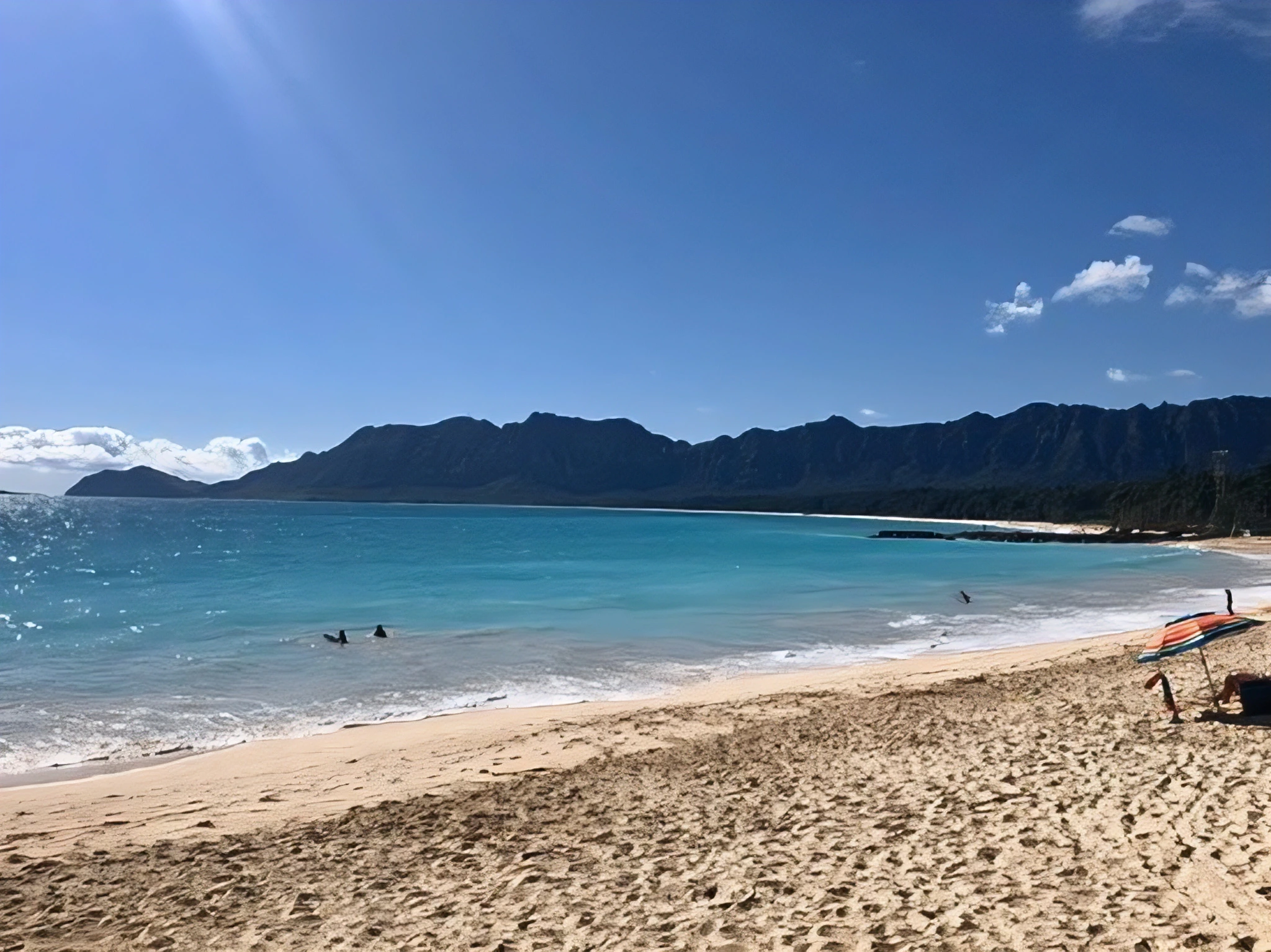
By late afternoon, I arrive at Bellows Field Beach Park. The beach is long, open, and lined with ironwood trees that provide plenty of shade. The sand here is fine, and the water looks like glass. I check in with my camping permit and find a quiet spot near the tree line. Setting up feels easy now — I’ve found a rhythm after a few nights on the road. The sound of the waves is constant but soothing, like the ocean whispering just for me.
Before dinner, I walk barefoot along the water. The horizon turns orange as the sun dips behind the mountains. The whole beach glows, and the light makes everything feel slower and softer. A few other campers sit nearby, chatting quietly while they cook. I boil some rice and heat up a can of curry, simple but satisfying. The steam rises and mixes with the salty air.
After eating, I rinse the dishes, then sit outside the van. The stars appear one by one until the sky fills completely. Somewhere nearby, someone plays soft ukulele music. I lean back in my chair, close my eyes for a moment, and let the night air wrap around me. Camping on Oahu always brings moments like this—quiet, grounded, and full of gratitude.
As the night deepens, the waves keep a steady rhythm. I crawl inside the van, stretch out, and fall asleep to the sound of the ocean breathing just beyond the door.
Camping Tonight:
- Bellows Field Beach Park. Tent-only, open weekends and holidays with a permit.
Day 4: Exploring East to South Coast: Waimānalo to Hanauma Bay
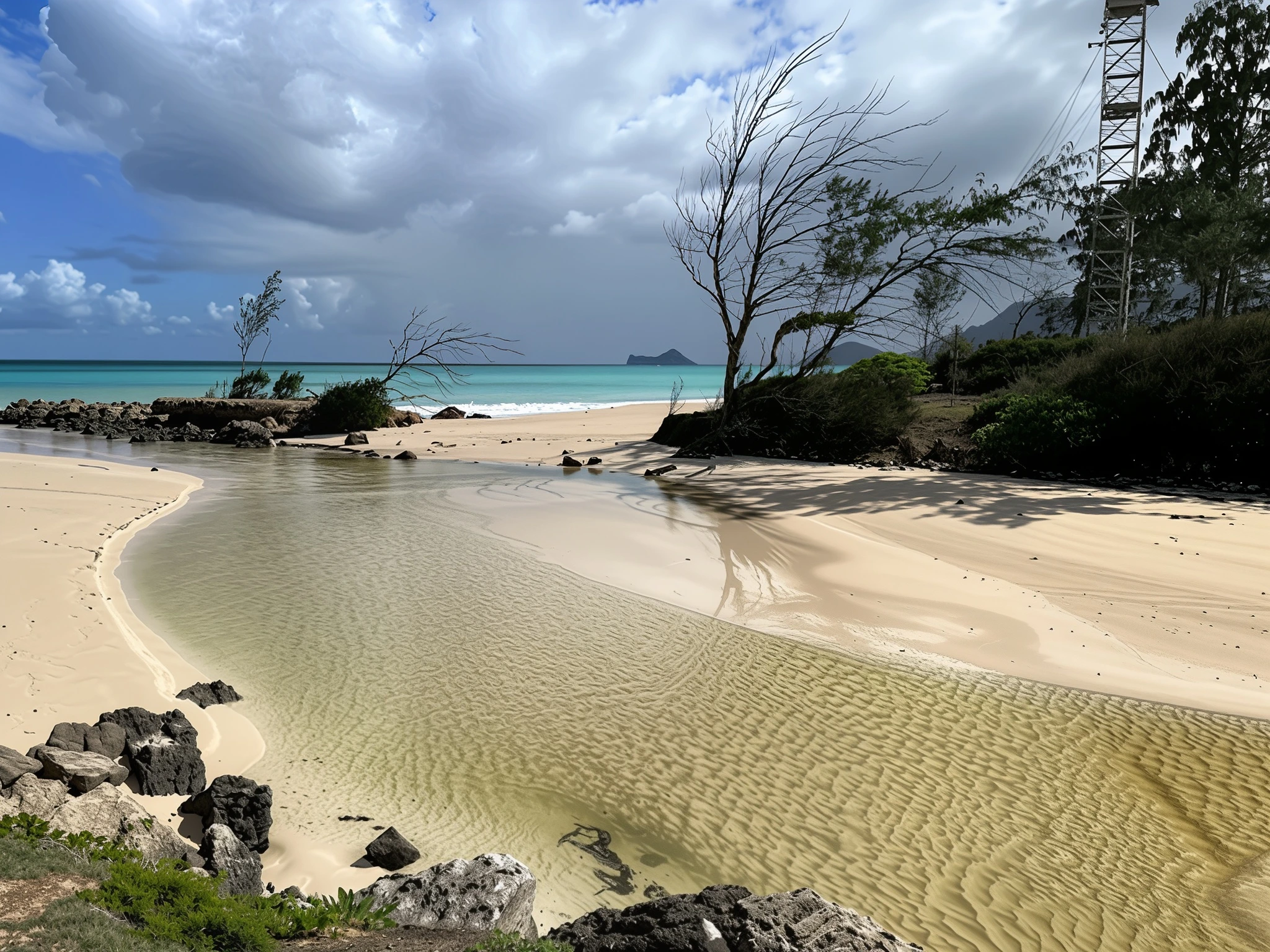
I wake up early to the faint rustle of the wind through the trees at Bellows Beach Park. The air smells like salt and pine, and for a few minutes, I just sit inside the campervan, listening to the waves roll in. Mornings like this make camping in Oahu feel so peaceful — you wake up right where the island meets the ocean.
I brew my usual instant coffee, then step out barefoot onto the sand. The beach stretches endlessly in both directions, pale blue light reflecting on the water. A few joggers pass by, their footprints fading as the tide creeps in. After a short walk, I head back, pack up the van, and prepare for another full day of exploring.
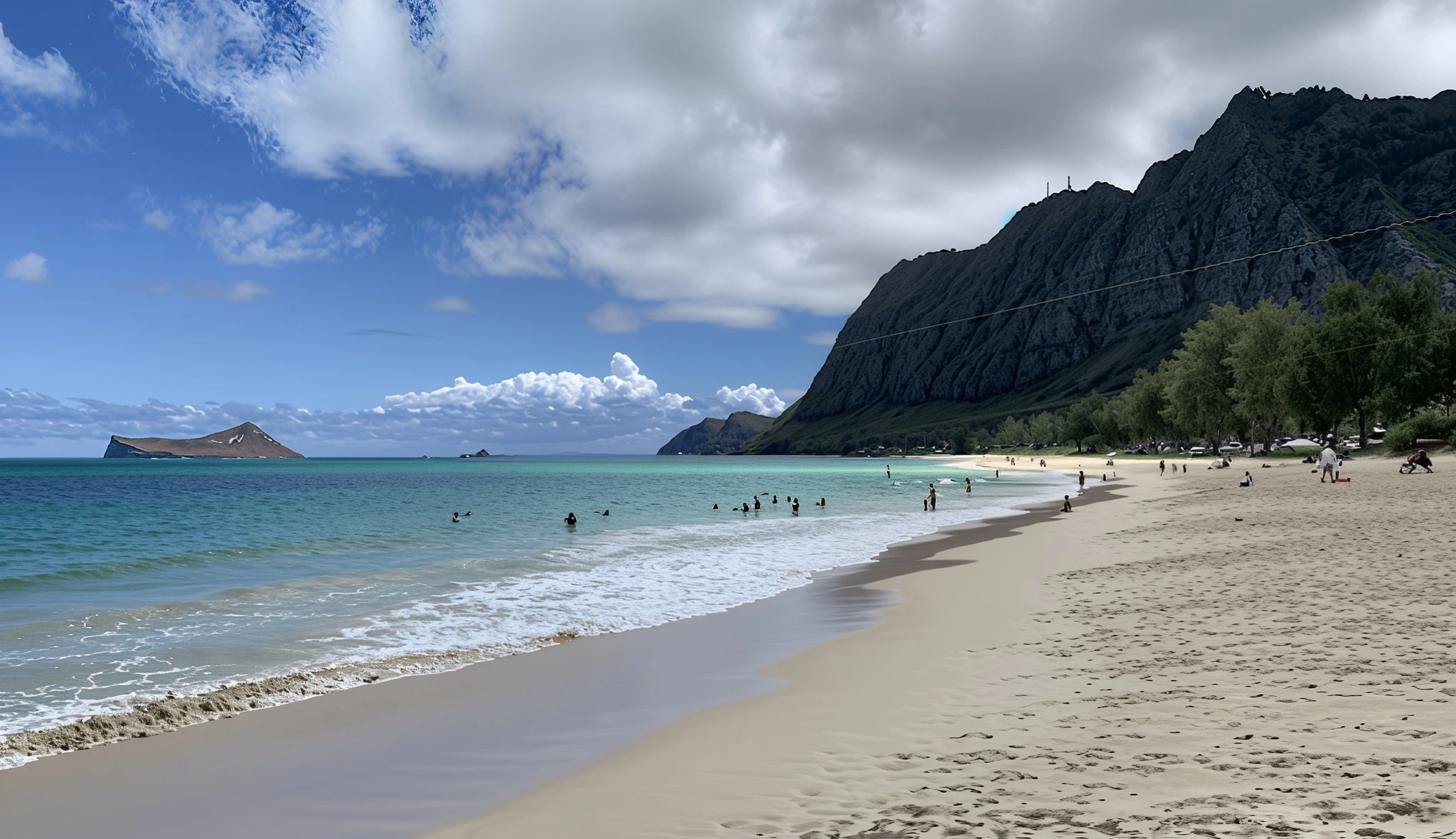
My first stop is Waimānalo Beach, just ten minutes away. The drive there feels like cruising through a postcard — mountains on one side, the ocean on the other. The beach is wide, quiet, and incredibly scenic. I park near the entrance and take my towel and snorkel gear down to the water. The waves are gentle, and the sand feels cool beneath my feet. It’s less crowded than Lanikai or Kailua, which makes it perfect for a calm morning swim. Floating on my back, I can see the Koʻolau Range stretching high and green behind the coastline. It’s one of those moments that makes you appreciate how untouched parts of Oahu still are.
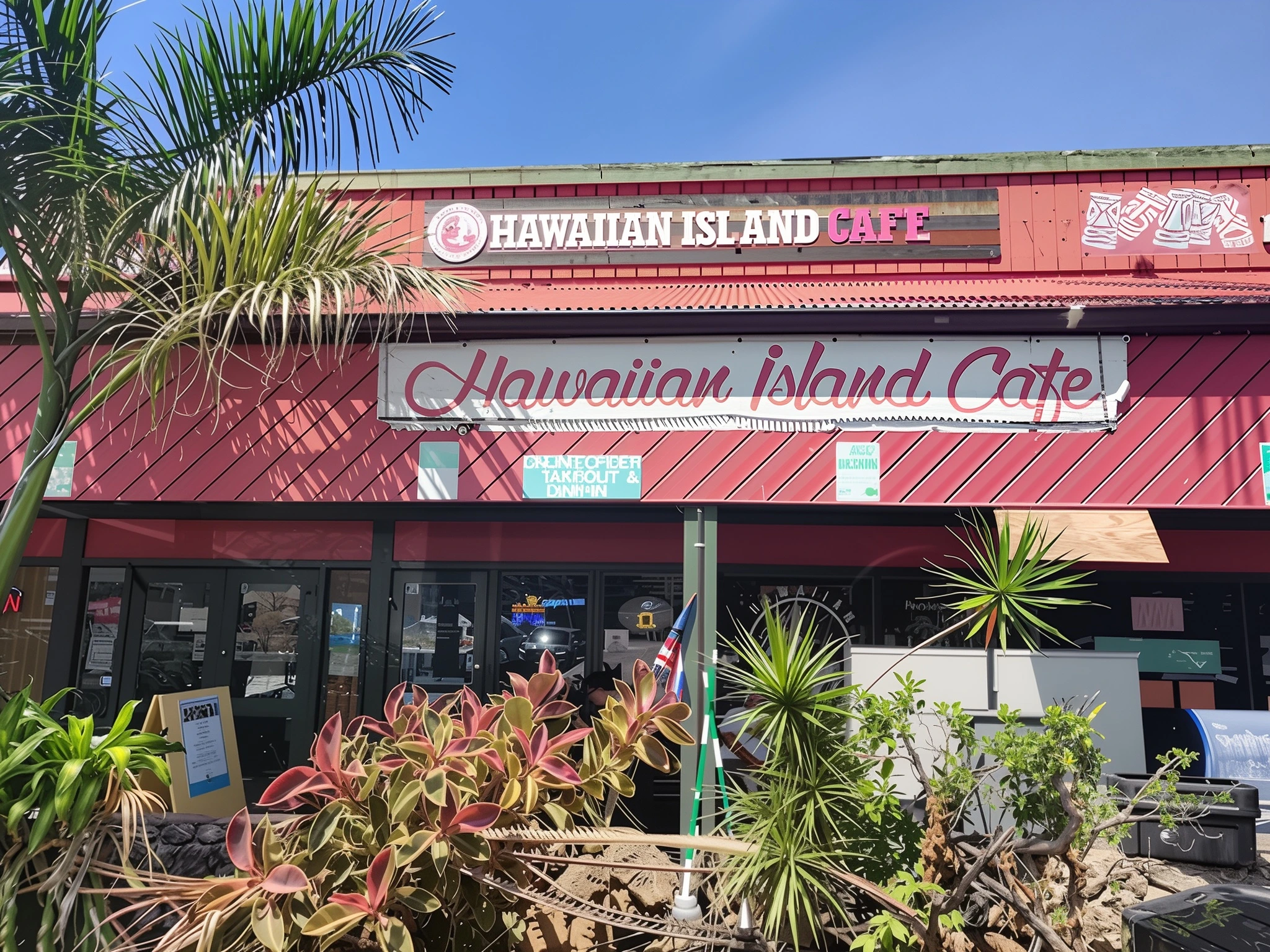
After swimming, I feel hungry, so I stop by Hawaiian Island Café, a small local spot nearby. I order their breakfast plate with Portuguese sausage, rice, and eggs — simple and filling. The staff greets everyone like family, and I find myself chatting with a local couple who recommend I check out Makapuʻu Point next.
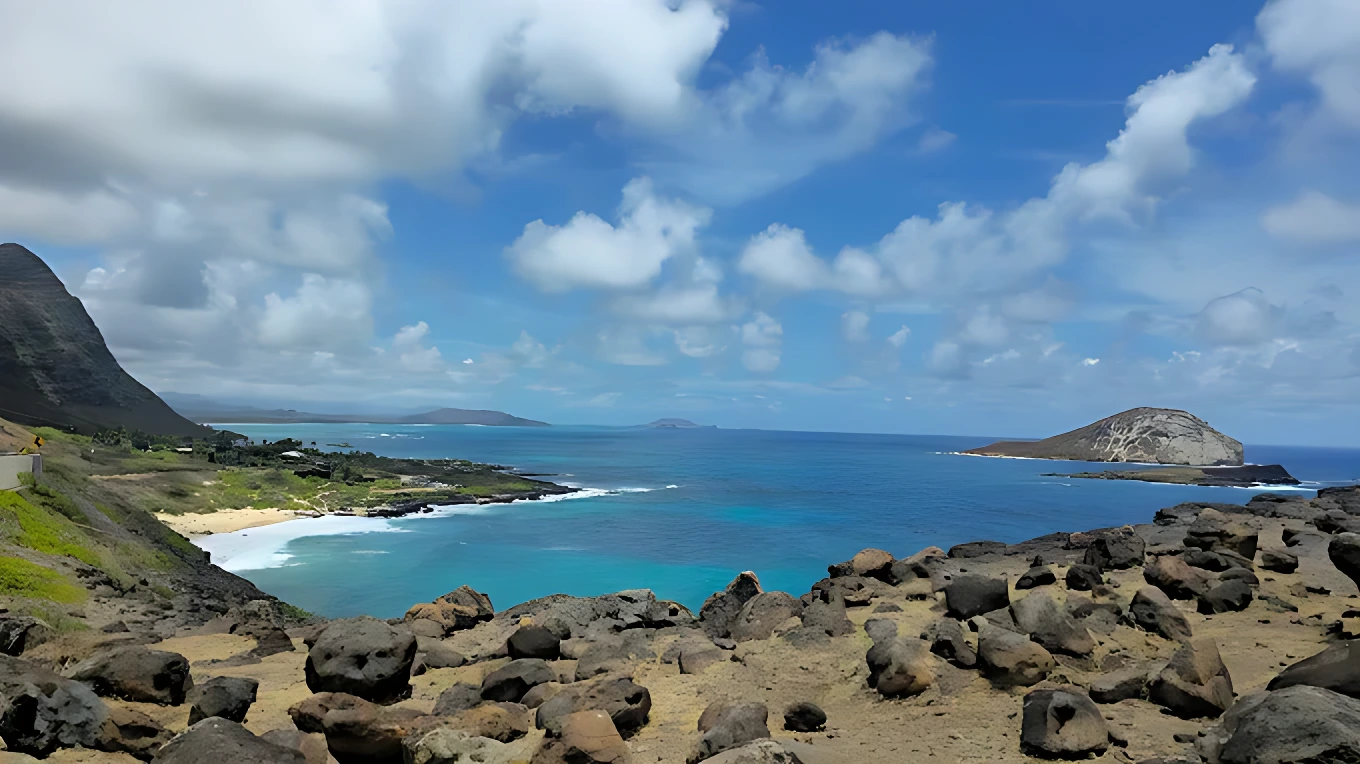
The road from Waimānalo to Makapuʻu is one of my favorite drives on the island. The coastline bends dramatically, and the cliffs rise higher as the road narrows. I pull into the Makapuʻu Lookout parking lot and immediately see why it’s so popular. From here, you can see Rabbit Island just off the coast, glowing in the sunlight. I take the Makapuʻu Lighthouse Trail, an easy paved hike that takes about an hour round trip. The higher I climb, the better the view gets — the ocean turns deep blue, and if you visit during winter, this is a great spot to see whales breaching in the distance.
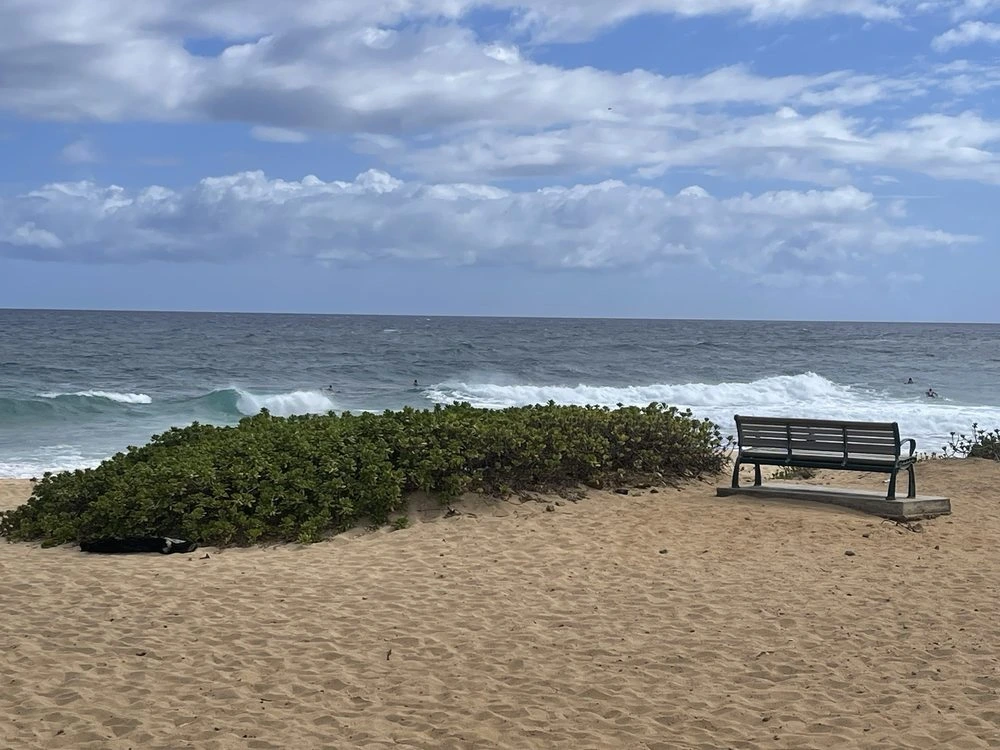
Back at the van, I drive toward Sandy Beach, a place known for its strong waves and bodyboarders. I don’t go in the water here since the current is strong, but I enjoy watching locals ride the waves like it’s second nature. There’s something hypnotic about how they dive into each wave with perfect timing. I grab a chilled coconut from a nearby fruit stand and sit by the shore, sipping while the wind brushes my hair.
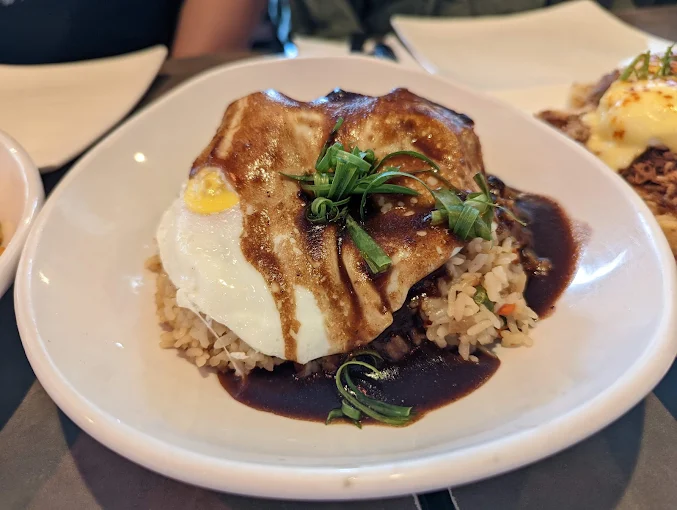
By lunchtime, I reach Koko Marina Center in Hawaiʻi Kai, where I stop at Moena Café. The vibe is relaxed, with big windows that let in the sea breeze. I order the Loco Moco — a Hawaiian favorite made of rice, hamburger steak, gravy, and a fried egg on top. It’s hearty, flavorful, and gives me the perfect energy boost for the afternoon.
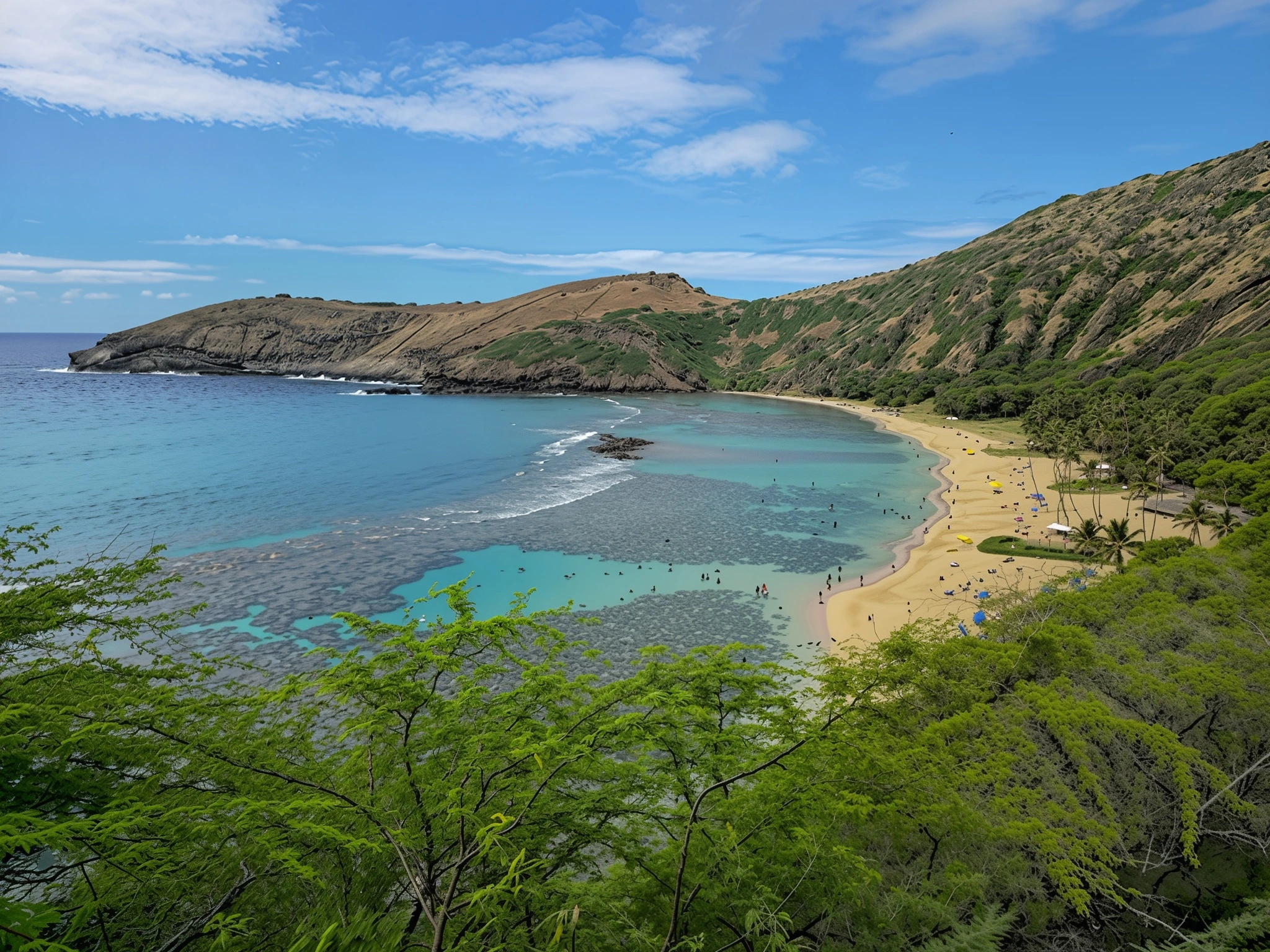
After eating, I head to Hanauma Bay Nature Preserve, one of Oahu’s most famous snorkeling spots. I make sure to arrive early enough, since the park limits visitors to protect the coral reef. After the short orientation video about marine life, I walk down the slope to the beach. The bay looks like a perfect half-circle of turquoise water surrounded by green cliffs. I slip on my snorkel gear and wade in. Almost immediately, I see schools of colorful fish darting between coral formations. Yellow tangs, parrotfish, and even a small sea cucumber glide just inches away from me. I stay in the water for almost an hour, moving slowly to take in the underwater world.
When I finally come back to shore, the afternoon sun is warm and golden. I lay on my towel to dry off and rest, watching the waves ripple softly. It feels good to do nothing for a while. Later, I grab a snack from the small concession stand near the entrance, just a musubi and a bottle of cold water and sit under a palm tree before heading back up the hill.
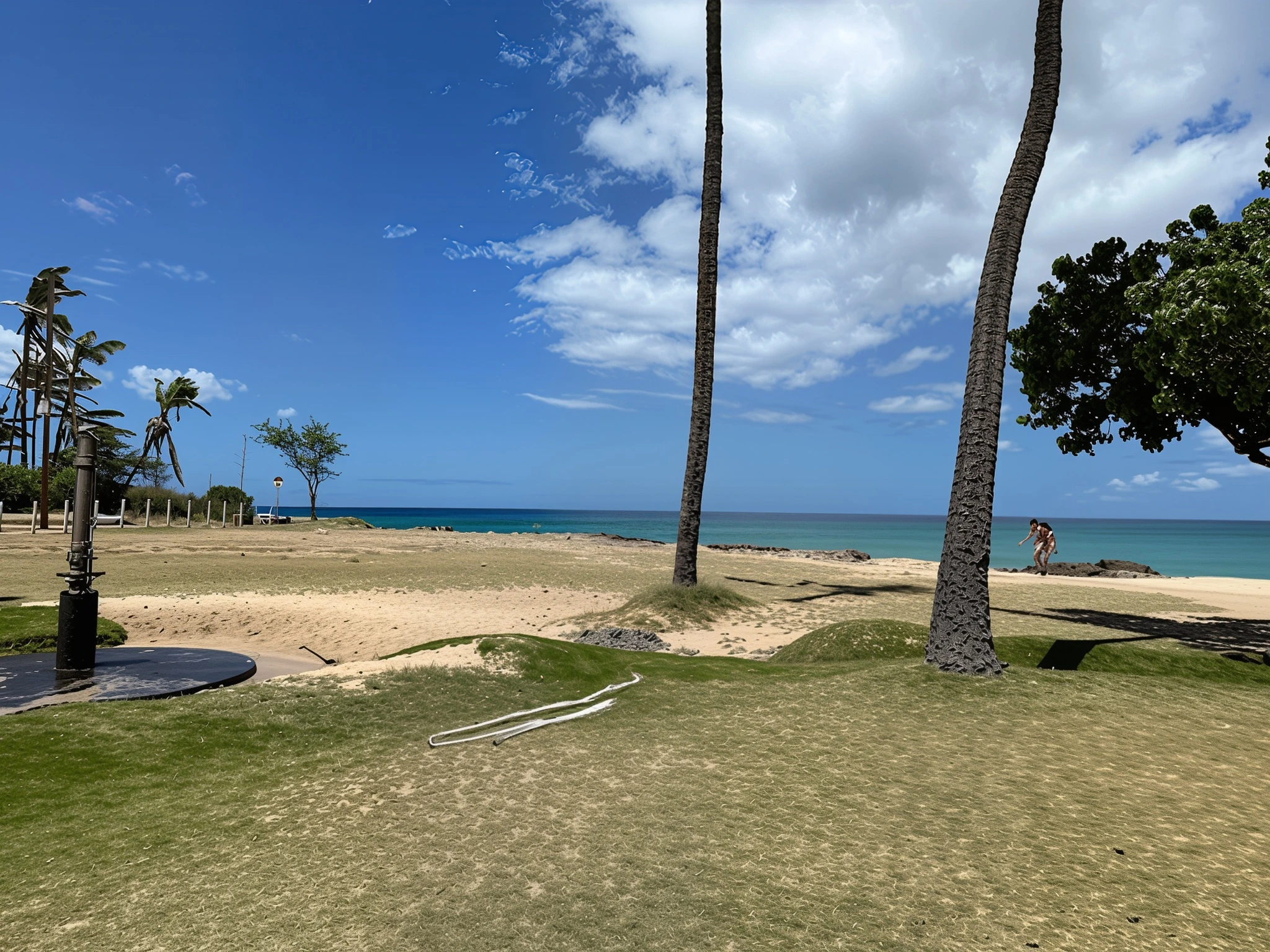
As evening approaches, I drive toward Kalanianaʻole Beach Park near Hawaii Kai, where camping is allowed with a permit. The area is peaceful, and the sunset view from here is stunning. I park facing the water, open the van doors wide, and watch the sky turn shades of pink and purple. Dinner tonight is simple — grilled fish I bought from a roadside market earlier, cooked over a small portable grill. I add some rice and a squeeze of lime, and it tastes fresh and smoky.
After dinner, I take a quiet walk by the water. The night sky reflects on the calm bay, and city lights twinkle faintly in the distance. A few locals are fishing by the shore, their lines glowing in the dark. I sit for a while, breathing in the cool night air, feeling both tired and content.
When I finally settle inside the van, I open the windows just enough to let in the breeze. The hum of the ocean and the faint chirping of crickets blend together until I drift off to sleep. Tomorrow, I’ll head toward Honolulu and the South Shore for the last leg of this island journey.
Camping Tonight:
- Kalanianaʻole Beach Park. Beautiful small secluded beach on the west side of Oahu. Kalaniana’ole Beach Park is also known as Nanakuli Beach Park.
Day 5: Honolulu, Pearl Harbor, and a Bittersweet Goodbye
The first light creeps through the curtains of my campervan at Kalanianaʻole Beach Park. I stretch inside my sleeping bag, still half-dreaming, and listen to the ocean’s soft rhythm. My last morning in Oahu feels quiet and emotional, like the island is giving me one final slow goodbye. I make coffee on my small camp stove, watching the steam rise as the sun paints the clouds in gold. It’s hard not to feel grateful for every moment spent here — the early swims, the mountain hikes, the meals eaten under the stars.
After packing up the van, I start my drive back toward Honolulu. The city skyline appears in the distance, tall and modern, yet still wrapped in that easy island calm. My first stop today is Pearl Harbor National Memorial, one of the most important historical sites in Hawaii. Parking is free, and I booked my USS Arizona Memorial tickets online a few days before since slots run out fast.
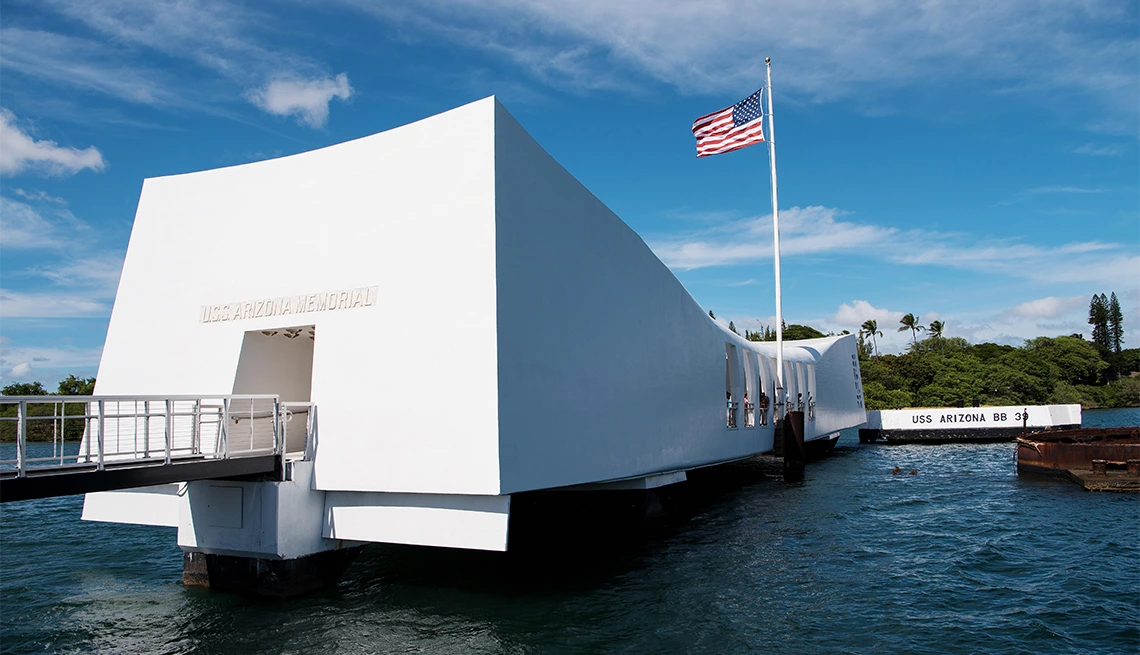
The place is peaceful and respectful. Visitors move slowly through the exhibits, reading about the events of December 7, 1941. The short boat ride to the memorial feels heavy with history. When the white structure comes into view, floating silently above the sunken ship, everything goes quiet. I lean on the railing and look down into the water where oil still shimmers faintly, rising from below after all these years. It’s a humbling sight, and for a few minutes, I just stand there thinking about the lives connected to this place.
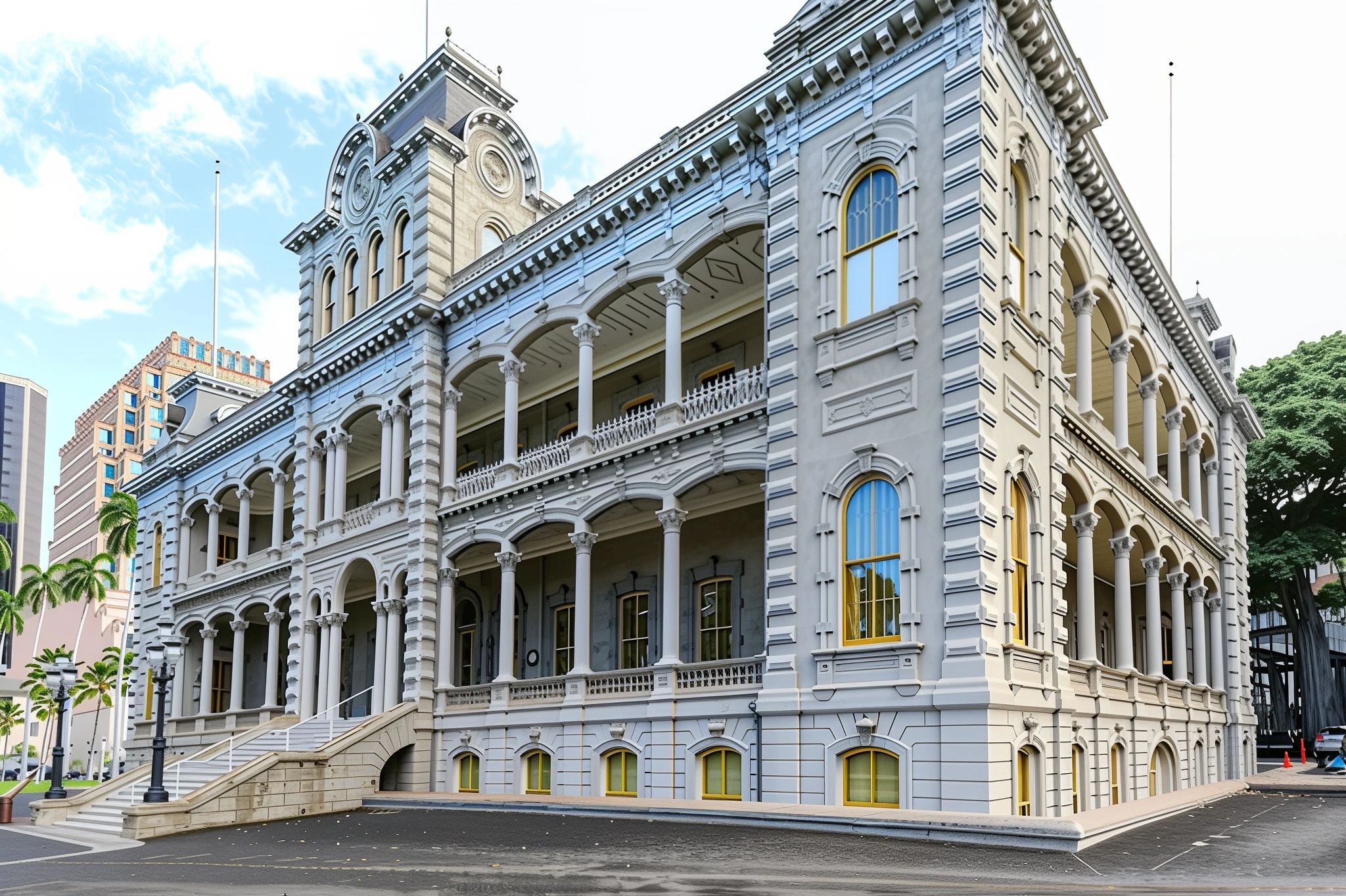
After leaving Pearl Harbor, I drive into Downtown Honolulu, which feels alive and colorful compared to the calm of the memorial. I park near ʻIolani Palace, the only royal palace in the United States. The white building looks elegant surrounded by tall palm trees. I join a short guided tour inside, where the guide talks about King Kalākaua and Queen Liliʻuokalani. Each room feels frozen in time — chandeliers, carved wooden furniture, and even the royal throne room. It’s amazing to realize Hawaii once had its own monarchy, full of art and culture.
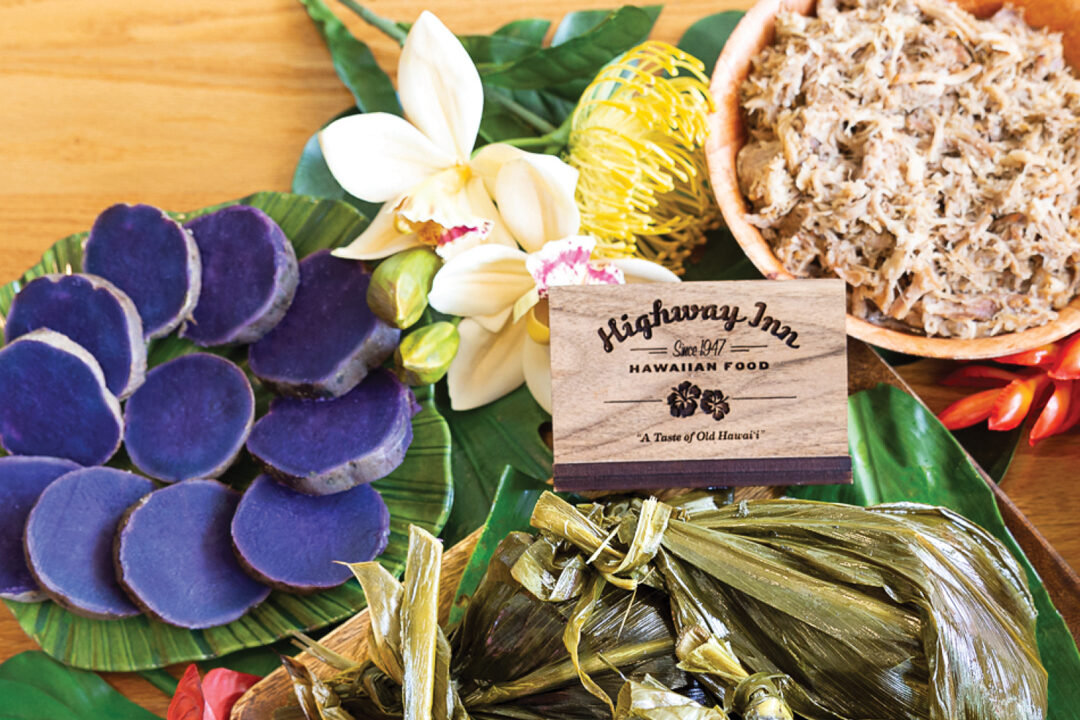
By noon, my stomach starts to grumble. I walk over to Highway Inn, a local Hawaiian restaurant that’s been around for decades. The place smells like home-cooked food — soy sauce, garlic, and grilled meat. I order the traditional plate lunch: kalua pig, lomi salmon, rice, and a scoop of macaroni salad. The kalua pig is smoky and soft, the kind that melts in your mouth. While eating, I chat with the staff about local favorites, and they tell me to visit Ala Moana Beach Park for one last swim before heading home.
It’s only a short drive, and when I arrive, the park feels open and welcoming. Locals picnic under the trees, kids run across the grass, and the beach glows under the afternoon light. I spread my towel near the shore, slip into the water, and let the cool waves wash away the salt and sand from my trip. It feels like a closing chapter, calm and peaceful.
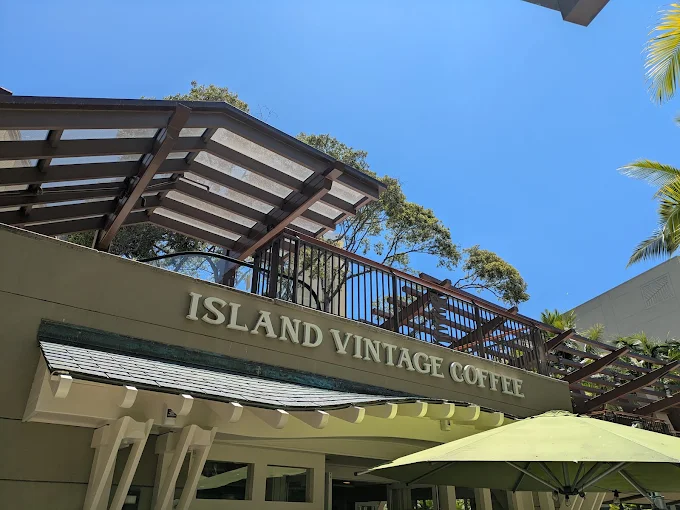
After swimming, I take a short walk to Ala Moana Center for a quick coffee at Island Vintage Coffee. I sit by the balcony with my iced Kona latte, watching the sunset start to form over the skyline. It’s a soft orange glow that slowly fades into pink, and I realize how much this island has given me in just five days. From the quiet mornings in Mokulē‘ia to the stunning cliffs of Makapuʻu, Oahu has a way of making you slow down and appreciate the small things like the smell of plumeria or the sound of waves under the stars.
For my final night, I book a simple room in Waikiki so I can rest before my flight the next day. Driving through the city at dusk feels surreal — the familiar streets, the surfboards lined along the sidewalk, and the sound of ukulele music drifting from beach bars. I park and walk to the sand one last time. The sky is fading into deep blue, and the lights from the hotels reflect off the water.
I sit quietly, toes buried in the sand, thinking about how this trip started with excitement and ended with gratitude. Five days might not seem long, but when you camp around Oahu, every sunrise and sunset feels personal. Each moment leaves a small mark — one that makes you want to return someday, maybe for longer, maybe to discover another hidden beach or mountain trail.
As I head back to the van for the night, I look over my shoulder one more time. The ocean glows faintly under the moonlight, and I whisper a quiet thank you to the island.
Tomorrow, I’ll fly home, but a part of me will always stay here with the sound of the waves, the scent of salt in the air, and the feeling that paradise isn’t just a place, it’s the peace you find when you slow down enough to truly see it.
Camping Tonight:
- No camping tonight. Stay in Waikiki or near the airport for easy access to your flight.
Trip Planning Notes
Before you start your Oahu camping trip, here are some practical things I learned that will make your adventure easier and smoother.
Driving and Timing
Oahu may look small on the map, but traffic especially around Honolulu and the East Coast—can slow you down. Plan your drives early in the morning or later in the afternoon to avoid rush hours. For example, getting from Waikiki to the North Shore can take around two hours with stops, and from Haleʻiwa back to Honolulu can be about an hour and a half depending on the day. Always allow extra time for scenic pullouts or unexpected delays.
Weather and Seasons
Oahu’s weather is mostly warm all year, but it changes fast. The North Shore gets big waves in winter (November to February), while the South Shore and East Coast are calmer in summer. Pack light but smart quick-dry clothes, reef-safe sunscreen, mosquito repellent, and a light rain jacket are must-haves.
Packing and Prep Checklist (Campervan Edition)
Bring a tent with stakes, even if you are in a campervan, since most public campgrounds require it. Pack reef-safe sunscreen, a light rain jacket, and a cooler for your food and drinks. Keep printed and digital copies of your permits.
Wear comfortable shoes for hiking, and carry a flashlight or headlamp for evenings at the campsite.
Safety, Etiquette, and Leave No Trace
Follow quiet hours and respect local residents at every campsite. Always take your trash with you and avoid touching coral or marine life. Use only the fire pits that are provided. Leave each campsite clean and ready for the next camper.
The Best Campervan for Your 5-Day Oahu Trip
The best camping trips in Oahu are the ones where you slow down and enjoy every moment. Stop by a roadside fruit stand, take an extra swim, or stay a little longer to watch the sunset.
Book your campervan early, prepare your permits, and enjoy every step of the journey. You will leave Oahu with memories that will stay with you forever.
Book your campervan now on Outdoorsy and use code the current discount code (see lemondropcampers.com/outdoorsy-discount) for 10% off at checkout. You can also choose your campervan below.