

Someone in a social media group asked last year: “Is it safe to leave a campervan overnight in Hawaii?”
The replies were all over the place. Half the people said “totally fine, don’t worry.” The other half had a horror story about a smashed window at a trailhead. Neither answer was wrong actually, they just weren’t the full picture.
Here’s the honest version.
Most Campervan Trips in Hawaii Go Exactly As Planned
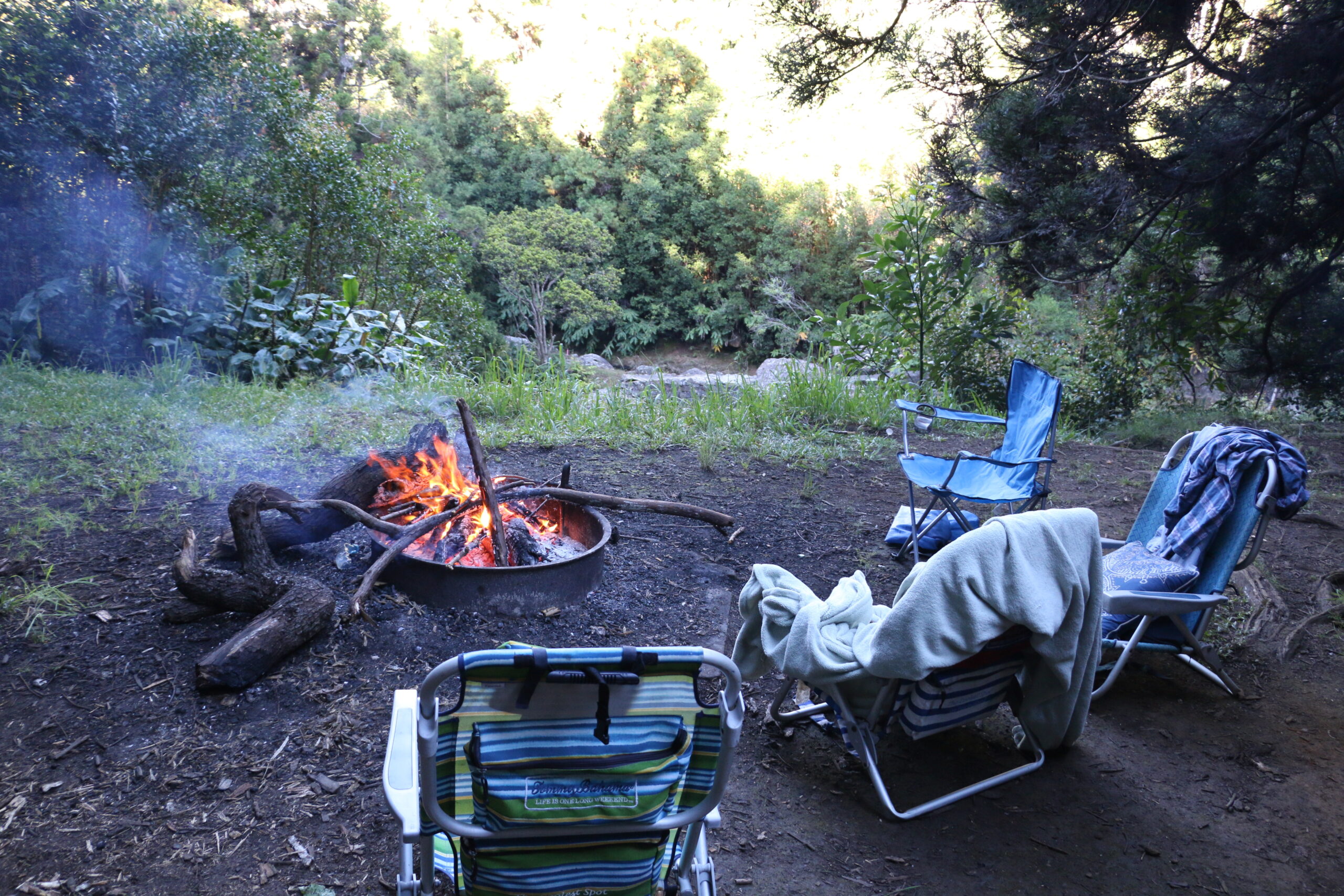
The reality is that thousands of people camp Hawaii every year in rented campervans and have an incredible time. Waking up to ocean air, cooking breakfast with the side door open, driving to a new beach before noon, it’s exactly as good as it sounds.
For most travelers, the experience is smooth and memorable. And a big part of that comes from understanding a few local habits that help you move through the islands confidently.
Hawaii isn’t dangerous. People are warm, the camping culture is laid-back, and the islands don’t have the kind of organized vehicle theft you hear about in big mainland cities.
What Hawaii does have, specifically at popular trailheads like the Kalalau on Kauai, or Makapu’u on Oahu, are quick, opportunistic break-ins. Usually, this happens when something’s visible inside the vehicle. A cooler on the seat. A backpack. A camera bag.
That’s usually all it takes.
The good news is this kind of thing is often preventable with a few simple habits. And even people who are careful can sometimes run into issues, so the goal isn’t to be perfect, just to reduce risk and feel more confident while you’re out there.
The Habits That Make the Biggest Difference
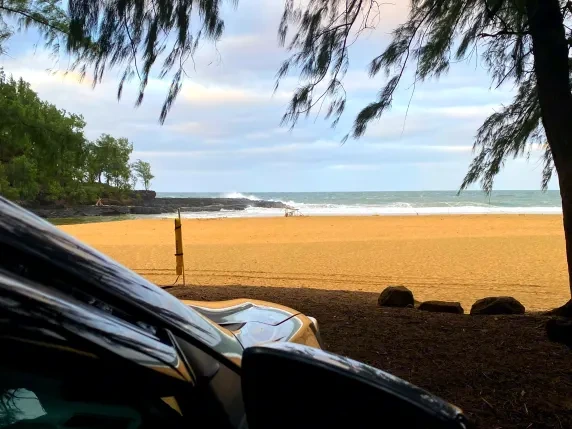
These don’t cost anything. They just take getting used to.
Leave nothing visible when you step out. Nothing. Not a jacket, not a phone charger, not a reusable bag from Whole Foods. If a person walking by your van can see anything on a seat, it’s too much. Before you leave the van, take 30 seconds and make it look like nobody lives in it.
Lock it every single time. Even for a 10-minute hike. Even when you’re just walking to the beach bathroom. Most incidents happen when someone steps away briefly and figures it’s not worth the hassle.
Close your curtains. A van with curtains closed looks occupied. An occupied van gets left alone.
Keep keys on you, not hidden in the van. It’s tempting to leave a spare somewhere convenient. Don’t.
That’s really most of it. The habits sound basic because they are but they make a real difference in how your trip goes.
A Few Things Worth Spending Money On
If you’re renting for a week or more, these are worth thinking about:
A steering lock. Old school, yes. But they work precisely because they’re visible. Someone casing a parking lot sees a steering lock and usually just moves to the next vehicle. You can grab one at any Walmart or auto parts store in Hawaii for around $40-$50.
A GPS tracker. Small, cheap, and if something does happen, it’s the difference between “we found your van in two hours” and “we’re sorry, it’s gone.” Tile makes a solid option. Some rental vans on Outdoorsy already have them built in, just ask the owner before you pick up.
Window security film. Less common advice, but worth knowing about. It doesn’t stop a window from breaking, but it slows it down, which adds noise and time, and most people looking for a quick grab aren’t looking for either of those things.
Where You Park Matters More Than Almost Anything
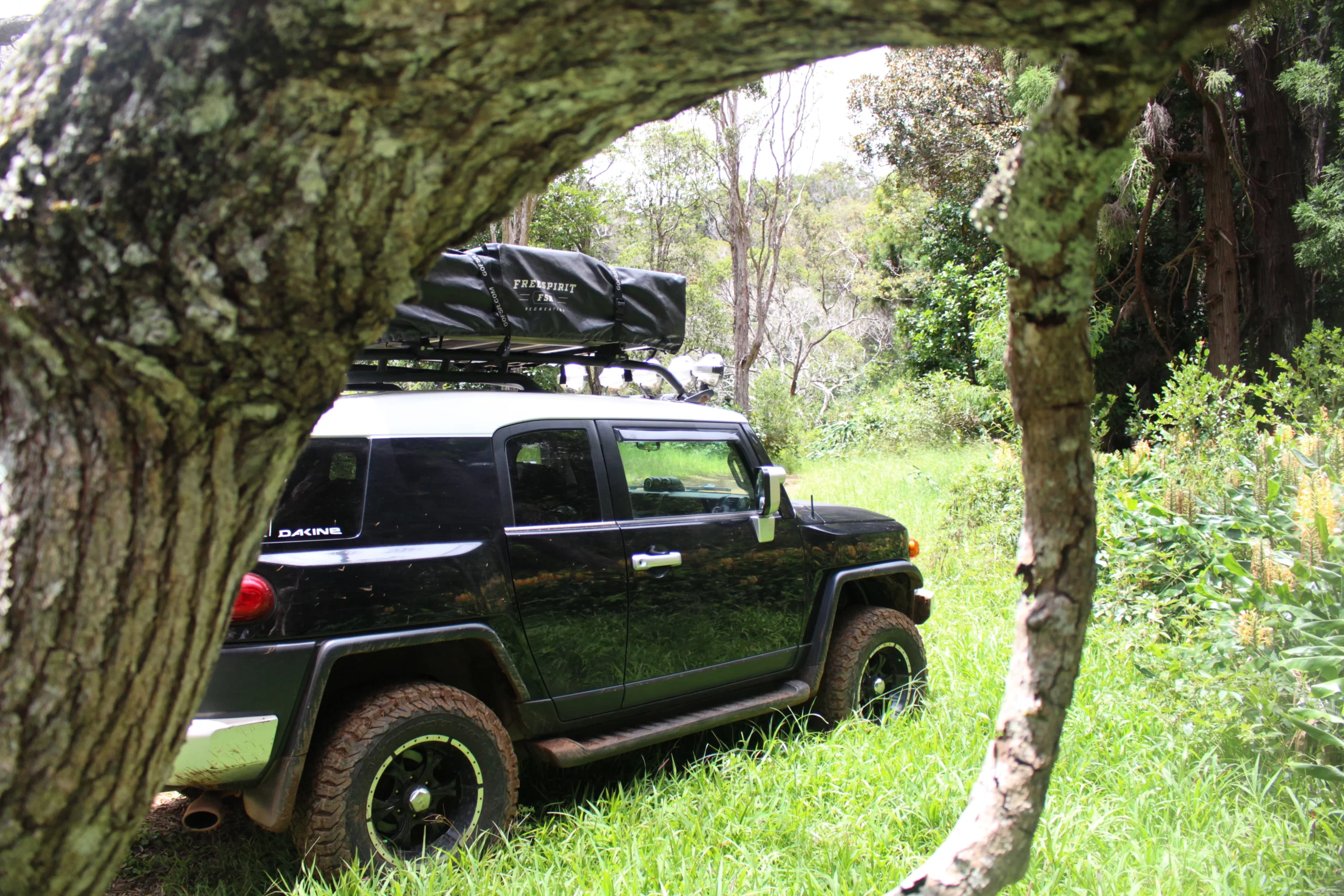
This is the one most people don’t think about before the trip.
Legal campgrounds like in the state park sites, county beach parks, and private campgrounds, have something isolated spots don’t: other people. Rangers. Foot traffic. Neighbors who would notice someone messing with your vehicle at 11 pm. That visibility is the best security you have.
Street camping and informal overnight spots might feel more adventurous, but you’re often parking somewhere with no eyes on you, no one to notice anything, and no help close by if something goes wrong. It’s also the reason staying at permitted sites matters beyond just the legal stuff, and the safety argument is just as real.
Not sure where to stay? Our campground guides break down the best options across each island including which sites feel safest, which have the best amenities, and which are worth the permit hassle. Check out our guides for Oahu campgrounds, Kauai campgrounds, Big Island campgrounds, Maui campgrounds, and private campgrounds across Hawaii.
For the high-traffic trailheads specifically: if you’re planning a long hike and need to leave the van for hours, see if you can hitch or carpool from somewhere safer. Kalalau is the big one on Kauai, the trailhead parking lot at Ke’e Beach has a reputation that’s earned. Locals know it. You should too.
What Rental Insurance Actually Covers (And Why It Matters)
This is the part people skip, and then really wish they hadn’t.
When you’re renting, platforms like Outdoorsy offer protection plans that can cover damage to the vehicle and depending on the plan, personal belongings too. Before your trip, read exactly what your coverage includes. And if you have questions, ask the owner directly. Most owners on Outdoorsy are experienced and happy to walk you through what they carry and what they’d recommend.
Having proper insurance through a vetted rental platform gives you a real safety net. It’s not about expecting the worst, it’s about being able to relax and enjoy the trip knowing you’re covered if anything does go sideways.
If you’re looking for a campervan rental in Hawaii, Outdoorsy has solid options across Kauai, Oahu, Maui, and the Big Island. It’s worth checking what’s included with each listing before you book like insurance, trackers, add-ons, all of it.
If It Does Happen
Even when you do everything right, sometimes you’re just in the wrong spot. Here’s what to do:
Take photos before you touch anything. Document the damage, what’s missing, the scene.
File a police report on the same day. You need that report number for any insurance claim – without it, the process gets a lot harder. Call the non-emergency line for whichever island you’re on unless it’s an active situation.
Contact your booking platform. Reach out to Outdoorsy (or whoever you booked through) and report the incident. The sooner you do it, the smoother everything goes.
One more thing worth knowing: Most incidents are rushed and messy. Sometimes they grab nothing of real value. Check carefully before assuming the worst.
Go. Seriously.
Camping Hawaii in a campervan is the real version of this place. Not the resort version, not the tourist-package version – the one where you wake up to waves and drive somewhere new for breakfast and don’t have a plan past that.
Things happen. So does rain, and traffic on the H-1, and the occasional cockroach in your gear. None of it is enough reason to not go.
Park smart. Keep the van clean. Get proper coverage when you book. And then get out there.
The islands are worth it.
Looking for Campervan rental in Hawaii?
If you’re renting, platforms like Outdoorsy have a wide range of campervans across the islands. It’s worth checking what’s included with each listing especially insurance, GPS trackers, and add-ons before you book. You can also get 10% discount booking using our booking links and our code the current discount code (see lemondropcampers.com/outdoorsy-discount) at checkout. Browse available options below!