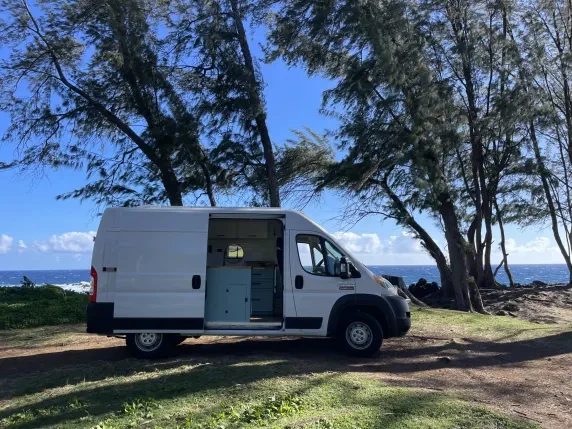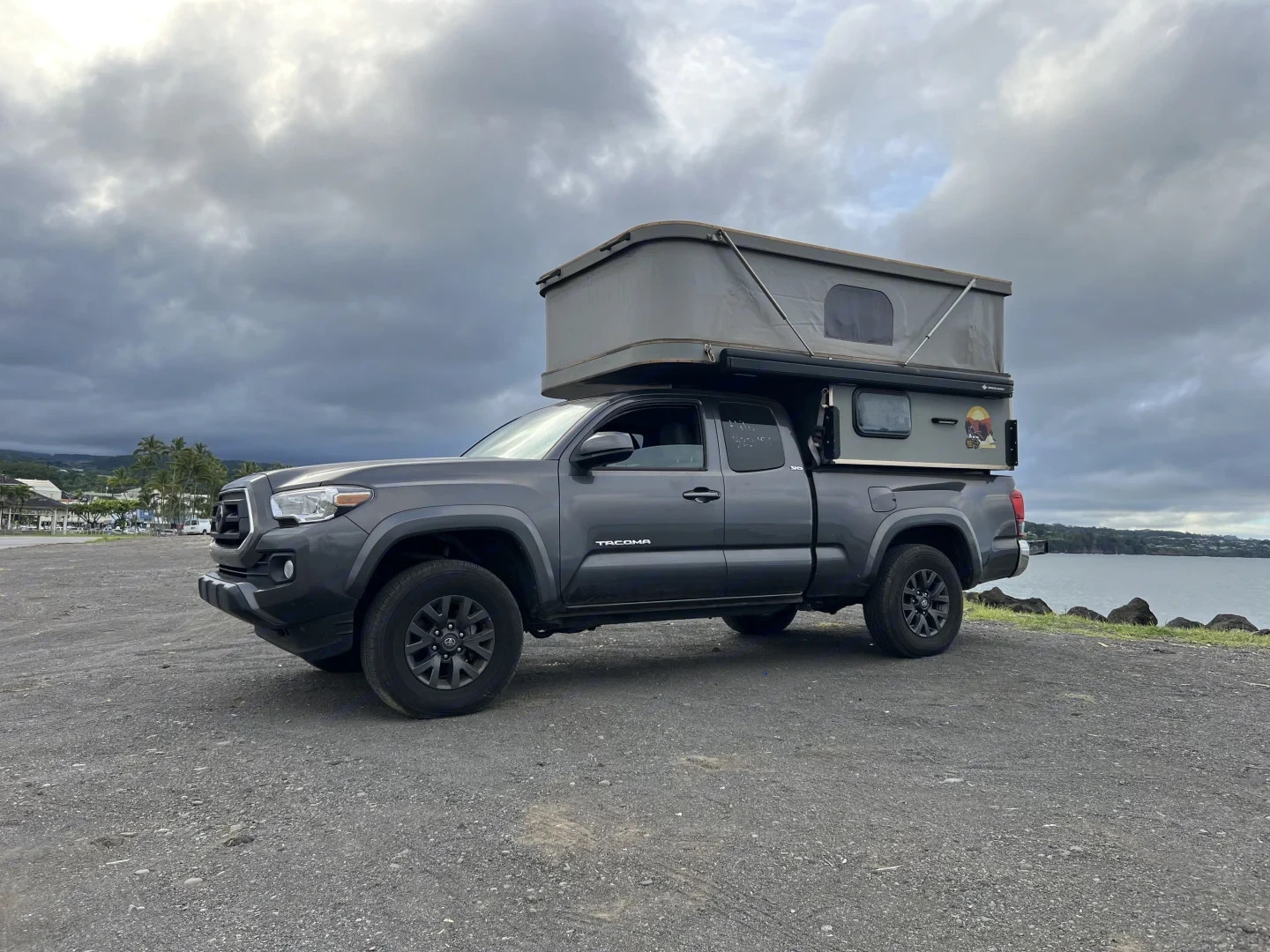
Many Hawaii campgrounds and popular island routes can be reached with a regular vehicle, compact SUV, or campervan, especially when you are staying at established campgrounds and using main roads.
A 4×4 can be helpful for certain remote beaches, dirt roads, sandy areas, or rugged campground access roads, but it is not required for every Hawaii camping trip. The best choice depends on your island, route, campground, weather, and rental agreement.
The simple answer: Choose your campgrounds first, then choose the vehicle that fits your route.
Why This Question Matters

Camping in Hawaii is different from a long mainland road trip. The islands are smaller, some roads are narrow, and many of the best camping areas have their own permit systems, parking setups, and overnight rules.
The question is not only, “Can this vehicle get there?”
It is also:
 Is this campground open for my dates?
Do I need a permit or reservation?
Is the access road paved or unpaved?
Is the vehicle allowed on that road?
Is the campground set up for tents, campervans, or both?
Will the route still be easy if it rains?
When you answer those questions first, choosing between a regular vehicle and a 4×4 becomes much easier.
When a Regular Vehicle Is Usually Enough
A regular vehicle is often enough for simple Hawaii camping trips. This is especially true if your route is focused on established campgrounds, paved roads, and easy access points.
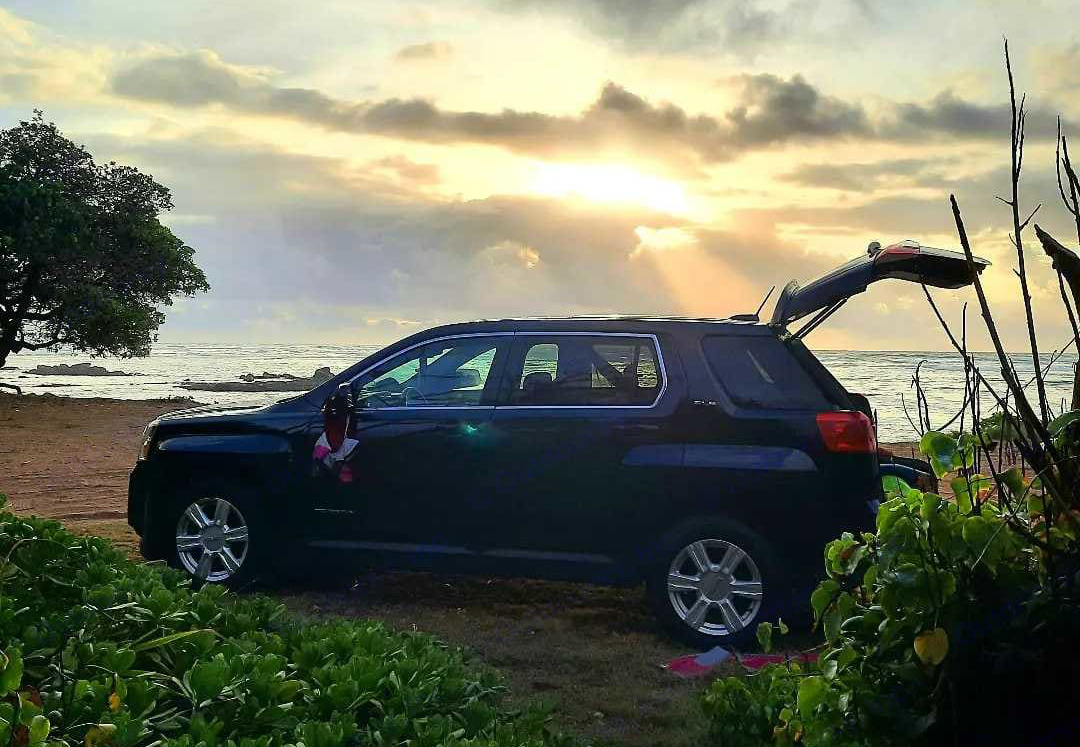
A regular campervan, compact SUV, or car may work well for:
many Oahu camping routes
private campgrounds with organized parking
beach parks with maintained access
short weekend-style trips
routes close to towns and services
travelers who want an easy, relaxed campground experience
For many visitors, this is the best way to enjoy Hawaii camping. You can keep the trip simple, spend more time enjoying the island, and avoid choosing more vehicle than you really need.
When a 4×4 Can Be Helpful
A 4×4 can be helpful when your route includes rougher access roads, sandy areas, or more remote-feeling stops.
One of the best-known examples is Polihale State Park on Kauai. Polihale is a beautiful west-side destination, but the road into the park is more rugged than a normal beach park road. Conditions can change with rain, sand, and maintenance, so it is one of the places where a more capable vehicle may make sense.
A 4×4 or higher-clearance setup may also be useful if you want:
more confidence on uneven dirt roads
better clearance for rougher campground access
a rooftop tent SUV setup
more flexibility for remote-feeling day trips
a vehicle that feels more prepared for changing road conditions
That said, a 4×4 is not always the best choice for every traveler. If your route is simple, a smaller campervan or SUV may be easier to drive, park, and use every day.
4×4, AWD, and High Clearance: What Is the Difference?
These terms can get confusing, especially when you are comparing campervans and SUVs online.
4×4 usually means the vehicle is built to send power to all four wheels when needed. This can help on rough, sandy, muddy, or uneven roads.
AWD means all-wheel drive. It can help with traction, but it is not always the same as a true 4×4 setup.
High clearance means the vehicle sits higher off the ground. This can help on uneven roads, dips, rocks, and rough entrances.
For Hawaii camping, high clearance can sometimes matter as much as 4×4. A low vehicle may be less comfortable on rough access roads, even if the road does not technically require four-wheel drive.
Check Your Rental Rules First
Before choosing a vehicle, always check the rental rules.
Some rentals may look adventure-ready, but the host or rental company may still limit where you can drive them. Certain dirt roads, beach roads, remote roads, or park access roads may have special restrictions.
Before booking, ask:
Is this vehicle allowed on my planned route?
Can I take it to the campground I want to visit?
Are there any roads I should avoid?
Is the vehicle 4×4, AWD, or just SUV-style?
Does the vehicle have enough clearance for my route?
What is the best setup for this island?
A good host will usually know which routes are a good fit for their vehicle. That local guidance can make your trip much smoother.
Island-by-Island Guide
Kauai
Kauai is where the 4×4 question comes up the most.
Many popular Kauai campgrounds and beach parks can be part of a simple camping route, especially if you are staying at places with easier access like Anini Beach Park, Anahola Beach Park, Salt Pond Beach Park, Kumu Camp, or Kōkeʻe.
The big exception many travelers ask about is Polihale State Park. Polihale is remote, scenic, and beautiful, but its access road is rougher than most visitor routes. If Polihale is part of your trip, check current road conditions and choose a vehicle that is suited for the drive.
Oahu
Oahu is usually the easiest island for camping without a 4×4. Many routes are closer to main roads, food stops, towns, and services.
For most Oahu campground trips, the bigger thing to plan is not 4×4 access. It is choosing the right campground, checking permit rules, and making sure your overnight setup matches the campground.
Oahu is a strong choice for first-time Hawaii campers because it gives you beaches, activities, and services without needing a rugged route.
Maui
Maui has a mix of easy coastal camping, mountain areas, and longer scenic drives. You may not need a 4×4 for many Maui trips, but your route matters.
If your trip includes Haleakalā, the Road to Hāna area, or more remote-feeling stops, check the road conditions and rental rules before you go. Some routes are more comfortable with the right vehicle, especially if you are carrying camping gear.
Maui is a great island for travelers who want variety: beach time, mountain views, scenic roads, and peaceful camping areas.
Big Island
The Big Island has the longest drives and the most variety in landscapes. You can move from beaches to lava fields, rainforests, ranchlands, and volcano areas in one trip.
A 4×4 is not required for every Big Island camping route, but distance, weather, and road type matter. Some areas are easy to reach, while others feel more remote.
If your route includes volcano areas, long rural drives, or less-developed roads, choose a vehicle that gives you comfort and confidence.
Campervan vs 4×4 SUV: Which Is Better?
For most Hawaii travelers, smaller vehicles are easier. A compact campervan, SUV, or rooftop tent setup is usually more practical than a large RV because island roads and parking areas can be tight.
Here is the simple comparison:
| Vehicle Setup | Best For |
|---|---|
| Regular campervan | Easy campground routes, comfort, paved roads, simple travel |
| Compact SUV | Flexible day trips, beach gear, shorter camping routes |
| 4×4 SUV | Rougher access roads, remote-feeling routes, extra confidence |
| Rooftop tent SUV | Travelers who want a camping setup with more road flexibility |
| Large RV | More space, but often less practical on smaller island roads |
Do You Need a 4×4 for Polihale?
Polihale State Park on Kauai is one of the main places where a 4×4 or higher-clearance vehicle may be helpful.
The park is beautiful, remote, and unforgettable, but the access road is not like a normal paved beach park entrance. Road conditions can change, especially after rain. If Polihale is on your list, check official updates, ask your rental host about the route, and choose a vehicle that is a good match.
Polihale can be a great adventure when planned well. Give yourself enough time, bring water and supplies, and keep your schedule flexible.
Can You Sleep in a Campervan Anywhere in Hawaii?
No. A campervan gives you flexibility during the day, but overnight stays still depend on campground rules and approved camping areas.
Some campgrounds are designed around tent camping, while some private campgrounds may be more flexible with campervan-style setups. Rules vary by island and campground, so always check before you book.
A helpful way to think about it is:
Use your campervan for the route. Use the campground rules for the overnight setup.
That keeps the trip easy, respectful, and well planned.
Simple Vehicle Checklist Before You Book
Before choosing your campervan, SUV, or 4×4, ask:
Which island am I visiting?
Which campgrounds do I want to stay at?
Are the roads paved, dirt, sandy, or uneven?
Do I need a permit or reservation?
Is my vehicle allowed on the route?
Does the campground allow my overnight setup?
How much gear am I bringing?
Will I be driving in rain or remote areas?
Is the vehicle easy to park and drive on island roads?
If the answer is still unclear, start with the campground route. Once you know your route, the right vehicle choice becomes much easier.
So, Do You Need a 4×4 for Camping in Hawaii?
Not always.
For many Hawaii camping trips, a regular campervan, compact SUV, or simple rental vehicle can work well, especially if you are staying at established campgrounds and using main roads.
A 4×4 or higher-clearance setup becomes more helpful when your route includes remote beaches, dirt roads, sandy areas, rugged campground access, or places like Polihale State Park.
The best plan is simple: choose your island, choose your campgrounds, check the route, then book the vehicle that fits your trip.