
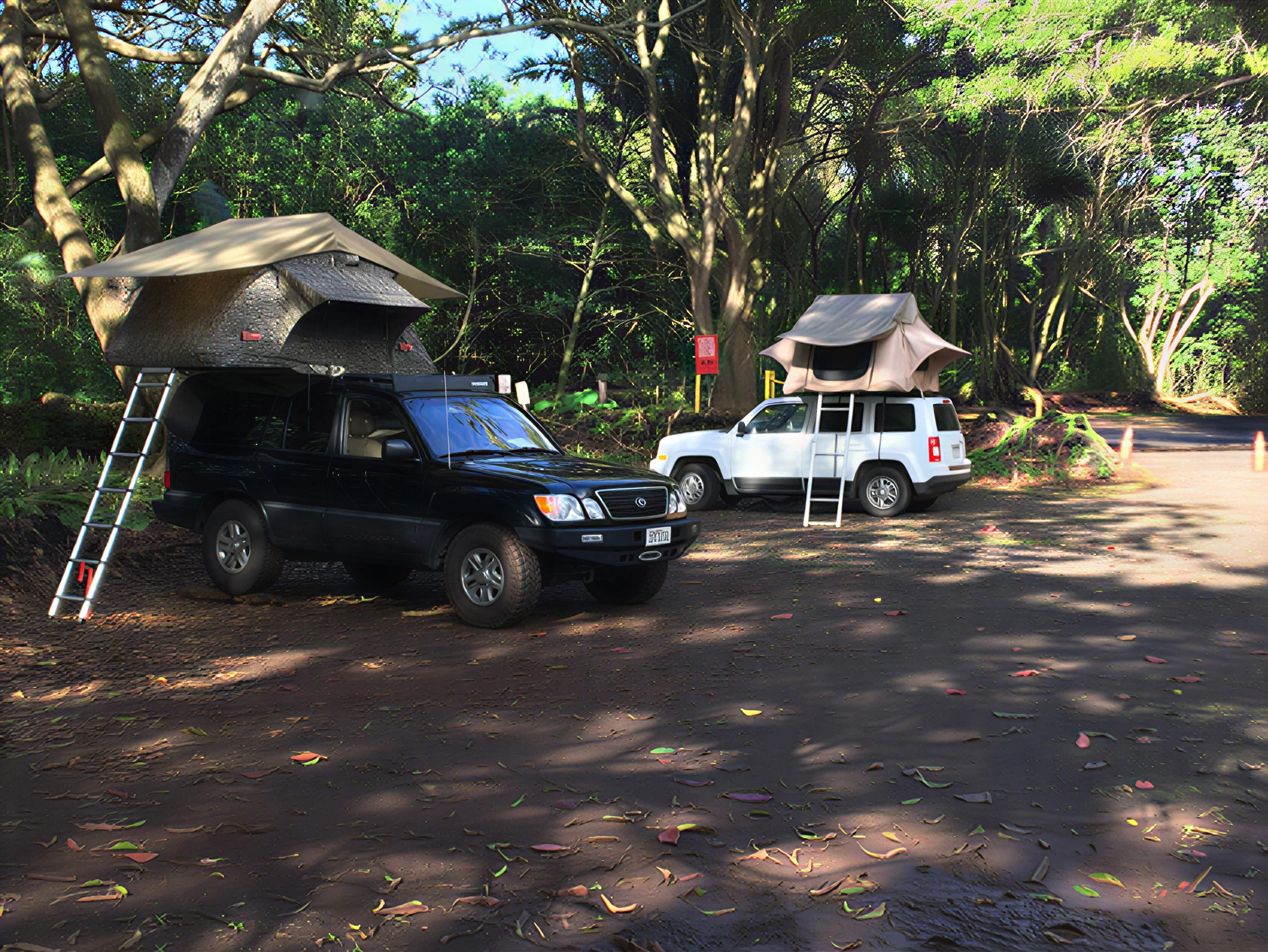
This guide breaks down the campervan rules travelers often overlook, so you can avoid fines, skip awkward situations, and enjoy a smoother trip. All information below reflects commonly enforced rules as of January 2026.
Renting a campervan in Hawaii sounds like the perfect plan. You get freedom, flexibility, and nonstop views. However, Hawaii has very specific rules around camping, parking, and sleeping in vehicles. Many tourists miss these details, and that’s where problems start.
You Can’t Sleep in a Campervan Just Anywhere
This is the biggest mistake tourists make.
In Hawaii, sleeping in a campervan outside approved campgrounds is illegal in most areas. It does not matter if:
 You stay inside the vehicle.
You arrive late and leave early.
You do not set up chairs or gear.
Overnight vehicle sleeping still counts as illegal camping. This rule is enforced and applies across the islands.
Stealth Camping Does Not Work in Hawaii
Stealth camping might work on the mainland, but it does not work here.
Trying to hide overnight by covering windows, parking quietly on streets, or blending in at beach lots often leads to tickets or a knock on the window in the middle of the night. Hawaii has limited space, so rules stay tight.
Beach Parking Is Not Overnight Parking
This one surprises many visitors.
Most beach parks:
Close at night.
Post clear “No Overnight Parking” signs.
Enforce fines or towing.
This applies on Oahu, Maui, Kauai, and Big Island. Always read the signs before settling in.
Not All Campgrounds Allow Campervans
Another common mix-up is assuming all campgrounds welcome vehicle sleeping.
In reality:
Many county campgrounds require tents.
Some state parks allow vehicles, others don’t.
Rules change by island and by park.
Always check if vehicle camping is allowed, not just “camping” in general.
Having a Tent Is Often the Better Option
If camping is part of your plan, bringing or renting a tent is often the safest choice in Hawaii.
Here’s why:
Many campgrounds allow tent camping but prohibit sleeping in vehicles.
A tent gives you more legal campground options.
You avoid fines or being asked to leave at night.
This is very common on Oahu, where vehicle sleeping rules are strict and enforced often. Many travelers rent a campervan for driving, storage, and cooking, then sleep in a tent at night. It’s simple, legal, and stress-free.
Now, I get it.Traveling with a tent and camping gear can feel like a hassle, especially if you’re flying in. That’s why we put together a guide on where to rent camping gear on Oahu, so you can camp worry-free without packing everything from home.
This camping gear rental guide is for Oahu only for now, but I’ll be covering where to rent camping gear on the other Hawaiian islands next, so you’ll have easy options no matter where you travel in Hawaii.
What You Should Prepare Before You Camp
Even if a campground is free, permits are often required in Hawaii. Many campgrounds need:
Online reservations made in advance.
A valid camping permit.
Specific check-in times.
Popular spots sell out quickly. If you arrive without a permit, you may be asked to leave.
Once you book, print your permit or save a clear digital copy on your phone. Cell service can be spotty near campgrounds, so don’t rely on being able to pull it up online. If the campground offers downloadable maps or PDFs, save those ahead of time as well.
Rules change often, some listings are outdated, and enforcement can vary by location. Always double-check official campground pages and posted signs when you arrive.
A little prep goes a long way and helps you avoid last-minute stress.
Important Note About Homelessness and Camping in Hawaii
This is something many guides avoid, but it matters.
Hawaii faces homelessness challenges. Because land is limited and housing costs are high, many people live near beaches, parks, and roadsides. This directly affects camping rules and enforcement.
What this means for travelers:
Some county and beach campgrounds may feel crowded or uncomfortable at night.
Police patrols are more common in certain areas.
Overnight vehicle rules are stricter due to past issues.
These rules exist to protect local communities and shared spaces. Because of this, many visitors prefer private campgrounds or well-reviewed, campervan-friendly locations where expectations are clear. If a spot feels off, trust your gut and move on.
Final Thoughts
Campervan travel in Hawaii can be amazing, but it works best with a little planning. Most issues tourists face come from small misunderstandings, not bad intentions.
Plan legal places to sleep, bring or rent a tent, respect posted signs, and stay mindful of local communities. Do that, and your Hawaii trip will feel relaxed, respectful, and memorable.
If you decide to rent a campervan, you can book through our Outdoorsy link and get 10% off when you use our code the current discount code (see lemondropcampers.com/outdoorsy-discount) at checkout. It’s an easy way to save money while doing things the right way.