
Introduction
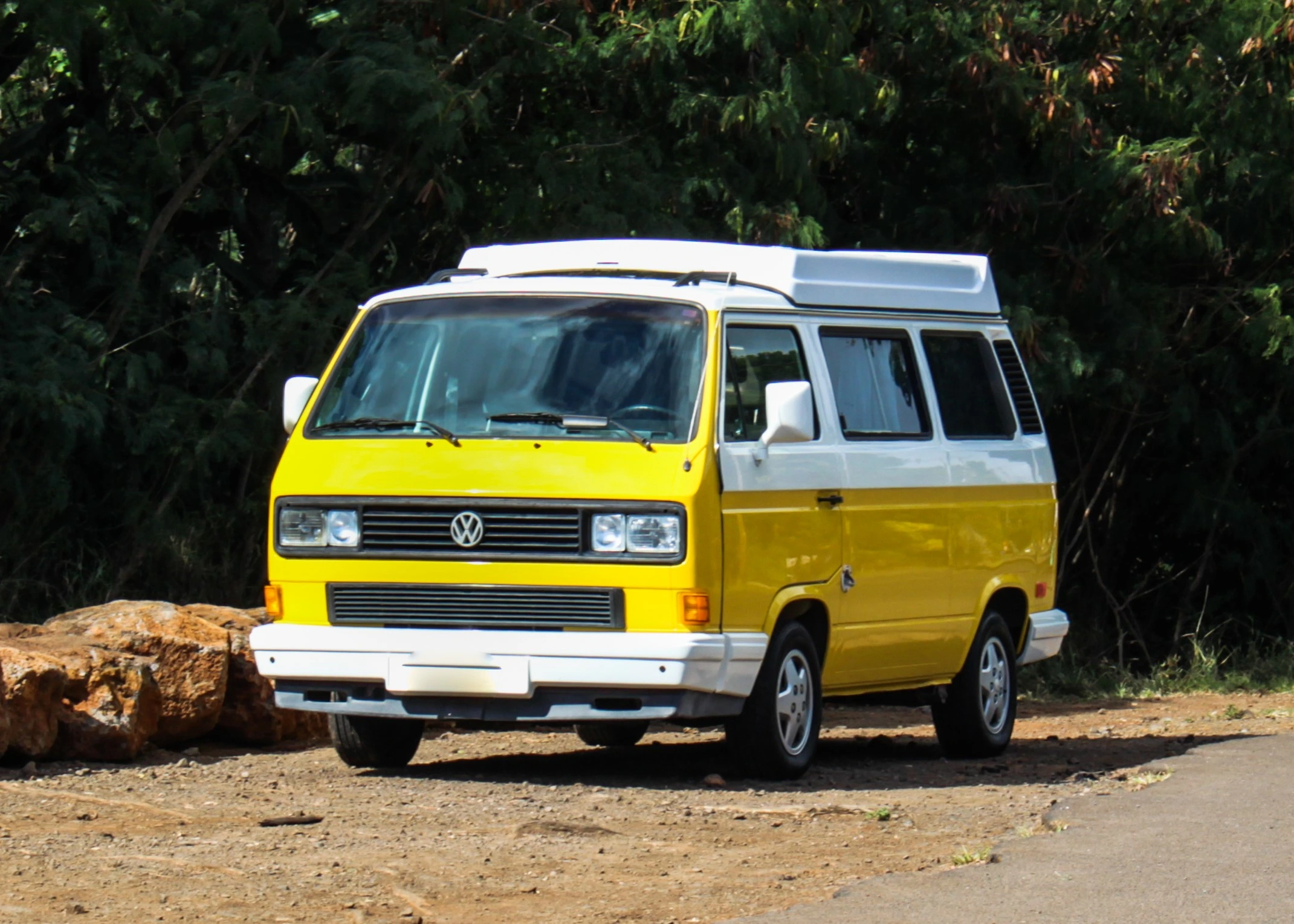
You’ve got your campervan booked, your bags ready, and Oahu’s beaches calling your name. With only three days to explore, you might wonder how to see the island’s best spots without rushing.
This guide is for travelers who want the perfect mix of adventure and rest, from sunrise hikes to quiet nights by the ocean. I’ll share the best route, where to camp, and what to expect on the road. This 3-days Oahu itinerary is ideal for quick getaways.
Before You Go: Permits, Rules, and What Campervan Travelers Must Know
Camping on Oahu is managed by two main offices: Hawaii State Parks and the City and County of Honolulu. Each one has different booking times, rules, and closures.
Hawaii State Parks:
- Book 30 days before your trip through the Hawaii Division of State Parks Reservations.
- Most parks close for camping on Wednesday and Thursday nights.
City and County of Honolulu Campgrounds:
- Book 14 days before your trip at 5:00 pm. HST through Honolulu Camping Permits.
- These campgrounds close from Wednesday afternoon to Friday morning.
Important: Even if you have a campervan, bring a tent. Most public campgrounds only allow tents. You can park your campervan overnight only at a few private campgrounds.
Pro Tip: Book your Oahu campervan early and use code the current discount code (see lemondropcampers.com/outdoorsy-discount) on our Outdoorsy link to save 10% off at checkout.
Three (3) Day Oahu Camping Itinerary
Day 1: Waikiki, Diamond Head, and the North Shore
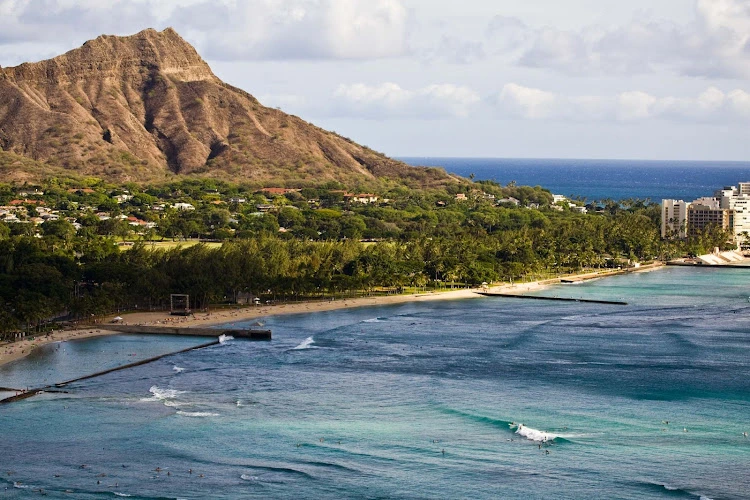
After landing in Honolulu, I took a deep breath and let the island air sink in. That mix of salt and sunshine always feels like the start of something good. My first stop was to pick up the campervan, my little home on wheels for the next few days. If you haven’t rented one yet, check out our guide on the best campervans on Oahu under $100 or browse options on Outdoorsy. It makes your first night easier and more comfortable.
Start of Adventure:
Once I got everything packed, I drove straight to Waikiki. The city was already alive, surfers catching early waves, and the sky slowly turning pink and gold. For breakfast, I stopped by Rainbow Drive-In near Kapahulu Avenue. I ordered the Loco Moco Plate ($11–12), which comes with two hamburger patties on rice, topped with rich brown gravy and two eggs, plus a side of macaroni salad. The flavors were comforting and filling, setting the tone for the day.
With my stomach full, I headed for Diamond Head Summit Trail. The climb is 0.8 miles one way with about 560 feet of elevation gain. The trail has stairs, narrow tunnels, and lookout points that make the hike exciting and scenic. I recommend starting early to avoid crowds, the last entry is at 4 pm, and the gates close at 6pm. From the top, the view of Waikiki and the Pacific Ocean stretches endlessly. It’s also a perfect spot for sunrise photography. Non-residents must book tickets online, $5 per person plus $10 for parking. I always go early before it gets hot.
After the hike, I grabbed a drink (always bring your own water) and hit the road. The drive from Waikiki to the North Shore takes about 2 hours (approx. 55 miles) along the scenic east coast route. I made stops at Halona Blowhole Lookout to watch the waves shoot through the lava rocks, the best time for the spout is when the tide is high. Then I paused at Makapu’u Point to stretch my legs along the cliffside trail and enjoy the lighthouse view over the turquoise ocean. The wind was strong, and I could taste salt in the air the whole way.
How and Where to Camp:
By late afternoon, I reached Mālaekahana State Recreation Area, one of my favorite places to camp on Oahu. The area is quiet and shaded by tall ironwood trees, with a long sandy beach that glows orange at sunset.
Camping here requires a state permit booked a few days ahead. Mālaekahana allows tent camping only and is open from Friday through Wednesday nights. The gates close in the evening, and they don’t allow generators, alcohol, or loud music. Facilities are simple — restrooms, outdoor showers, and picnic tables but there’s no drinking water, so I always bring my own.
That night, I cooked instant noodles and local vegetables over a small stove while watching the sun set. After dinner, I lay on the sand and looked up at a sky full of stars, with only the sound of the waves keeping me company.
If you don’t have camping gear, check our guide on where to rent equipment on Oahu for less hassle camping.
Camping Tonight:
- Mālaekahana State Recreation Area. Tent-only, open Friday to Wednesday, with permits.
- Alternative: Kualoa Regional Park, which offers beachfront camping with views of Mokoliʻi Island. Reservations through the City and County of Honolulu are required, and spots book fast.
Day 2: North Shore Surf, Shrimp Trucks, and Sunset Views
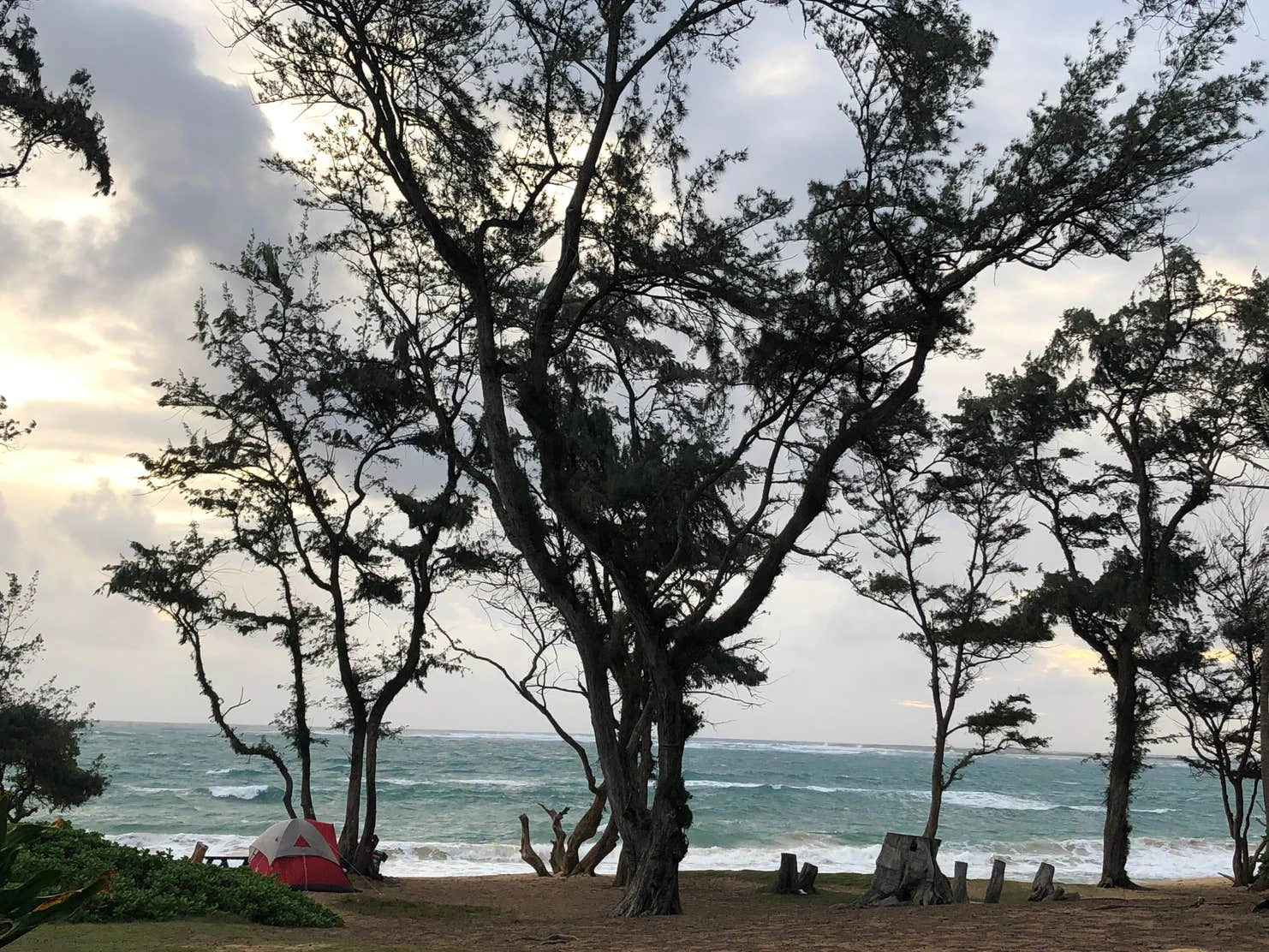
The sound of waves woke me up at Mālaekahana. The morning air was cool and smelled faintly of pine from the trees nearby. After packing up, I drove about 15 minutes (7 miles) to Haleʻiwa Town, the laid-back heart of the North Shore.
My day always starts better with good coffee, so I stopped at Coffee Gallery, a small café filled with the smell of freshly roasted beans. I ordered a macadamia nut latte and a slice of banana bread, both warm and sweet, perfect for a slow morning.
From there, I followed the coastline to Waimea Bay, Sunset Beach, and Banzai Pipeline. In winter, the waves can reach 30 feet, and watching surfers ride them is pure thrill. In summer, the ocean turns calm and glassy. When it’s safe, I love jumping off the big rock at Waimea Bay — about 20 feet high and straight into clear blue water. It’s one of those Oahu moments you never forget.
By noon, I was hungry and stopped at Giovanni’s Shrimp Truck in Kahuku. I got the Garlic Shrimp Plate ($13–16), a dozen shrimp cooked in garlic butter, served over rice with a lemon wedge. Eating here is casual — picnic tables, some shade, and the smell of garlic in the air. Watching the trucks line up and locals grabbing their lunch made it feel authentically North Shore.
After lunch, I rested under a palm tree or walked around the small local shops selling fruit and crafts. Later, I drove about 40 minutes (20 miles) south to Kualoa Regional Park for the next camping spot. The park offers views of Mokoliʻi Island, and the calm beachfront is perfect for a late afternoon stroll or casual kayaking if you bring your gear.
How to Camp:
You’ll need to apply for a camping permit online, usually up to two weeks ahead. Fires are allowed only in designated rings, and quiet hours start at 10 pm.
That evening, I cooked grilled vegetables and pre-marinated chicken near the shore. As the sun dipped behind Mokoliʻi, the sky turned gold and then deep red. The waves softened, and the park grew calm, a perfect end to the day.
Camping Tonight:
- Stay another night at Mālaekahana State Recreation Area or move to Kualoa Regional Park, depending on your permit.
Day 3: Lanikai, Kailua, and a Scenic Drive Back
I woke up before sunrise, packed my tent, and started the drive toward the Windward Coast. The road curved between green mountains and the sea, and the views alone made the early start worth it. It took about 45 minutes (22 miles) to reach Lanikai Beach, famous for its powdery white sand and calm turquoise water.
Before swimming, I tackled the Lanikai Pillbox Hike (Kaiwa Ridge Trail). The trail is 1.5 miles round-trip, climbs about 615 feet, and offers sweeping views of Mokulua Islands and the windward coast. Early morning is the best time for soft light and fewer hikers.
After the hike, I stopped in Kailua Town for brunch at Over Easy. The café’s bright and airy space made it hard to leave. Their Custard French Toast ($14) is a must-try — thick slices of sweet bread soaked in custard, crusted in Cinnamon Toast Crunch cereal, and pan-fried to a perfect crispness. It’s paired with a house-made crème fraîche flavored with blood orange. The flavors were indulgent and comforting, a perfect treat after a morning of hiking.
On the way back to Honolulu, I stopped at Nuuanu Pali Lookout. The wind was strong enough to push me back a little, but the sweeping view of Oahu’s valleys and coast took my breath away.
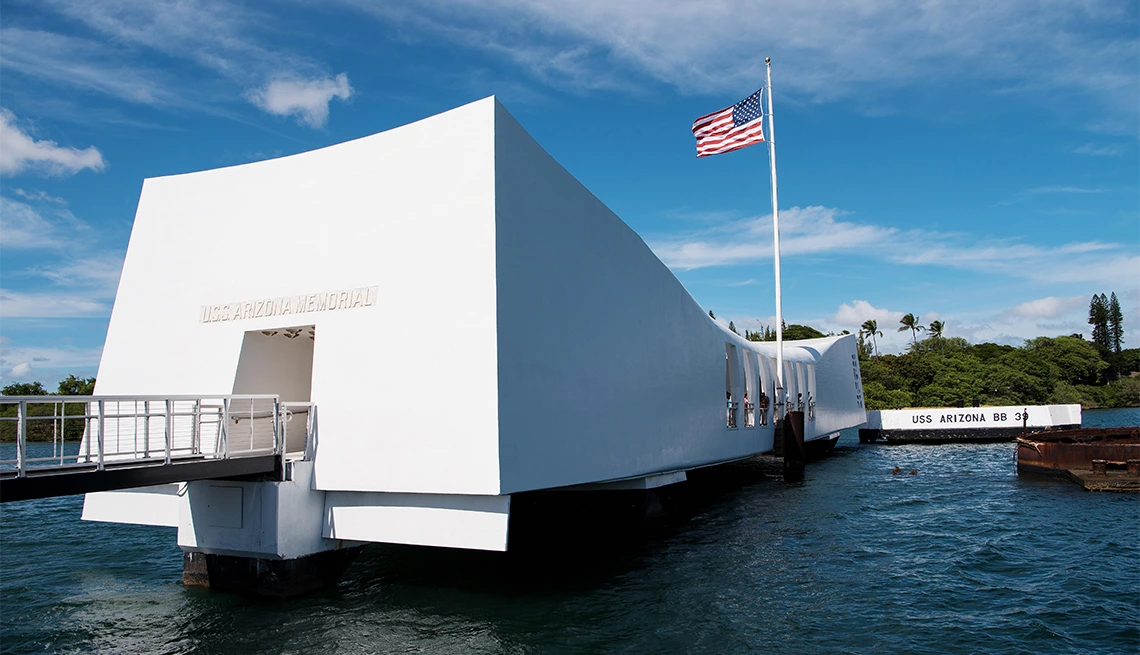
Before returning my campervan, I visited Pearl Harbor National Memorial. Standing there in the quiet, looking out at the USS Arizona Memorial, always gives me a deep sense of reflection.
To end the trip, I stopped for shave ice at Island Snow Kailua. Their large shave ice ($5.50) comes with your choice of flavors. I went with cherry and pina colada and a scoop of vanilla ice cream inside. The combination was refreshing and sweet, the perfect last taste of Hawaii before my flight home.
Camping Tonight:
- None. This is the last day. Drive back to Honolulu, return your campervan, and relax before your flight.
Packing and Prep Checklist (Campervan Edition)
Bring a tent with stakes, even if you’re in a campervan, since most public campgrounds require it. Pack reef-safe sunscreen, a light rain jacket, and a cooler for your food and drinks. Keep printed and digital copies of your permits.
Wear comfortable shoes for hiking, and carry a flashlight or headlamp for evenings at the campsite.
Safety, Etiquette, and Leave No Trace
Follow quiet hours and respect local residents at every campsite. Always take your trash with you and avoid touching coral or marine life. Use only the fire pits that are provided. Leave each campsite clean and ready for the next camper.
The Best Campervan for Your 3-Day Oahu Trip
The best camping trips in Oahu are the ones where you slow down and enjoy every moment. Stop by a roadside fruit stand, take an extra swim, or stay a little longer to watch the sunset.
Book your campervan early, prepare your permits, and enjoy every step of the journey. You will leave Oahu with memories that will stay with you forever.
Book your campervan now on Outdoorsy and use code the current discount code (see lemondropcampers.com/outdoorsy-discount) for 10% off at checkout. You can also choose your campervan below.