
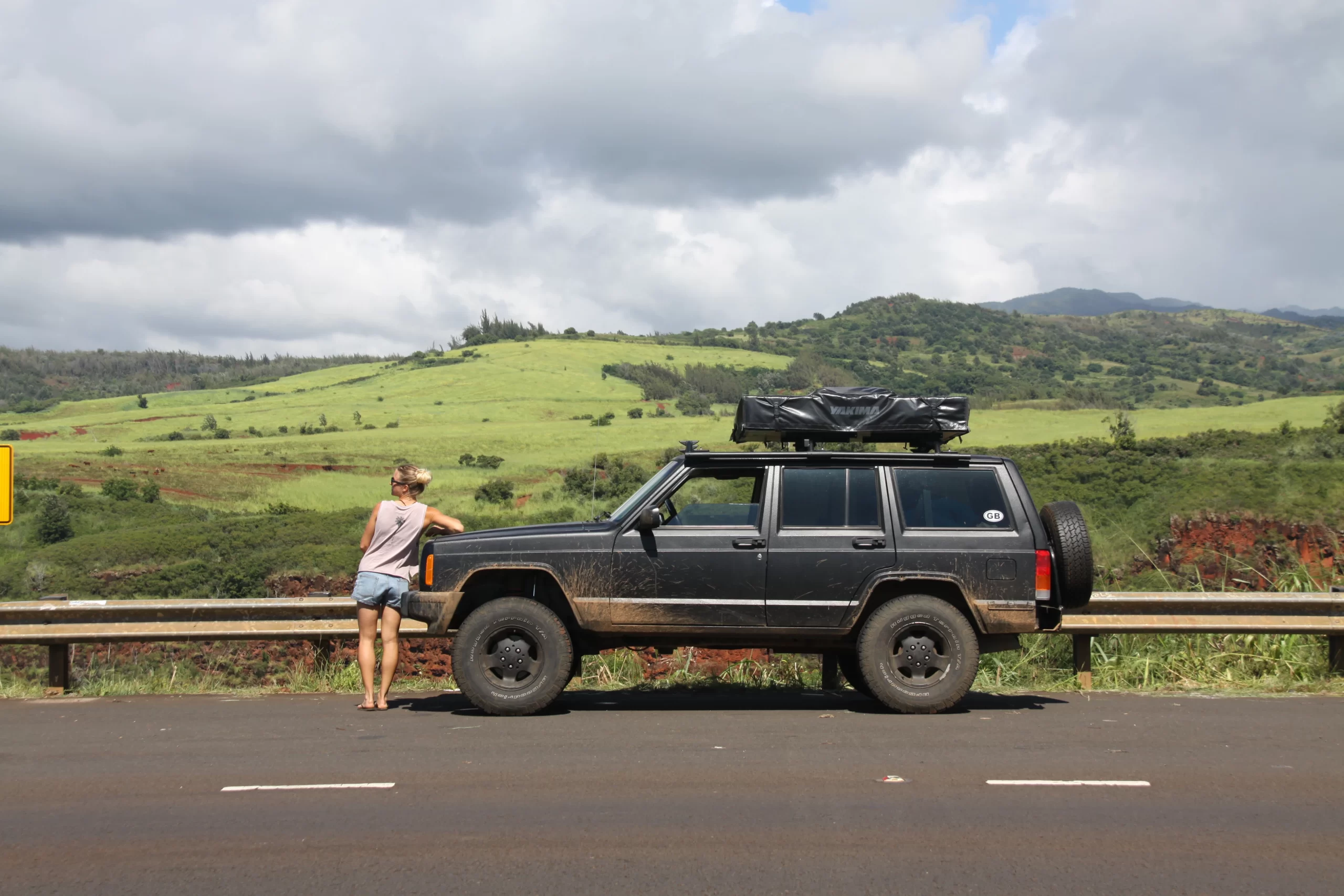
The Big Island of Hawaii feels like several worlds in one. In just a week, you can walk on black sand beaches, hike through steaming craters, swim with manta rays, and watch waterfalls tumble through rainforest cliffs. At almost 4,000 square miles, this island is bigger than all the other Hawaiian islands combined, so the best way to truly experience it is to take your time, move around, and camp under the stars.
This 7-day camping itinerary is designed to take you on a full circle around the island. You’ll start and end in Kona, moving through different landscapes each day. We’ve chosen the most campervan-friendly campgrounds, added cultural and natural highlights, and given you ideas for food, hikes, and local stops. The goal is simple: to help you slow down and feel the rhythm of Hawaii.
We’re always updating this list with new details and booking links. As of September 2025, this is the best info you’ll find about camping itinerary on the Big Island.
Essential Pre-Trip Tasks
Before you head out, a little planning will make everything smoother:
- Book your campervan early. Our vans at Lemon Drop Campers Big Island book quickly, especially during peak seasons. You can also check Outdoorsy and use the code LMONDROP10 to get 10% off for extra options and insurance.
- Get camping permits. County parks require permits via Hawaii County’s camping portal, state parks and Forest Reserves use the DLNR system, and national parks like Hawaii Volcanoes have their own NPS reservation system.
- Download offline maps. Phone service fades in many rural areas. Save Google Maps or Maps.me to guide you even without signal.
- Pack light layers. Nights in Volcano and Waimea can get chilly, while Kona stays hot.
- Shop local. Farmers’ markets in Kona, Hilo, and Waimea are perfect for fresh fruit, coffee, and snacks to enjoy along the way.
Day 1: Kona Arrival — Lava Fields, Sunshine, and Ocean Breeze
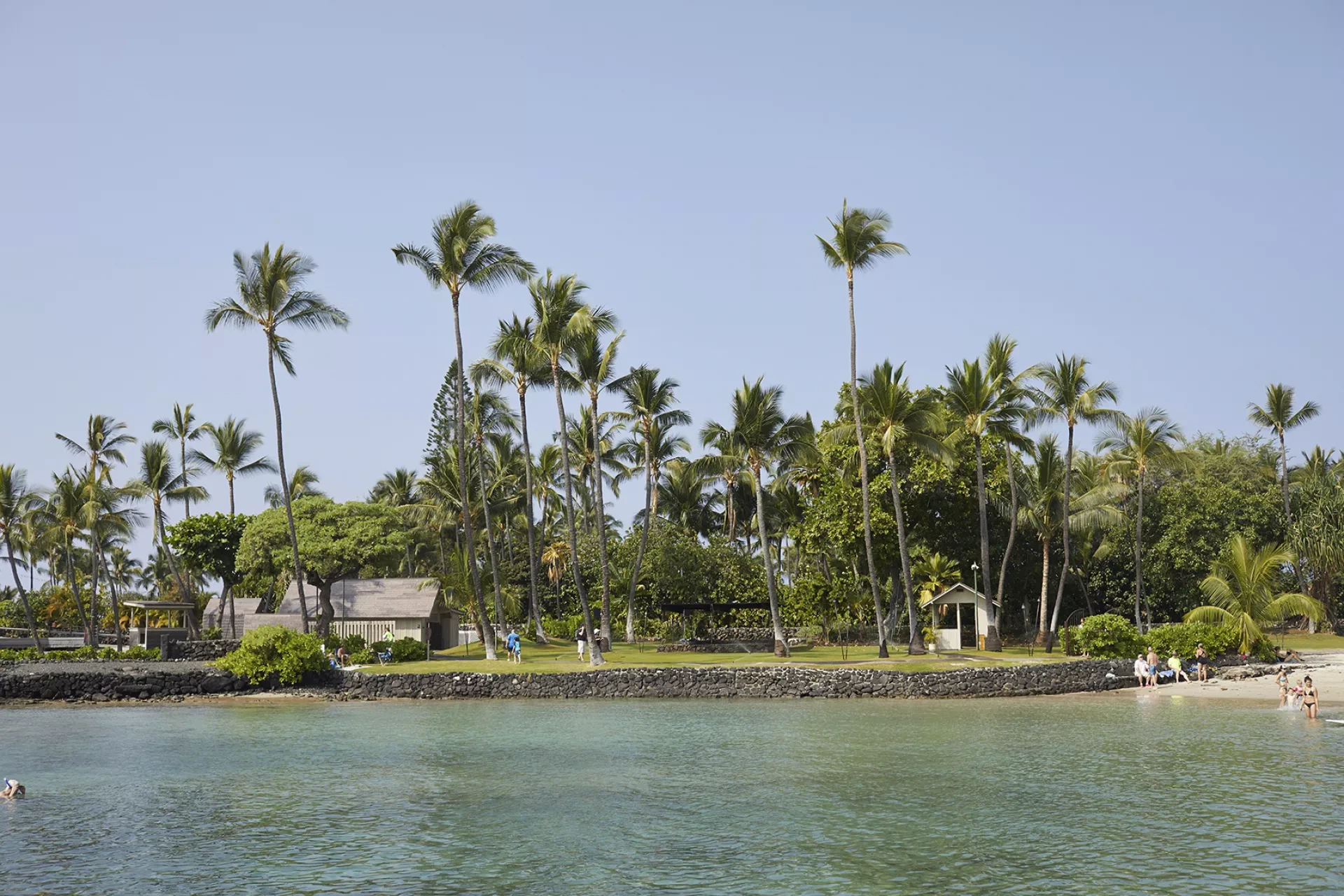
Flying into Kona feels like stepping into summer. As you leave the airport, you’ll see sections of black lava flows interspersed with grassy and scrubby coastal vegetation. The air is warm and often fragrant with tropical blooms and sea salt.
Start your trip slowly. Pick up your van, stop in Kailua-Kona for groceries, and wander through the small downtown where shops face the ocean. You might enjoy a local plate lunch or shave ice from one of Kona’s popular eateries before heading north.
Your first campsite options are close by:
- Spencer Beach Park: Shady trees, grassy sites, calm swimming, lifeguards, and showers. Perfect if you want to settle in with comfort.
- Ho‘okena Beach Park: Rustic, lively, and right on the sand, with snorkeling opportunities and a more local vibe.
Spend the afternoon wading in the ocean, floating on the gentle waves, or simply resting on the sand as the sun beats down. Kona’s coastline is famous for clear water and fiery sunsets, and tonight you’ll understand why.
Evening highlight: If you want to begin with something unforgettable, book a manta ray night snorkel. As you float under the stars, giant manta rays swoop gracefully beneath you, feeding on plankton drawn to lights. It’s one of the most magical wildlife experiences in Hawaiʻi. If you prefer a quiet night, sit outside your tent, let the waves be your music, and ease into the rhythm of island life.
Day 2: South Kona — Coffee, Culture, and Coral Reefs
Wake to the soft crash of waves and roosters calling in the distance. Today you’ll explore South Kona, a place where history, tradition, and ocean life all come together.
Start with breakfast at The Coffee Shack, perched high above Kealakekua Bay. Order a strong cup of Kona coffee and a slice of banana bread while you look out over the sparkling bay below. The view stretches for miles, with green hillsides sloping down to the ocean.
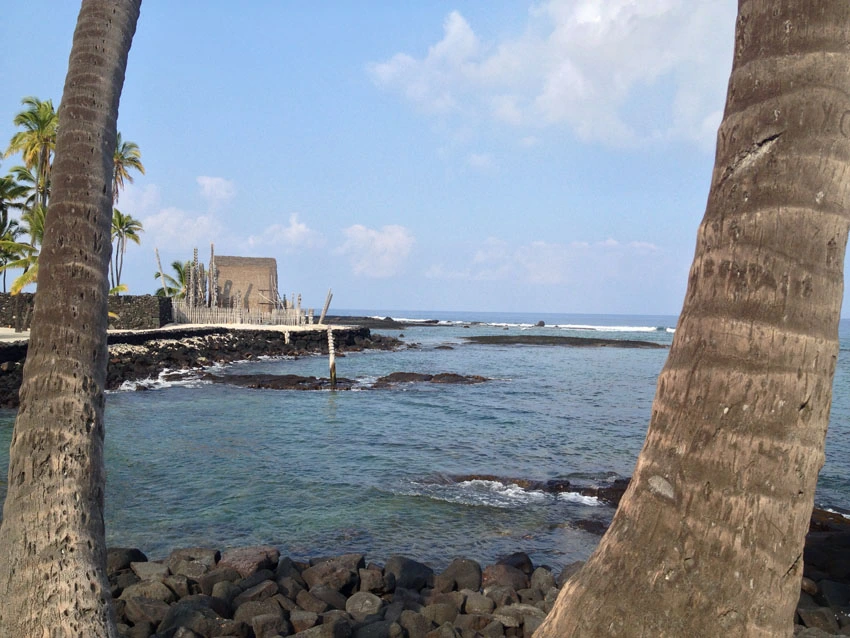
From here, head to Puʻuhonua o Hōnaunau National Historical Park. This sacred place was once a refuge for those who broke ancient laws. Walking among the reconstructed temples, carved wooden kii statues, and stone walls, you feel the weight of Hawaiian history. The coastline here is wild and rocky, with waves exploding against black lava — a reminder of the island’s power.
Next door is Two Step, one of the most loved snorkeling spots on the island. Walk across the lava ledges and step carefully into the water, where coral reefs bloom with color. Schools of yellow tangs dart past, parrotfish crunch coral, and sometimes a sea turtle glides by with ease. It’s a living aquarium, just a few feet from shore.
Evening brings choices. You can head back to camp and cook dinner under the stars, or if you didn’t swim with manta rays on your first night, tonight is another chance. Few places in the world let you watch these gentle giants so closely.
Day 3: Kaʻū and Volcano — Black Sand and Fire’s Edge
Today takes you south through Kaʻū, the island’s remote southern district. The drive itself feels like a journey, with stretches of open land and sea views.
First stop: South Point (Ka Lae), the southernmost place in the United States. The cliffs here rise above turquoise water, and fishermen cast lines into the deep sea. If you’re brave, you’ll see people leap from the cliffs into the waves below.
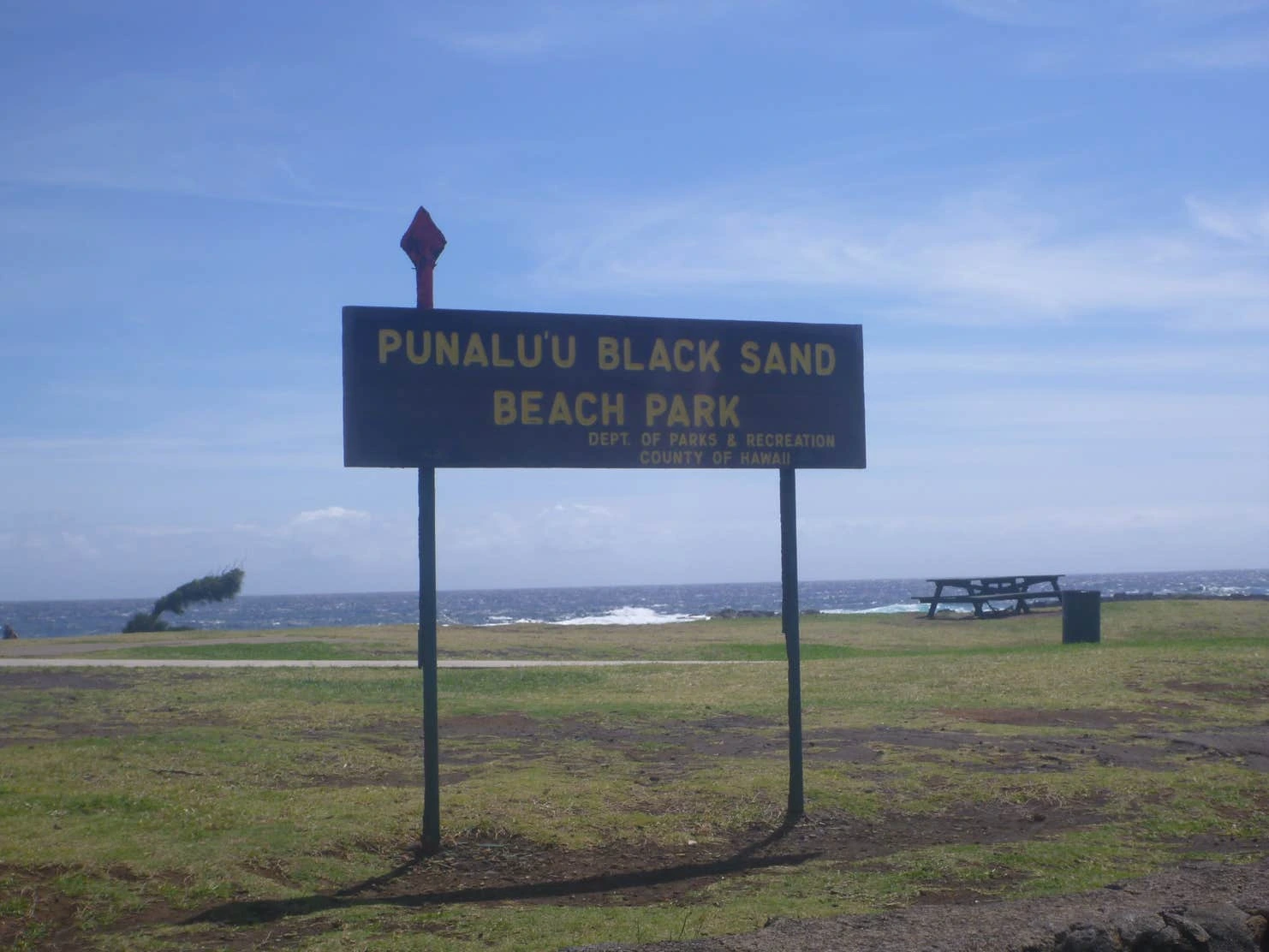
Next, visit Punaluʻu Black Sand Beach, where the sand glitters in the sun like powdered obsidian. Hawaiian green sea turtles often rest on the shore, looking like polished stones until they lift their heads. It’s a perfect place for a picnic lunch.
By afternoon, you’ll reach Hawaiʻi Volcanoes National Park. Stop at the visitor center for trail updates and then explore:
- Kīlauea Iki Trail: Hike down through rainforest, across a cooled lava lake, and back up the crater rim. The ground still holds warmth.
- Thurston Lava Tube: A tunnel carved by flowing lava, dim and echoing with history.
- Chain of Craters Road: A winding drive past old lava flows, ending at the sea where the Hōlei Sea Arch stands.
At sunset, return to the Kīlauea caldera overlook to watch the sky glow over one of Hawaii’s most powerful landscapes. If the volcano is actively erupting, you may see a glow lighting up the sky — but activity changes often, and sometimes there is no visible lava. Even if not, standing here at night with stars shining above is an awe-filled moment you won’t forget.
Day 4: Puna — Roads Through Lava and Jungle
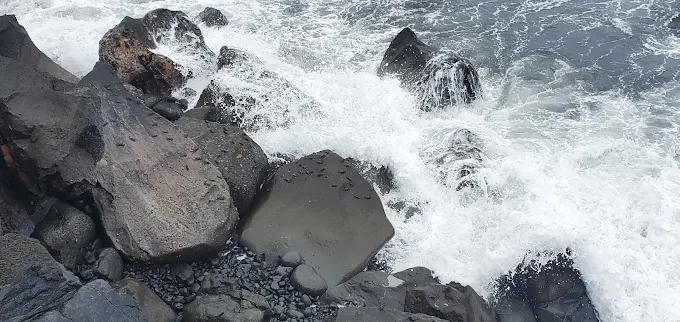
Pack up and head east into Puna, a place where lava, jungle, and community blend together. The landscape here is striking — black lava fields broken by sudden bursts of green ferns and wildflowers.
Drive the scenic Red Road (Highway 137), a lush coastal route winding past lava flows and tropical forest canopies—once paved in red cinder, now covered in asphalt. Stop at Kaimū Black Sand Beach, a shoreline still forming after past eruptions. The beach is narrow and rocky, not suitable for swimming, but an impressive example of new land being created.
Further along, visit Isaac Hale Beach Park (Pohoiki). Since the 2018 eruption, this area has been reshaped and is sometimes under restoration or closure; check county updates before planning a stop. It’s one of the few places where you can literally see a new landscape being born.
In the afternoon, wander through Pāhoa, a colorful town with small shops, murals, and cafés. Grab dinner here — Thai food, pizza, or local Hawaiian barbecue — before settling in for the night.
Camping in Puna is limited, so many return to Volcano for another night beneath the trees, where the air chills, the stars shine bright, and the silence is soothing after a full day of exploration.
Day 5: Hilo — Gardens, Rain, and Waterfalls
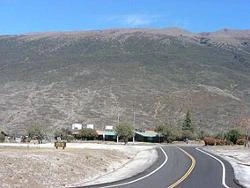
Drive an hour north to Hilo, the island’s largest town and a place full of life, rain, and greenery. Here, rain feeds rivers, gardens bloom, and the pace feels calm.
Start your day with breakfast at Ken’s Pancake House, a Hilo landmark where locals gather for hearty plates. After, stroll through the Hilo Farmers Market, one of the best in Hawaiʻi. Taste sweet papayas, sample local honey, and pick up fresh breadfruit or coffee beans to take home.
Spend your morning exploring waterfalls:
- Rainbow Falls, best in the morning when mist often creates a rainbow.
- Boiling Pots, where water tumbles through lava pools.
- ʻAkaka Falls, just a short drive away, where water plunges 442 feet into a lush gorge.
In the afternoon, slow down at Liliʻuokalani Gardens, a Japanese-style garden with koi ponds, stone lanterns, and arched bridges. It’s a peaceful place to sit, reflect, and watch the clouds roll by.
Evening highlight: Drive up Saddle Road to Maunakea’s Visitor Information Station (Halepōhaku) for stargazing. The high elevation may require acclimatization, and if you plan to go beyond the visitor center toward the summit, a 4WD vehicle is recommended.
Day 6: Hāmākua Coast — Cliffs, Valleys, and Old Sugar Towns
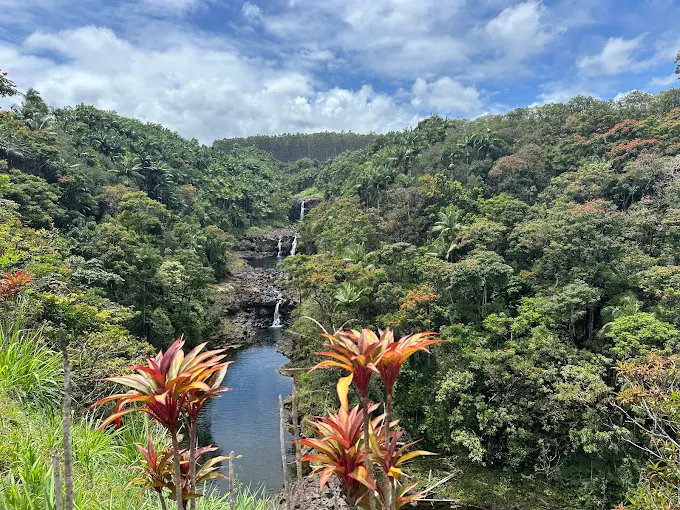
Head north from Hilo along the Hāmākua Coast, where lush rainforest meets dramatic cliffs. The road twists past gulches, waterfalls, and ocean views that open suddenly around bends.
Stop at ʻAkaka Falls (if you missed it yesterday) or Umauma Falls, where three cascades drop into pools. Walk the trails, listen to the roar of water, and breathe in the damp, green air.
Continue to Honokaʻa Town, once a sugar plantation hub. Today it’s filled with art shops and cafés. Don’t miss a stop at Tex Drive-In for malasadas — Portuguese-style doughnuts that are warm, sweet, and fluffy.
End the day at Waipiʻo Valley Lookout. From here, you’ll see steep cliffs framing a deep valley lined with taro fields. The road down into Waipiʻo Valley is closed to the general public due to safety concerns, so you can enjoy the view from the lookout or join an authorized local tour if available.
Camp nearby in Waimea, where the air is cooler and the stars shine bright, or return toward the coast for a seaside campsite.
Day 7: North Kohala — Valleys, Villages, and Farewell Sunset
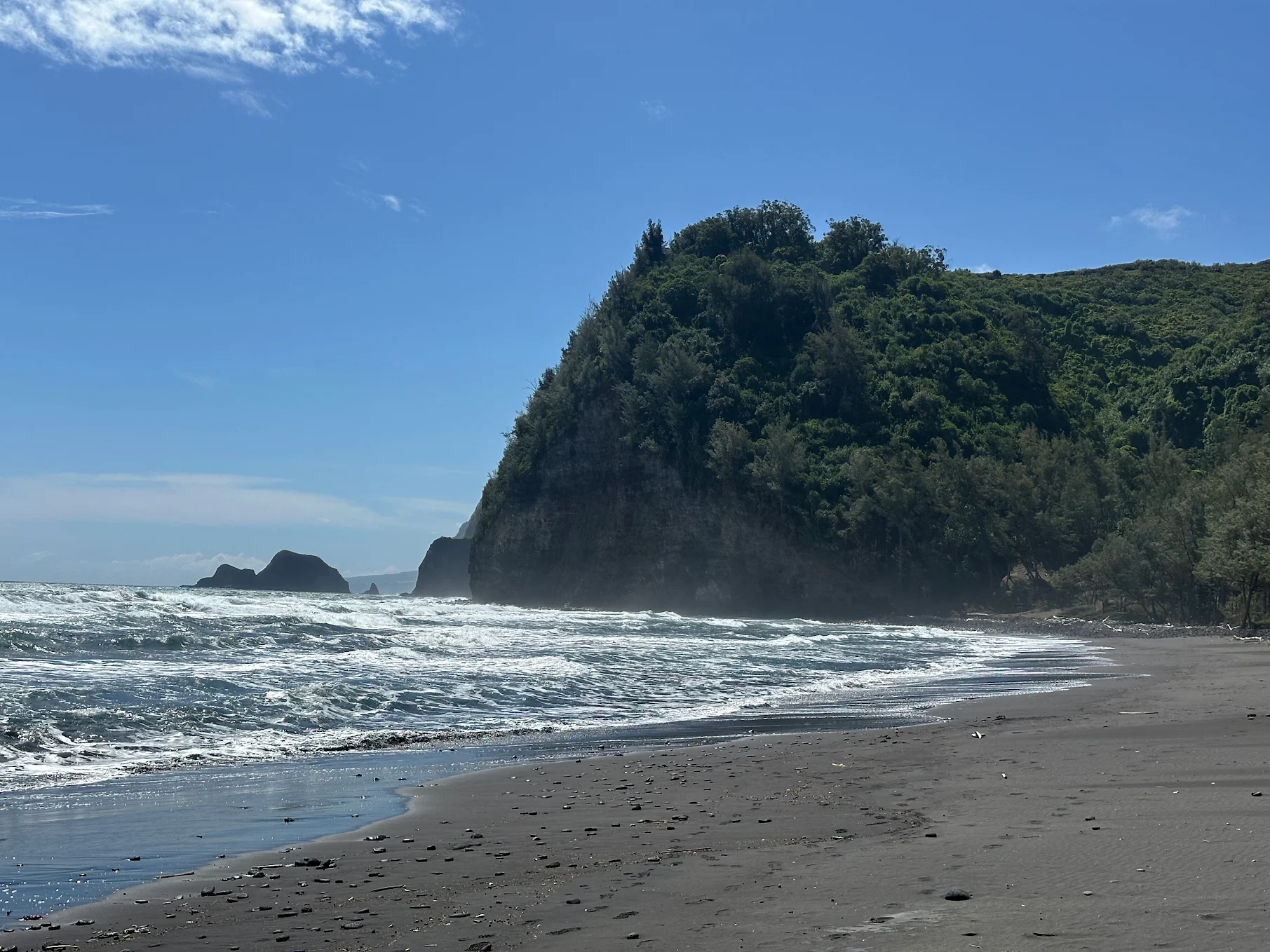
Your final day takes you into North Kohala, one of the island’s most peaceful regions. Rolling green hills give way to rugged cliffs and deep valleys.
Stop in Hawi, a small town filled with art galleries, boutiques, and cafés. It’s a good place to pick up souvenirs or sip one last local coffee.
Continue to Pololū Valley Lookout, where the road ends. From here, hike down to the black sand beach, surrounded by steep cliffs and ironwood trees. It’s a fitting final adventure, full of beauty and calm.
On your way back to Kona, stop at Kua Bay, one of the island’s most stunning white sand beaches. The water here shines turquoise, and the sand is soft under your feet. Take a last swim, watch the sun sink into the ocean, and let the island say goodbye in its own perfect way.
Best Big Island Camping Itinerary
This 7-day camping itinerary takes you across Hawaii Island’s incredible contrasts — from lava deserts to lush rainforests, waterfalls to white-sand beaches, hidden valleys to star-filled skies.
Camping means you’re not just visiting — you’re living alongside the island, waking with the sunrise, listening to the waves or birds at night, and feeling the cool trade winds while you rest.
Travel slow, respect the land, and honor the places and people who make the Big Island special. Leave only footprints, carry home memories, and you’ll find the island’s aloha spirit will always welcome you back.
Don’t visit Hawaii without renting a campervan in advance, and when you rent with Lemon Drop Campers you can get 10% off your rental by using the code LMONDROP10 at checkout. Click on the vehicles below to see more.