
List Your RV for Free with Lemon Drop Campers
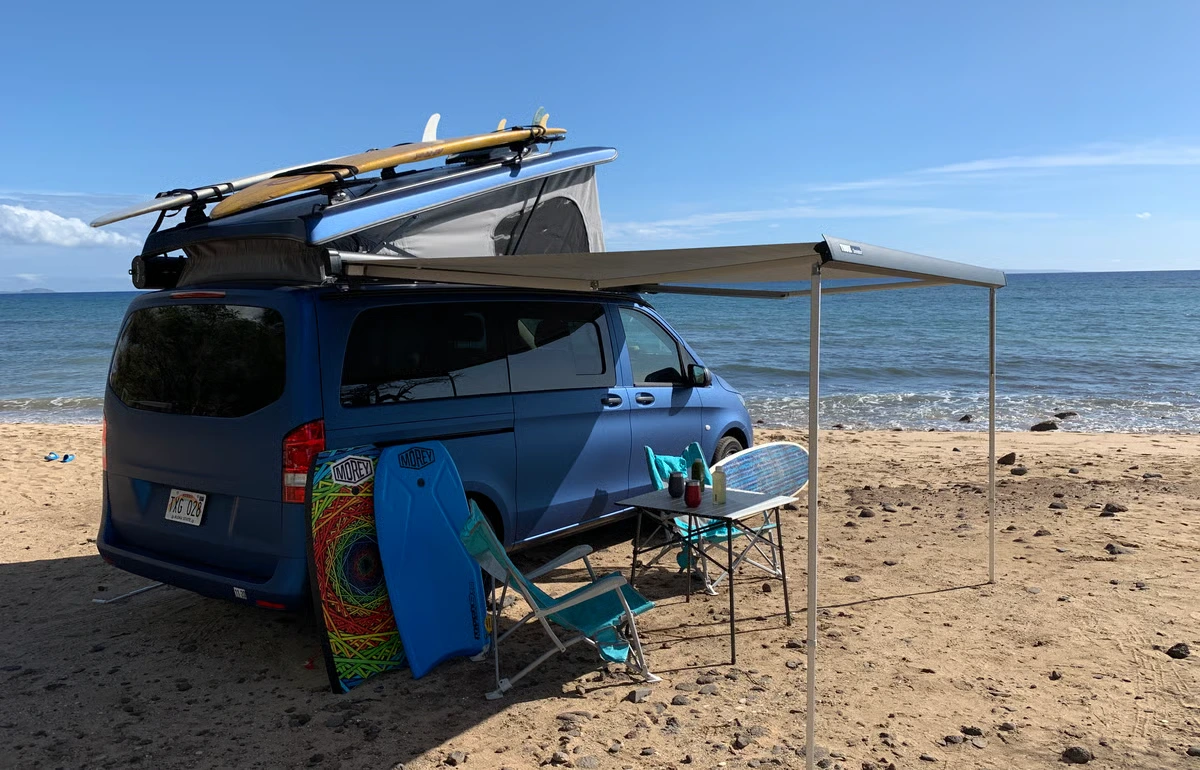
If your RV spends more time in a driveway or a storage lot than it does on the road, it’s costing you money it could be making you instead.
Lemon Drop Campers partners with RVShare to help RV owners list their rig for free, and start picking up bookings from travelers who want to hit the road.
Why List Your RV?
Free to list. RVShare doesn’t charge anything to create an account or post your rig. You only pay when you actually get a booking.
You set the terms. Your price, your calendar, your rules. Nobody assigns you a booking you don’t want.
Renters get checked. Every guest goes through background and driver’s license checks before they touch your keys.
Insurance is included during active rental periods, so you’re not exposed if something goes wrong.
It’s not a side business. You’re renting out something you already own, on your own schedule. You’re not launching a company.
Stop Paying for Storage. Let Your RV Pay You Back
If you’re one of the many Hawaii owners paying for a storage spot because there’s nowhere else to park it, think about what that lot costs you every month. Listing your RV flips that: instead of paying to store it, it earns while it sits.
What You'll Need to Get Started

Setting up a listing takes about ten minutes:
- Your RV’s VIN.
- Clear photos, inside and out.
- Basic specs: make, model, year, mileage.
- Notes on recent maintenance, upgrades, or standout features.
What You Can Realistically Earn
Earnings depend on three things: your RV’s type, its condition, and demand in your area.
Big Class A motorhomes tend to do best in long-haul, wide-road markets. Smaller rigs like camper vans, overland trucks, and compact trailers often do better in tighter urban or coastal markets, where they see stronger demand and quicker turnover.
RVShare gives you a market-specific estimate once your listing is live, so you know what to expect in your own area.
Is It Actually Worth It?
Depends on your rig and your patience for strangers using it. If it needs constant upkeep, or you’re precious about minor wear and tear, this isn’t for you. If it sits idle most of the year and you don’t mind a cleaning turnaround between renters, this is close to free money.
Frequently Asked Questions
Is it really free to list my RV?
Yes. RVShare doesn’t charge a fee to create a rental listing, run your photos, or keep your calendar live. There’s no monthly fee and no upfront cost. The only time money changes hands is when a renter actually books your rig, and that’s a commission taken from the booking, not a charge to you directly.
How does the commission work?
Commission is calculated as a percentage of the rental price and any fees charged at the time of booking, like cleaning or mileage overages, not including tax. That percentage isn’t just a cut for nothing: it’s what pays for your listing showing up on the platform, secure payment processing so renters can pay you without either of you handling cash, and RVShare’s own marketing that puts your RV in front of renters searching Google, Facebook, and elsewhere.
Does the RVShare service fee come out of my payout?
No. That fee is charged separately to the renter, on top of what they pay to book your RV. It’s how RVShare funds its own site and support without touching your side of the deal. Your payout is based on your nightly rate and commission, full stop.
Is my RV insured while it's rented out?
Yes, and you don’t pay a cent for it. Coverage runs up to $1,000,000 in liability protection, plus comprehensive and collision coverage for your RV’s value, up to $300,000. The deductible depends on your RV type: up to $4,000 for Class A motorhomes, $1,500 for everything else. That amount comes out of the renter’s security deposit (or a Security Deposit Waiver they can choose instead), not your bank account. One catch worth knowing: you need to complete the Departure and Return Forms with photos for every rental. Skip that step, or miss the 48-hour window to file a claim, and you risk being charged double the deductible out of your own payout.
When do I actually get paid?
The first business day after a reservation starts, not after it ends. So if a renter books a week-long trip, you’re getting paid on day one, not waiting until they bring the RV back.
Do I have to accept every booking request?
No. Every booking request comes to you first, and you decide whether to accept, decline, or ask questions before saying yes. You also set your own nightly rate and cancellation policy from the start. If you’d rather skip the back-and-forth entirely, RVShare offers an optional Instant Book feature that lets qualified renters book automatically, but it’s a switch you flip on, not something forced on your listing.
What if a renter gets a ticket or has to pay a toll during the rental?
Not your problem, and not your bill. When a renter books, they sign a rental agreement that puts them on the hook for any traffic violations or tolls racked up during the trip. That’s between them and the DMV, not between you and them.
Do I have to handle sales tax myself?
In most states, no. RVShare automatically calculates, collects, and pays the required sales tax on the renter’s charge, so it’s already handled by the time your payout hits your account. A handful of states don’t work that way, and in those, you’ll set your own tax rate and handle it yourself. Either way, if your RVShare earnings cross $20,000 and you complete more than 200 bookings in a calendar year, expect a 1099 at tax time.