Introduction
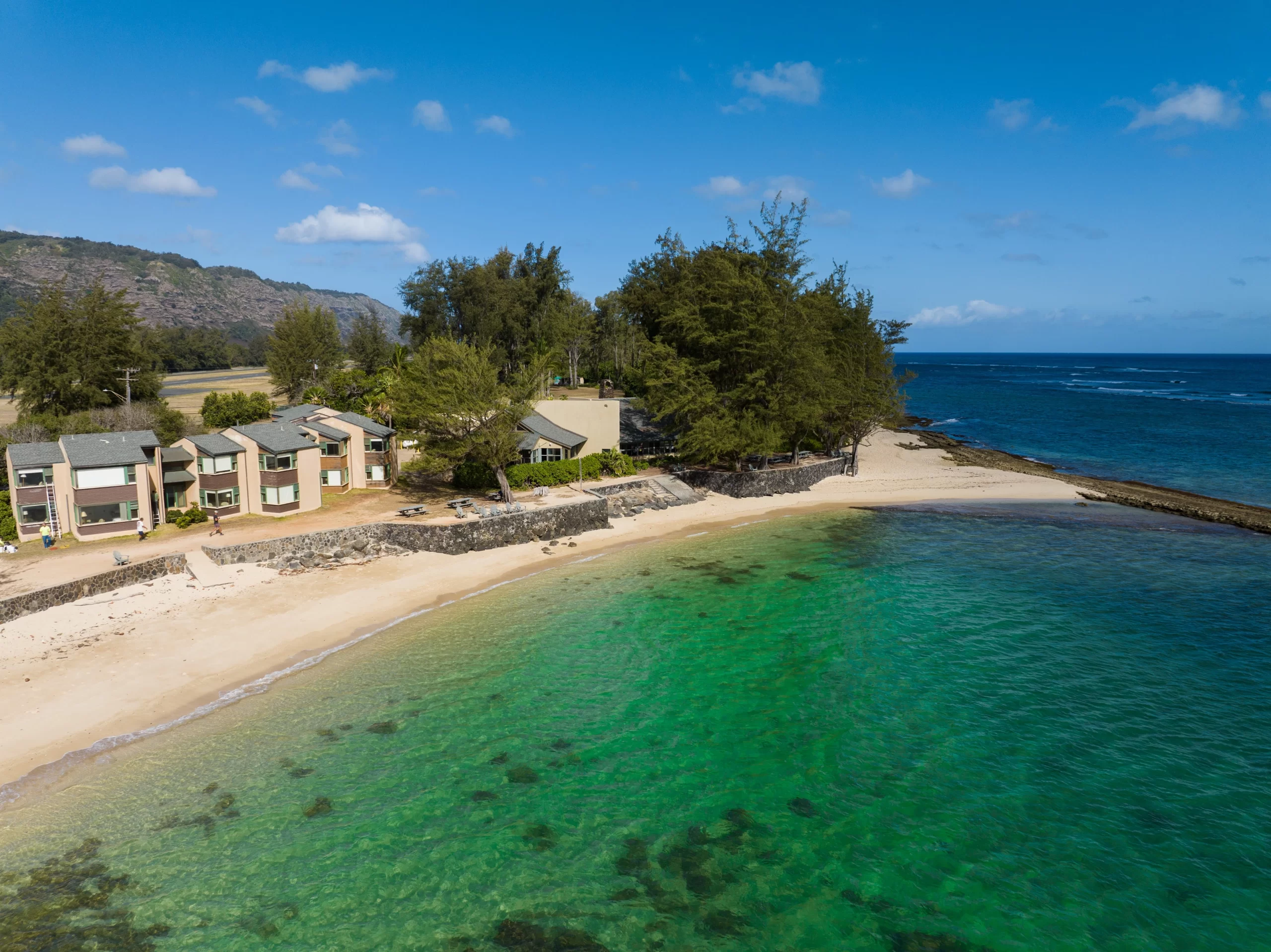
Camp Mokulēʻia captured my heart the first time I pulled up to its entrance. The drive along Farrington Highway felt like I was leaving the world behind, and when I finally reached the camp, I knew I’d found something special. The sound of waves crashing against the shore mixed with the rustle of ironwood trees, and I could see the Waianae Mountains rising up in the distance. This wasn’t just another beach campground. This was a place where you could actually breathe.
We keep this guide updated with fresh details and booking links. As of November 2025, this is the latest info on Camp Mokulēʻia.
History of Camp Mokulēʻia
Camp Mokulēʻia has a story that goes back nearly 80 years. The Episcopal Church of Hawaii purchased this beautiful piece of land from the McInerny family in 1947. What started as a small 2.5-acre site with 1920s buildings has grown into a 40-acre retreat center. The camp hired its first year-round director in 1969, and major expansions came in the late 1980s with a new dining hall and lodge. Today, two of the original 1920s structures still stand as quiet reminders of the camp’s early days.
What I love most about this place is that while it’s run by the Episcopal Diocese of Hawaii, it welcomes everyone. You don’t have to be religious to stay here. Over the decades, generations of island families have made camping at Mokulēʻia a tradition, and visitors from the mainland and around the world have discovered its magic too.
Camp Mokulēʻia Amenities
Facilities:
When I first explored the camp, I was impressed by how well they’ve balanced rustic charm with practical comfort. The facilities here are simple but clean, which is exactly what you want when you’re camping.
The campground offers several types of accommodations. You can pitch your own tent in designated spots that range from secluded wooded areas to wide-open spaces right by the beach. I’ve camped in both, and honestly, waking up to sunrise over the ocean from a beachfront site is something you won’t forget.
They also have tentalos, which are these really cool permanent wood and fabric tents built on raised platforms. Each one sleeps up to four people comfortably and sits close to the beach. The ventilation is excellent, so even on warm nights, you’ll feel the ocean breeze flowing through. Each tentalo comes with its own private fire pit and picnic table right there by the shore. Just remember to bring your own cot or air mattress because they don’t provide sleeping pads.
For larger groups, there are cabins with separate dorm-style sleeping rooms (one for women, one for men, and a co-ed room) plus a main room with two bunk beds. The camp also has lodge rooms with twin beds and ocean views. The windows open wide, letting in fresh sea air, and falling asleep to the sound of waves felt more relaxing than any streaming service.
The bathrooms and showers are located at each campsite in yurt structures. You’ll find flushing toilets, cold water sinks, and there’s even a hot water shower house available. The facilities were basic but very clean when I visited, which several other campers have also mentioned in their reviews.
The camp has a dining hall where organized groups can have meals prepared, and there’s a recreation area with picnic tables scattered throughout the property. You’ll also find a high ropes challenge course, equipment for water sports like paddle boarding and kayaking, and plenty of shaded areas under ironwood trees where you can escape the midday sun.
One of my favorite features is the extensive beach access. The camp sits on a pristine section of the North Shore with great swimming areas (when conditions are calm), snorkeling spots along the reef, and enough space that you never feel crowded. If you’re lucky enough to spot marine life, remember to maintain the recommended viewing distance of at least 50 feet for monk seals and 10 feet for sea turtles.
Important Notes:
- Remote location: Nearest gas and supplies are in Waialua/Haleiwa, about 10-20 minutes away. Stock up before you arrive.
- Locked gate system: Camp provides gate codes at check-in. Plan arrivals and departures around gate hours.
- No AC or TVs: Most accommodations have overhead fans only. Come prepared to unplug.
- Sun exposure: This area is hot and sunny with minimal beach shade. Bring sun protection, hats, and plenty of water.
- Aircraft noise: Dillingham Airfield sits across the street. You may hear occasional plane activity from skydiving operations.
How to Get to Camp Mokulēʻia
Location:
68-729 Farrington Highway, Waialua, HI 96791
Directions:
From Honolulu or Waikiki, the drive takes about 50 minutes with normal traffic. Take H-2 North toward Wahiawa, then follow Kaukonahua Road (Route 803) to Farrington Highway (Route 930). Continue past the town of Waialua, and keep going until you reach Camp Mokulēʻia. The camp sits on your right side, across from Dillingham Airfield.
If you’re coming from the airport (Daniel K. Inouye International), expect a similar drive time.
High traffic hours going to the North Shore typically hit during late morning and early afternoon, particularly on weekends when locals and tourists alike head up to enjoy the beaches. Coming back to Honolulu in the evening can also see some congestion.
Parking:
Once you arrive, parking is available on the camp property. The locked gate system I mentioned earlier means your vehicle stays more secure than at some public beach parking lots. Just make sure you don’t leave any valuables visible in your car. Even though it’s relatively safe here, remote parking areas anywhere on Oahu can attract opportunistic thieves.
Best Time to Visit Camp Mokulēʻia
Summer months from May through September offer the best overall experience at Camp Mokulēʻia. Ocean conditions stay calmer during this time, making swimming and water activities safe and enjoyable. The weather is sunny and warm with less rain than winter. Fall (October-November) also works well with fewer crowds and decent swimming conditions. Winter (December-March) brings massive North Shore surf that’s too dangerous for swimming, but you can watch the spectacular waves and spot humpback whales offshore. Spring (April-May) is a transition period as swells die down and conditions improve.
This is one of the driest parts of Oahu, so expect hot, sunny conditions year-round. Always pack sun protection and check surf reports before entering the water. I personally love visiting in June or early September for calm ocean conditions and smaller crowds.
Camp Mokulēʻia Fees and Reservations
I always book my permit through the Camp Mokulēʻia reservation system.
Camping:
The camp uses an online registration system for campground reservations, including tent sites and tentalos. Here are the 2025 rates based on the official rate sheet:
2025 Rates:
- Tentalos: $100 per tentalo (maximum 4 people)
- Lodge Rooms: $100 single occupancy / $160 double occupancy (rates vary by room type)
- Cabins: $30 per person (minimum group sizes apply)
- Campsites: $20 per person (varies by site size)
Meals and Programming: If you want meals included, they’re available as add-ons. Breakfast runs around $14 per person and dinner approximately $17 per person. The camp also offers special event packages that bundle lodging, meals, and activities together.
The camp can accommodate groups from just two people up to 100 or more. They have multiple designated campsites throughout the campground, and numerous tent sites in various locations. Each site typically comes with a picnic table, and many have fire pits.
For complete details and current pricing, check the official Camp Mokulēʻia Reservations page where you can access their 2025 Rate Sheet PDF.
Camping Rules:
Camp Mokulēʻia operates as a managed retreat center, so they have some specific guidelines to keep things running smoothly. Here’s what you need to know:
- Check-in times matter. When you make your reservation, pay attention to when you can arrive and when you need to vacate. For most campground stays, you’ll have specific check-in and check-out windows.
- The gates lock at night. This security measure protects campers and their vehicles, but it also means you need to plan your comings and goings around the gate schedule. Staff will provide you with arrival instructions and gate codes when you book.
- Quiet hours are enforced. Remember that this camp hosts everyone from families with young children to church retreat groups. Respecting quiet hours keeps everyone happy.
- Fires are only allowed in designated fire pits. You’ll find these at the tentalos and some campsites. Don’t start fires anywhere else on the property.
- Alcohol policies apply. Check with the camp when you book about their current rules regarding alcohol consumption. Some areas and programs prohibit it entirely.
- Ocean safety is your responsibility. The camp does not have lifeguards on duty, so you need to assess conditions yourself and swim at your own risk. When conditions are rough, especially in winter, stay out of the water. Always check surf reports and heed posted warnings. The currents and shore break can be deadly.
- Keep the beach and campsites clean. Pack out everything you pack in. The camp provides trash receptacles, but the expectation is that you’ll leave your site better than you found it.
- Dogs and pets have restrictions. While you might see service animals, typical pets aren’t allowed in most areas of the camp to protect the natural habitat and keep things peaceful for all guests.
- The camp is open to everyone, regardless of religious background. While it’s run by the Episcopal Diocese, they explicitly welcome people of all faiths or no faith. The environment respects everyone’s beliefs.
Things to do Nearby Camp Mokulēʻia
One of the best parts about camping at Mokulēʻia is the incredible adventures waiting just minutes away. Here are the top nearby attractions:
Ka’ena Point State Park. This spectacular 2.5-mile coastal hike follows an old railroad bed to Oahu’s westernmost point. You’ll see native seabirds, possible monk seals (keep 50+ feet away), and whales in winter at this sacred Hawaiian site. Ka’ena Point – Hawaii DLNR and NOAA Monk Seal Guidelines.
Haleiwa Town. This historic surf town 15 minutes away has excellent restaurants, shave ice, food trucks, and local shops. Stop at Giovanni’s Shrimp Truck and browse the Waialua Sugar Mill for coffee and Hawaiian gifts.
Hawaii Polo Club. Less than a mile from camp, catch Sunday polo matches during season with North Shore mountains as your backdrop. Trail rides are sometimes available through Hawaii Polo Trail Rides. Hawaii Polo Club.
Dillingham Airfield. Right across the street, multiple companies offer skydiving, glider rides, and hang gliding. The views of the North Shore coastline from above are absolutely unreal. Pacific Skydiving Center.
Mokule’ia Beach Park. This 38.5-acre park nearby offers large grassy areas, picnic tables, and restrooms. When conditions are right, it’s popular for kiteboarding, surfing, snorkeling, and tide pool exploring.
North Shore Beaches. Waimea Bay, Sunset Beach, Pipeline, and Sharks Cove are 20-30 minutes away. These world-famous surf spots in winter become calm swimming and snorkeling paradises in summer.
Waimea Valley. About 9 miles from camp, this botanical garden features 5,000 plant species, a swimmable waterfall, and Hawaiian cultural demonstrations. It’s perfect for rainy days or an afternoon break from the beach.
Mokule’ia Climbing Wall. This world-renowned climbing spot has over 60 routes from beginner to expert. Bring your gear if you’re into climbing.
Waialua Town. Small and local, the Old Waialua Sugar Mill now houses shops and a coffee roasting operation. It has a quieter feel than touristy Haleiwa.
Food Trucks. Shrimp trucks, poke bowls, acai bowls, and plate lunches dot Farrington Highway. Eating from these roadside stands is part of the authentic North Shore experience.
The variety of activities means you can fill a week-long camping trip without ever getting bored. Mix beach days with hiking, town explorations, and maybe one adrenaline-pumping activity for the perfect North Shore vacation rhythm.
Is Camp Mokulēʻia Camper Van or Roof Top Tent friendly?
Yes, Camp Mokulēʻia welcomes camper vans and vehicles with roof top tents. The campsites can accommodate vehicles, and several campground areas have enough space for van camping. I’ve seen VW vans, Sprinter vans, and pickup trucks with roof top tents parked throughout the campground during my visits.
The ground at most sites is relatively level, which works well for vehicle camping. You’ll have access to the same facilities as tent campers, including the bathroom and shower structures. Some campsites are more vehicle-friendly than others, so when you book, mention that you’ll be in a camper van or have a roof top tent. The staff can assign you to an appropriate site.
The locked gate system actually works in your favor if you’re living out of a vehicle during your Oahu trip. Your camper van will be more secure inside the gated property than at many public beach parking lots around the island.
One thing to note: while the camp is vehicle-accessible, you won’t be able to drive right onto the beach. The beachfront camping areas are walk-in sites, so if you specifically want to camp steps from the water, you’ll need to pitch a regular tent in those areas and park your vehicle in the designated parking area.
Pro tip: If you’re renting a campervan for your trip around Oahu, book early. You can save 10% when you rent with us through Outdoorsy using the code 7F97KR8Y at checkout.
Camp Mokulēʻia Alternatives
If Camp Mokulēʻia is full or you’d like to explore other camping spots on Oahu’s North Shore, here are some solid alternatives:
- Malaekahana Beach Campground. Northeastern shore location with tent sites, cabins, and stunning beach (check Hawaii DLNR for current status as renovations occur periodically).
- Kaiaka Bay Beach Park. County campground in Haleiwa with 7 campsites and beautiful views (book through county system well in advance).
- Maleka Farm. Private farm camping in Laie with tent sites ($50+), glamping ($150+), and fresh produce available.
- Kualoa Regional Park. Windward side camping with stunning views of Chinaman’s Hat and Ko’olau Mountains.
- Bellows Air Force Station. Military facility on Waimanalo Beach that opens to public on weekends (gorgeous beach, well-maintained facilities).
For all county and state campgrounds, book through camping.ehawaii.gov 30 days in advance as popular spots fill quickly.
Conclusion
Camp Mokulēʻia holds a special place in my heart and in the hearts of generations of Hawaii families. There’s something about this place that strips away the noise of everyday life and lets you reconnect with what matters. The camp successfully balances accessibility with remoteness. You’re close enough to Haleiwa for supplies but far enough from crowds to actually relax. The facilities work well without being fancy, and the atmosphere welcomes everyone without losing its character.
Learn more and book permits at the official Camp Mokulēʻia page. Book early, pack your sunscreen and sense of adventure, and prepare to fall in love with one of Oahu’s most special places.
Pro-tip: Don’t visit Camp Mokulēʻia or anywhere around Oahu without renting a campervan far in advance, and when you rent with Lemon Drop Campers you can get 10% off your rental by using the code 7F97KR8Y at checkout or click our Outdoorsy link.