Introduction
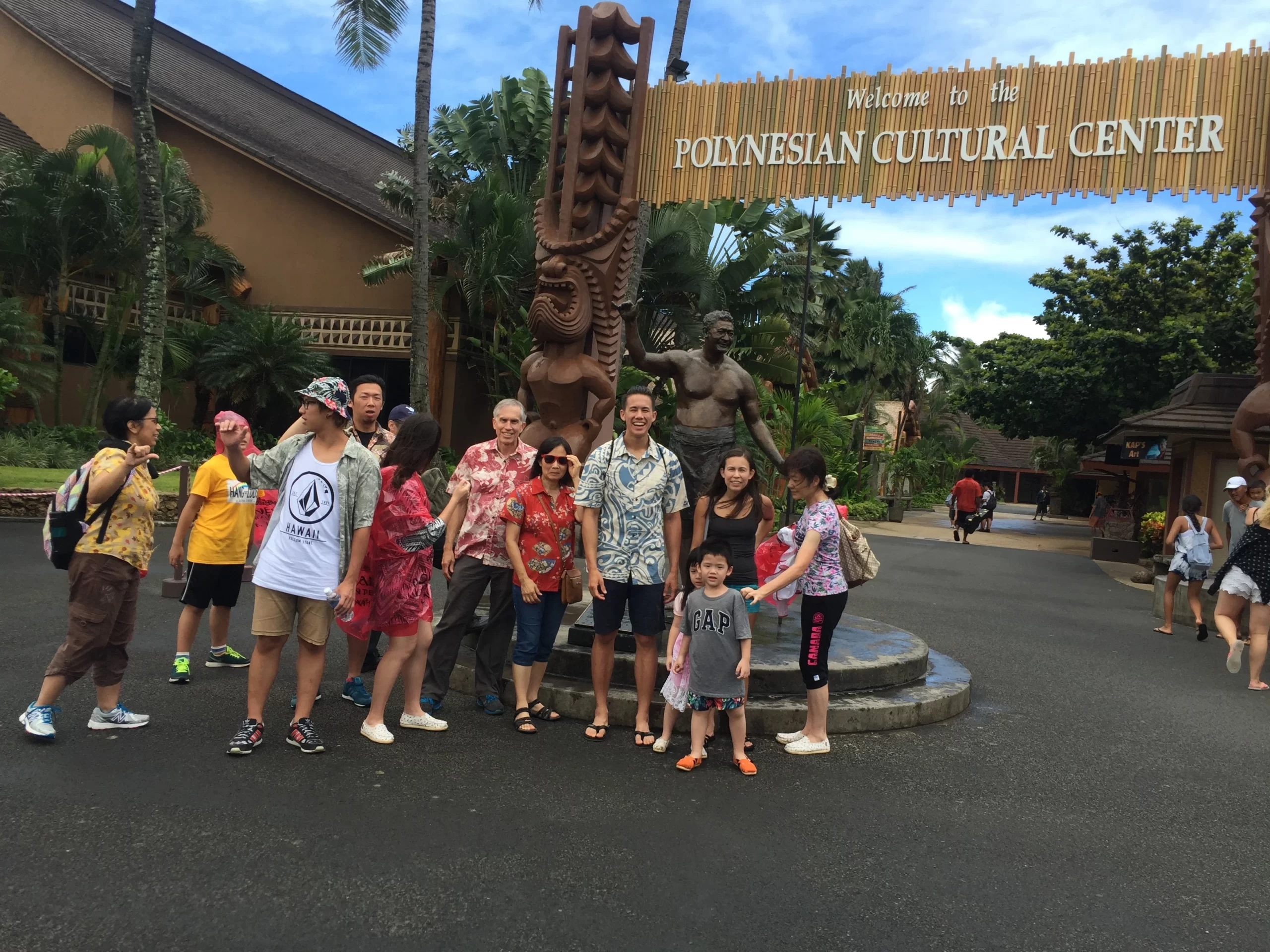
When I first heard about the Polynesian Cultural Center (PCC) in Oahu, I thought it was just a luau spot with dancers and food. But when I finally went there, it turned out to be one of the most beautiful and heartwarming experiences I’ve had in Hawaii. It is a deeply immersive dive into Polynesian culture.
It’s not just a place to watch performances — it’s a place to feel the islands, meet their people, and learn their stories.
What is Polynesian Cultural Center?
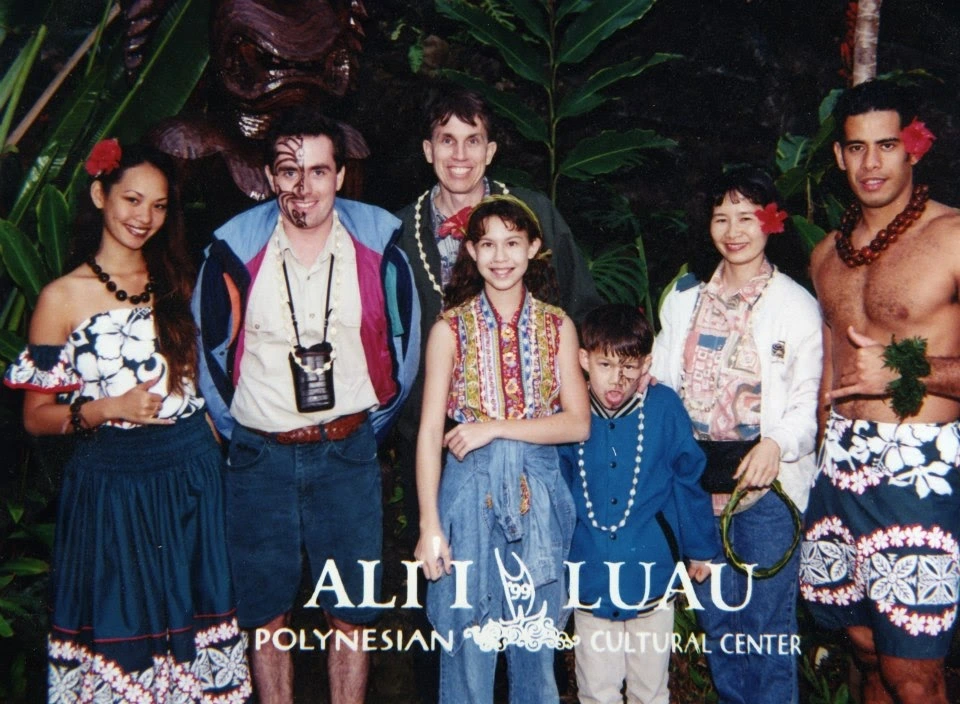
The Polynesian Cultural Center is a living museum and cultural park that celebrates the beauty and traditions of the Polynesian islands — Hawaii, Samoa, Tonga, Fiji, Tahiti, and Aotearoa. It opened in 1963 to help preserve island cultures while giving students from Brigham Young University – Hawaii a chance to work and support their studies.
What makes it special is that the people who perform and share their stories come from these islands themselves. They’re not actors; they’re locals proud to share their heritage. The cultural center’s goal is to keep Polynesian traditions alive while teaching visitors what life is truly like across the Pacific.
Every song, dance, and craft here tells a story of family, courage, and deep connection to the land and ocean.
Note: You can save 10% on select packages if you book at least 10 days before your visit.
How to Get to Polynesian Cultural Center?
The center sits in Lā‘ie, a peaceful town on Oahu’s North Shore. It’s about an hour and a half drive from Waikīkī.
If you’re driving, the route is beautiful. I passed green mountains, long beaches, and local fruit stands along the way. The scenic drive made the trip part of the adventure.
You can also:
 Join a guided tour bus from Waikīkī, which includes transportation and tickets.
Take The Bus (Route 55 or 56) if you want to travel cheaper, but it takes about 2.5 hours.
Drive a rental car for more flexibility since parking at PCC is free and easy to find. You can also check Oahu Outdoorsy RV / Campervan Rentals if you want more options like campervans or family-friendly vehicles for your trip around the island.
I suggest leaving early so you can enjoy the ride and explore the villages before lunch.
What to Expect in Polynesian Cultural Center?
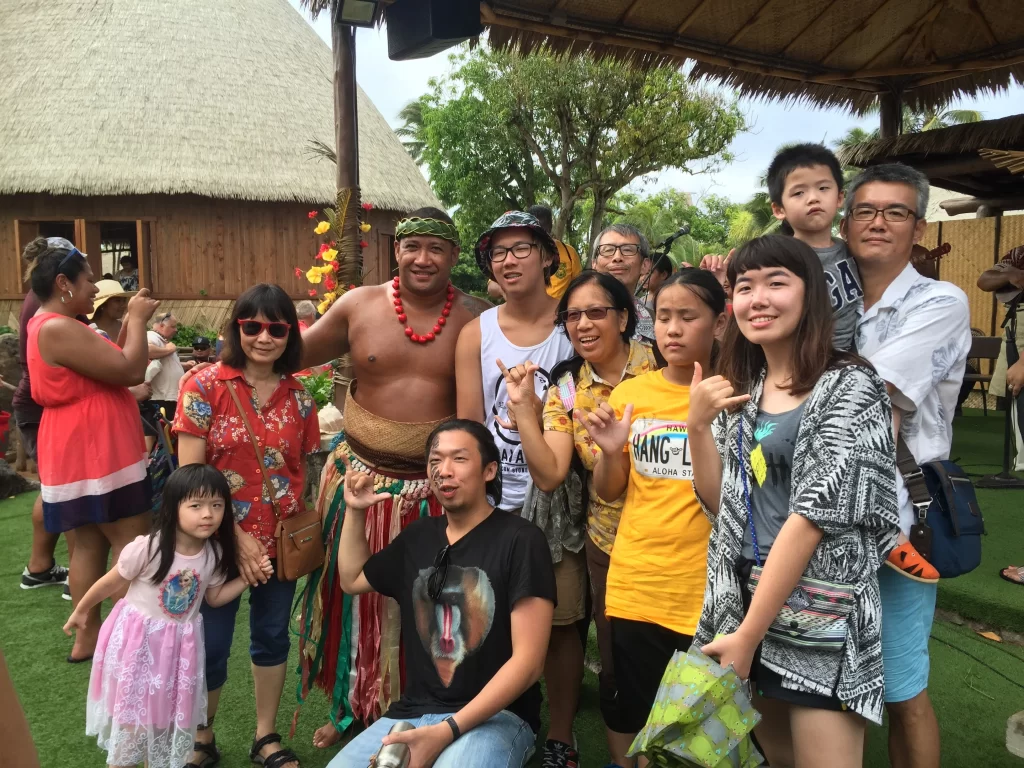
When you walk into the center, you’ll instantly feel the energy. Friendly staff welcome you with smiles and leis. The sound of drums echoes from afar, and you can already hear people laughing.
The center opens around 12:30 pm, and the island villages close at 5:30 pm, just before the luau and evening show. You can spend the whole afternoon walking through the villages, trying local food, watching cultural performances, and talking to the locals.
There’s a calm lagoon that runs through the middle of the park, with bridges and canoes passing by. It’s peaceful, colorful, and full of life.
What to Explore in Polynesian Cultural Center?
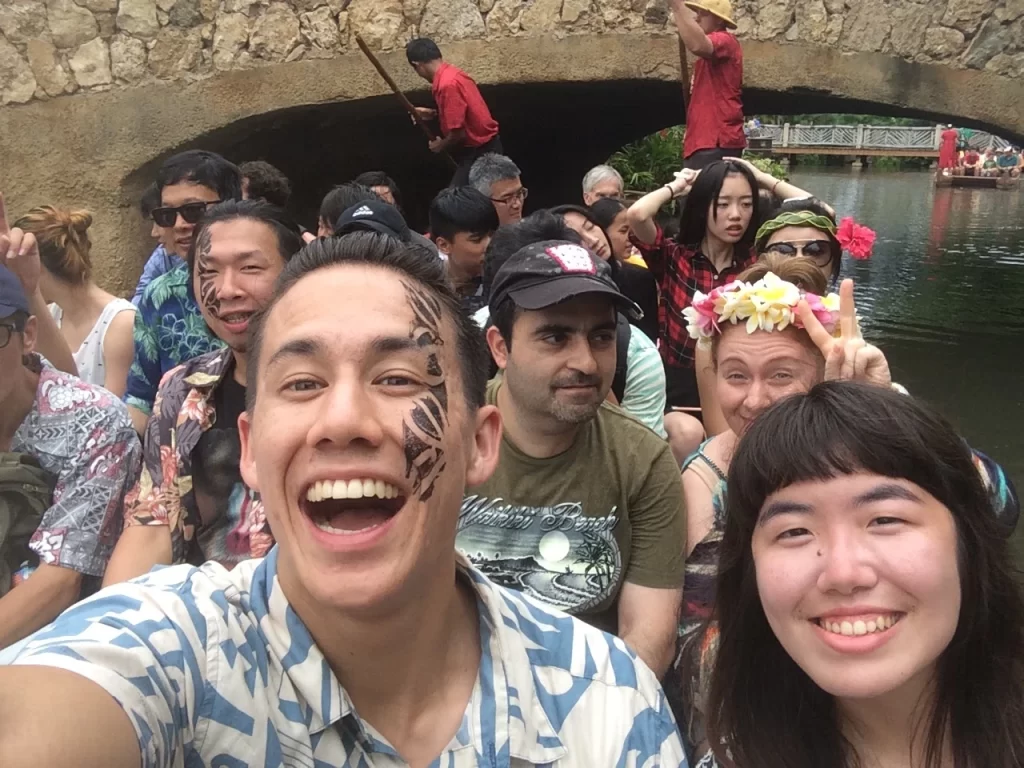
The Polynesian Cultural Center has six main villages, each representing a different island: Hawaii, Samoa, Tonga, Fiji, Tahiti, and Aotearoa. Each one has its own charm, music, and story. You can walk between them or ride an outrigger canoe through the lagoon. Every stop gives you a new taste of Polynesia — literally and culturally.
Aotearoa Village
This village felt powerful. The Māori hosts talked about their tattoos, carvings, and traditions. Then they performed the haka, a fierce war dance. The intensity gave me goosebumps. You can feel their pride and strength in every move.
Hawaii Village
This was my first stop. Locals showed me how to dance the hula and pound taro into poi. I also learned how Hawaiians lived off the land and respected nature. Soft ukulele music played in the background, and everything felt peaceful.
Samoa Village
Samoa was full of laughter and energy! The host was funny and engaging. He showed how to make fire with sticks, open coconuts, and climb tall trees barefoot. Everyone in the crowd cheered. It was wild, funny, and unforgettable.
Tonga Village
This was one of the most entertaining villages. The performers played giant drums and pulled people from the crowd — including me! My arms got tired, but it was so much fun. Everyone was laughing together like old friends.
Fiji Village
Fiji felt warm and welcoming. The men danced with strong movements while women sang in harmony. They also showed how to make kava, a traditional drink. It’s earthy in flavor, but it’s part of their ceremonies and connection to community.
Tahiti Village
This is where things heat up! The dancers moved fast to the beat of drums, their skirts swaying like flames. I joined a quick dance lesson and realized how much skill and rhythm it takes. It was exciting and full of joy.
The Afternoon Canoe Pageant
Around 2:30 pm, everyone gathers by the lagoon for the Canoe Pageant. Colorful canoes float by, each one filled with dancers from different islands. They sing, wave, and dance as the drums echo through the air. It’s one of those moments where you just stop and smile, the kind that makes you forget your phone for a while.
Checklist Before You Go To Polynesian Cultural Center
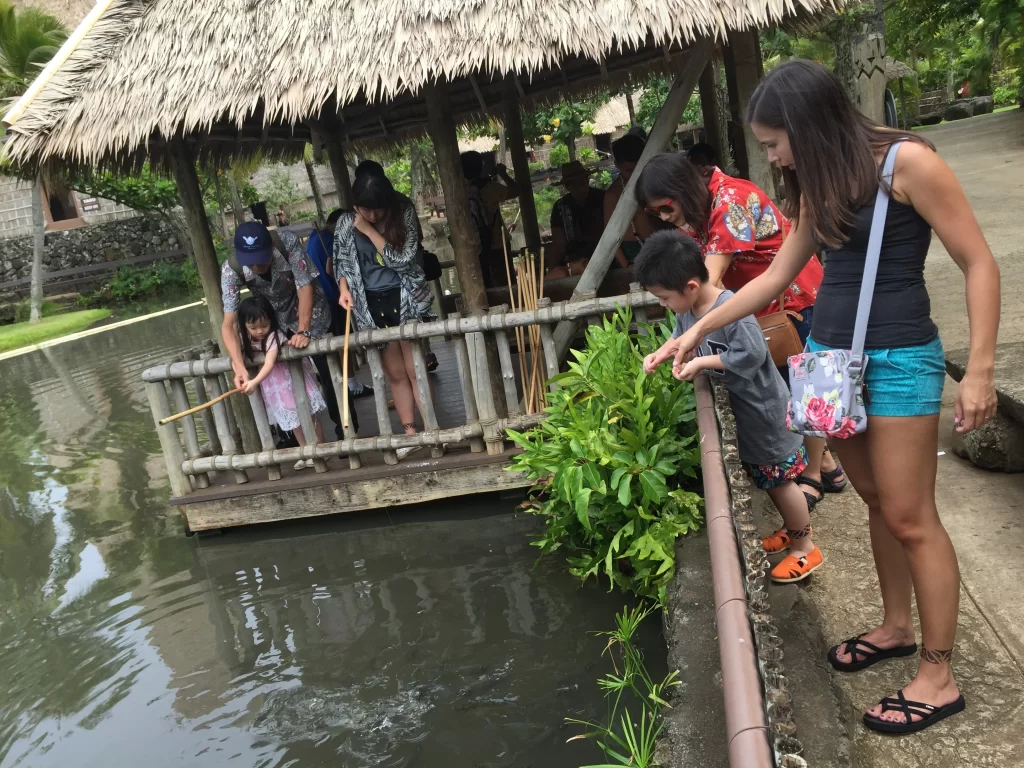
Before your visit, plan a few small things to make your day easier:
Bring cash: Great for quick snacks, handmade crafts, or souvenirs along the way.
Book early: Tickets for the luau and night show sell out fast.
Dress comfortably: Wear comfortable shoes since you’ll walk a lot, and bring a hat, water, and sunscreen to stay cool under the sun.
Arrive early: It’s best to arrive before noon so you can catch the early cultural shows and enjoy more time in each village.
Unplug slightly: Don’t forget your camera for photos, but also take moments to just enjoy the place without looking through your screen.
Pro tip: It’s also convenient to rent a campervan since parking at PCC is free, and it gives you more freedom to explore the North Shore after your visit.
Dinner at the Aliʻi Lūʻau
When evening came, I headed to the Aliʻi Lūʻau. Long tables sat under soft lights and palm trees. The smell of authentic island cooking filled the air.
If you’ve never been to a traditional luau, you are in for a treat. The buffet features classic Hawaiian staples like slow-roasted kalua pork cooked in an imu (underground oven), fresh lomi lomi salmon, island-caught fish, poi (mashed taro root), and sweet haupia (coconut pudding) for dessert.
As we ate, the performers shared stories about Hawaiian royalty through dance and music. The setting felt intimate and magical. It wasn’t just dinner — it was storytelling through food and song.
The Night Show: HĀ – Breath of Life
After dinner, I watched the Hā breath of life show, the center’s famous, award-winning night performance. It tells the story of a boy growing up, facing challenges, and finding love — all through music, dance, and fire.
Over a hundred performers filled the stage. The fire-knife dancers lit up the night, proving exactly why this breath of life story resonates so deeply with audiences. The narrative touched on family, courage, and life’s journey.
It was breathtaking. When the final song played, I felt chills. It’s a show that stays with you long after it ends.
Polynesian Cultural Center Ticket Info and Tips
Before you go, it helps to know what kind of ticket fits your plans. The cultural center has several packages depending on how much time you have and what kind of experience you want.
It is costs $94.95 for adults and $75.96 for a child aged 4 to 11.
If you just want to walk around and explore, this one is perfect. You’ll get access to all six island villages. This ticket doesn’t include dinner or the evening show.
2. Islands of Polynesia + HĀ: Breath of Life
It is costs $123.95 for adults and $98.96 for a child aged 4 to 11.
This adds the evening show to your day visit. You’ll still explore the villages on your own, but you’ll also get Bronze-level seating for the show. Dinner is not included.
3. Lūʻau & HĀ: Breath of Life Show
It is costs $138.95 for adults and $110.96 for a child aged 4 to 11.
Enjoy our award winning Aliʻi Lūʻau buffet with live entertainment and have a Gold level seating at “HĀ: Breath of Life” show!
It is costs $157.95 for adults and $126.96 for a child aged 4 to 11.
This option includes everything from the villages to a dinner buffet at the Gateway Restaurant with live music, plus Silver-level seats for the evening show. It’s a nice balance of food, fun, and culture.
It is costs $197.95 for adults and $157.96 for a child aged 4 to 11.
This one is very popular. It comes with a guided tour of the villages, the Aliʻi Lūʻau buffet dinner, and Gold-level seats for the evening show.
6. Super Ambassador Lūʻau Package
It is costs $293.95 for adults and $234.96 for a child aged 4 to 11.
This is the premium experience. You’ll have a private guided tour, front-row seats for the show, a lei greeting, a canoe ride, and a free smoothie. It also includes a 3-day re-entry pass.
Notes:
- You can save 10% on select packages if you book at least 10 days before your visit.
- The center is open from 12:30 pm to 9:00 pm and closed on Wednesdays and Sundays.
- You can book online through the official Polynesian Cultural Center website to get updated prices and discounts.
Frequently Asked Questions
How much time do you need at the Polynesian Cultural Center?
Is the Polynesian Cultural Center luau worth it?
What is the dress code?
Conclusion
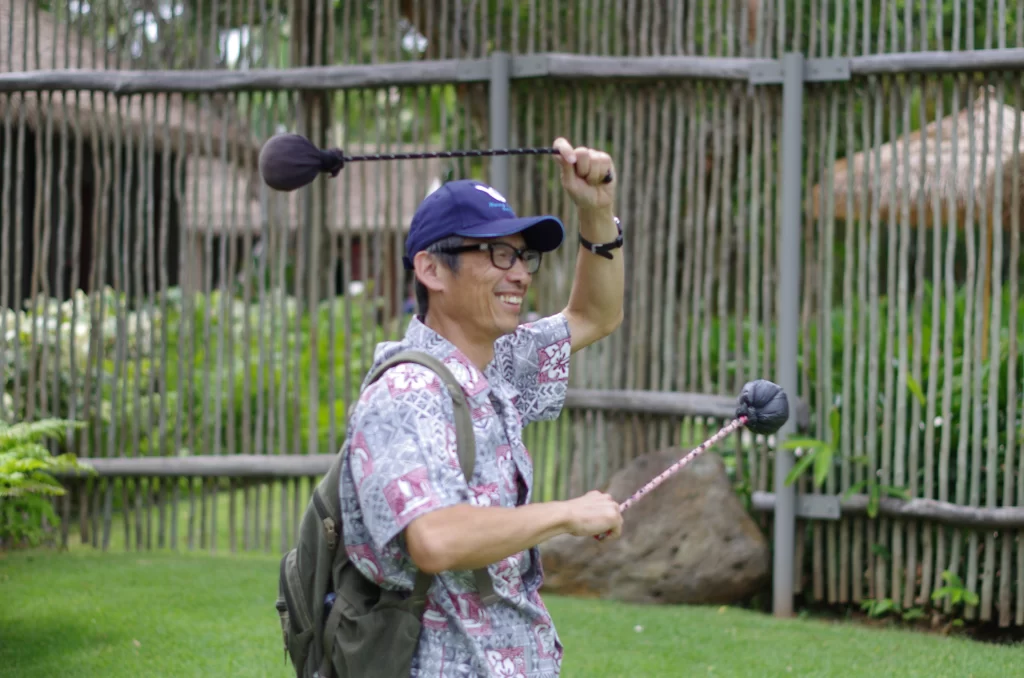
The Polynesian Cultural Center is more than a tourist attraction — it’s a celebration of culture, family, and life. Every person you meet here has a story. Every performance comes from the heart.
I left with a full stomach, a happy heart, and deep respect for the Polynesian people. If you ever visit Oahu, don’t skip this place. Spend the day, join the luau, and let the islands share their spirit with you.
Pro-tip: Don’t visit Polynesian Cultural Center or anywhere around Oahu without renting a campervan far in advance, and when you rent with Lemon Drop Campers you can get 10% off your rental by using the code LMONDROP10 at checkout or click our Outdoorsy link.